2026 Best Die Cast Car Parts for Global Buyers?
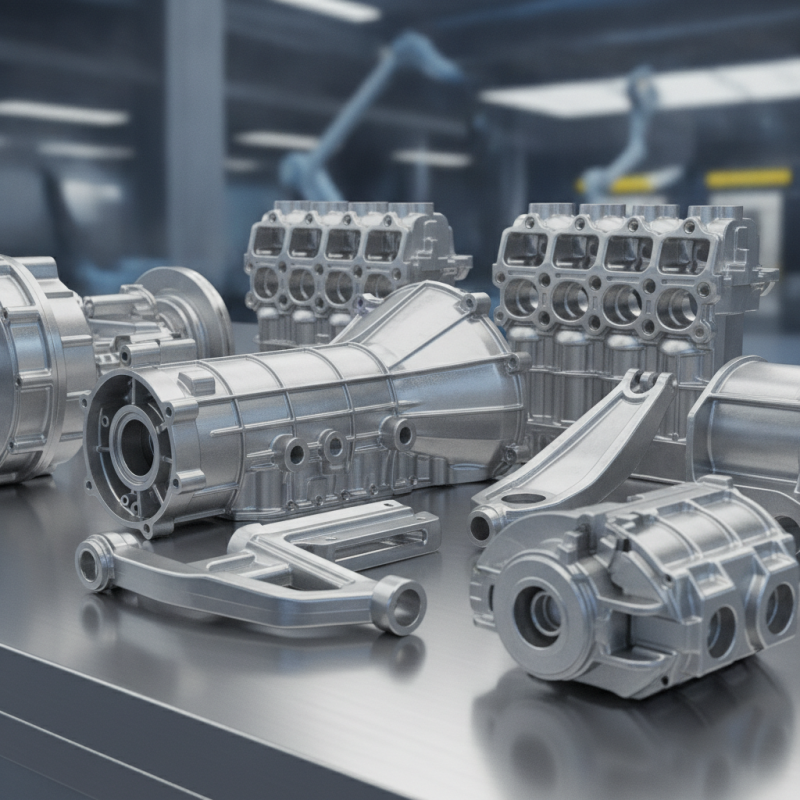
In the world of automotive parts, die cast car parts play a crucial role. As global buyers seek the best options for their needs, 2026 presents unique opportunities and challenges in this market. These components are known for their durability and precision, making them essential for high-quality vehicles.
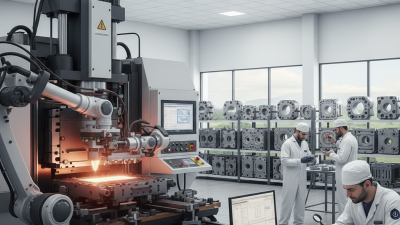
The die casting process involves melting metal and pouring it into molds. This method ensures that parts are lightweight yet robust. Buyers should consider various factors when choosing suppliers. Quality, cost-effectiveness, and the ability to meet specific demands are key.
However, not all manufacturers deliver the same standard of excellence. Some die cast car parts may not meet expectations due to poor quality control. It’s important for buyers to conduct thorough research and choose reputable suppliers. Engaging with experts can also provide insights into the best products available in the market.
Overview of Die Cast Car Parts and Their Market Significance
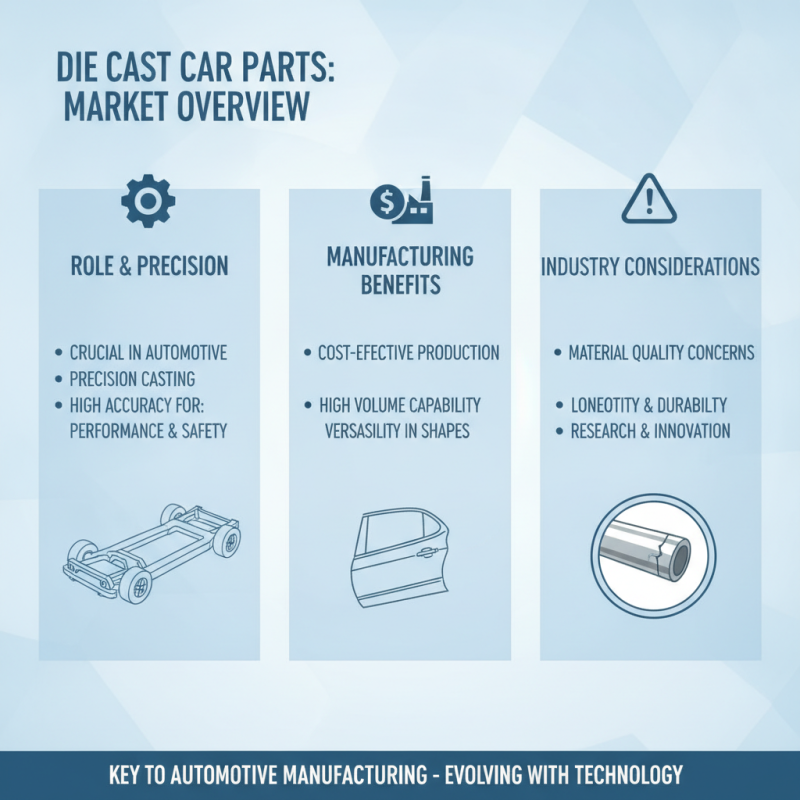
Die cast car parts play a crucial role in the automotive industry. These parts are made using a precision casting process that delivers high accuracy. This is important for maintaining vehicle performance and safety. Many manufacturers opt for die casting due to its cost-effectiveness. However, some concerns exist regarding material quality and longevity.
The market for die cast car parts has grown significantly. Buyers seek reliable options that meet stringent industry standards. Global buyers are particularly interested in sourcing durable components. The challenge lies in balancing quality with price. Some companies focus on eco-friendly materials, but the costs can rise.
While the die casting process is efficient, it has its drawbacks. There may be defects due to rapid production. Scraps and waste can also pose issues for sustainability. As the market evolves, companies must address these imperfections. Transparency in manufacturing processes is vital for building trust with buyers.
Key Factors Influencing the Selection of Die Cast Car Parts
When selecting die cast car parts, several key factors come into play. First, material quality is crucial. High-quality metals provide durability and resistance to wear. Buyers often overlook the impact of this choice. Poor materials can lead to frequent replacements and higher long-term costs.
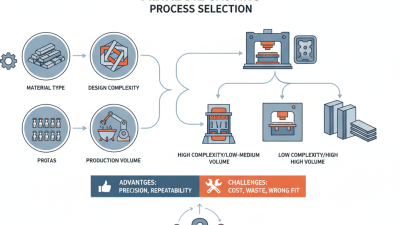
Another important factor is the manufacturing process. Different techniques can affect precision and strength. For instance, gravity die casting vs. pressure die casting produces varying results. Buyers should consider what method meets their needs best. While one approach may be cheaper, it might compromise quality.
Lastly, compatibility with existing parts is vital. Buyers must ensure that new components fit seamlessly with their vehicles. Lack of compatibility can lead to performance issues. It’s essential to perform adequate research before purchasing. Ultimately, informed choices can save both time and money in the long run.
2026 Best Die Cast Car Parts Selection
Top Die Cast Car Parts Manufacturers and Their Offerings
The die-cast automotive parts market is evolving rapidly. According to a recent industry report, the global die-cast car parts market is projected to reach $16 billion by 2026. This growth is driven by increasing demand for lightweight materials and high-performance components. Major manufacturers are focusing on innovative technologies to enhance their production processes.
Companies specializing in die-cast parts offer a variety of options, from engine components to structural parts. These products are often made from aluminum and zinc alloys. These materials provide durability and precision, two factors vital in automotive applications. However, quality control remains a challenge. Flaws in casting can lead to significant issues down the line. Manufacturers must ensure strict adherence to quality standards.
In 2022, the efficiency of die-casting technology improved by 15% due to advancements in automation. This shift allows for faster production times and reduced waste. Yet, some manufacturers struggle to keep pace with these advancements. Incorporating advanced technology requires substantial investment, which may not be feasible for all. The need for continuous improvement in both product quality and manufacturing techniques is clear.
Trends in Die Casting Technology for Automotive Applications
Die casting technology is rapidly evolving, especially in the automotive sector. The global die casting market is projected to reach $21.31 billion by 2026, according to industry reports. This growth reflects the increasing demand for lightweight and durable components in vehicles. With rising raw material costs and environmental concerns, manufacturers are focusing on efficiency and sustainability.
One emerging trend is the use of aluminum and magnesium alloys. These materials offer excellent strength-to-weight ratios, enhancing vehicle performance. Reports indicate that aluminum die cast parts can reduce vehicle weight by 10-50%. Furthermore, the introduction of 3D printing in producing die casting molds is reshaping the industry. This technology shortens manufacturing times and reduces waste.
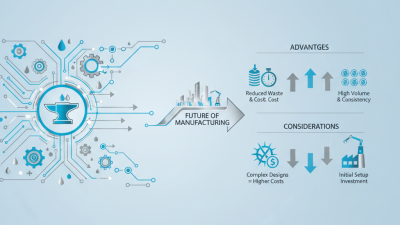
Despite these advancements, challenges remain. The reliance on advanced machinery can lead to high initial costs, deterring small manufacturers. Moreover, quality control can be complex. Ensuring each component meets strict automotive standards requires meticulous attention. As the industry evolves, balancing cost-effectiveness with innovation will be crucial.
Global Sourcing Strategies for Die Cast Car Parts in 2026
As the demand for die cast car parts continues to grow globally, effective sourcing strategies become crucial for buyers in 2026. The die cast process offers precision and efficiency, making it a popular choice among manufacturers. Buyers should focus on understanding the dynamics of their local markets while also considering international options.
When sourcing, consider the materials used. Look for suppliers who can provide high-quality aluminum or zinc alloys. These materials enhance durability and ensure optimal performance. Building strong relationships with suppliers can also lead to better pricing and consistent quality.
Tips: Always assess potential suppliers' capabilities. Request samples and check their production standards before committing. Communicate your expectations clearly to avoid misunderstandings.
Another point to reflect on is the balance between cost and quality. While it may be tempting to choose the cheapest option, focusing solely on cost often leads to problems down the line. A reliable supplier may charge slightly more but provide superior parts that reduce overall production costs. So, weigh the long-term benefits against immediate savings.
Tips: Keep track of industry trends. This knowledge can help in negotiations. Be open to re-evaluating your sourcing strategy as market conditions change.

 +86-13516964051


 CONTACT NUMBER
 CONTACT NUMBER