2026 Top Trends in Casting Aluminum Parts for Industry Innovations
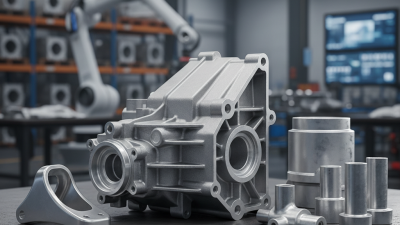
The landscape of manufacturing is evolving rapidly, particularly in the domain of Casting Aluminum Parts. Industry reports indicate that the global aluminum casting market is projected to reach $43 billion by 2026. This growth is driven by increasing demand across sectors such as automotive, aerospace, and consumer electronics. Innovations in casting techniques enhance efficiency and reduce waste, making aluminum a preferred choice.
Yet, challenges remain. The transition to more sustainable practices is crucial. Reports suggest that 50% of manufacturers still grapple with integrating green technologies. Heavy reliance on traditional methods leads to inefficiencies, which are woefully behind the innovations achieved in recent years. Focused investments in technology and the workforce are necessary to overcome these hurdles.
Moreover, the need for skilled labor in Casting Aluminum Parts is critical. Many companies report difficulty in finding qualified technicians, which hinders growth. Addressing these skill gaps can result in significant benefits for the industry. Balancing innovation with practical skill development must remain a priority if we aim to harness the full potential of aluminum casting.
Emerging Technologies in Aluminum Casting for Industrial Applications
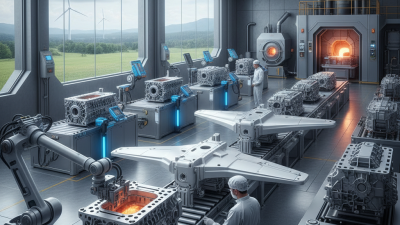
The aluminum casting industry is witnessing a transformation driven by emerging technologies. 3D printing is becoming more prevalent, allowing for complex designs that were once impossible. This technology enables manufacturers to produce parts faster and more efficiently. It also reduces waste by using only the necessary materials.
Artificial intelligence plays a vital role in optimizing the casting process. AI algorithms analyze data from previous casts to improve future production. This leads to higher quality parts and reduces defects. However, integrating AI requires significant investment and expertise. Many companies grapple with these challenges.
Another trend is the increased focus on sustainability. Environmentally friendly materials and processes are gaining traction. Yet, some manufacturers struggle to balance cost with sustainability. The quest for innovation must also consider the bottom line. As technologies evolve, so does the need for reflection on their practical implementation and the industry's overall direction.
2026 Top Trends in Casting Aluminum Parts for Industry Innovations
This chart illustrates the projected adoption rates of various emerging technologies in aluminum casting for industrial applications by 2026. The data shows the increasing interest in automation, advanced materials, and sustainable practices among industries.
Sustainability Trends in Aluminum Part Production and Recycling
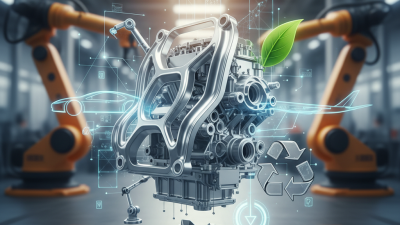
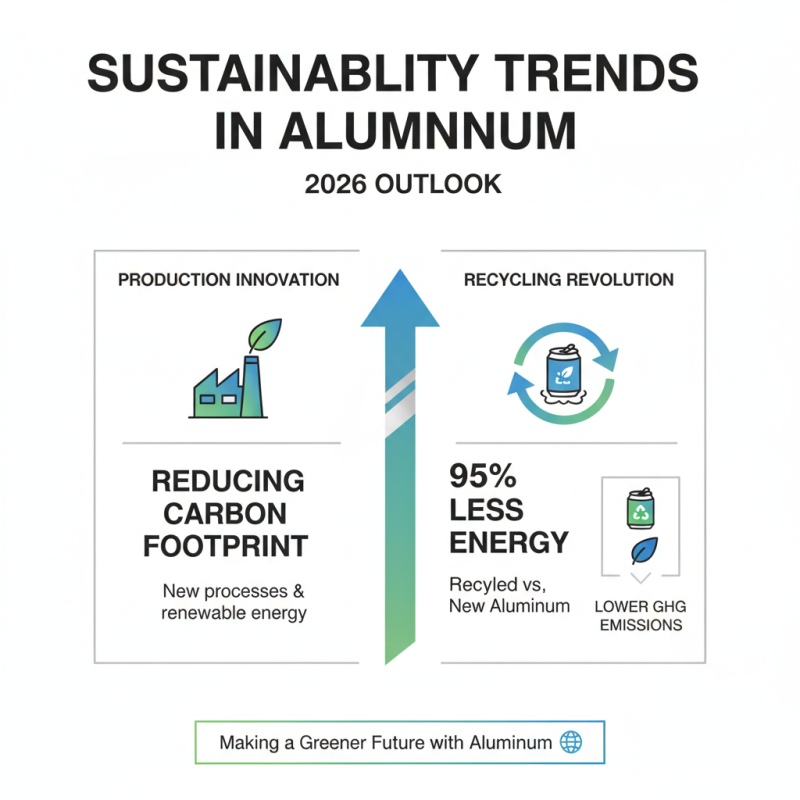
Sustainability is at the forefront of aluminum part production. In 2026, companies are focusing on reducing carbon footprints. According to industry reports, recycled aluminum uses 95% less energy than new aluminum. This significant reduction promises lower greenhouse gas emissions.
Recycling rates for aluminum have improved, reaching over 75% in some sectors. However, challenges remain in maintaining quality during the recycling process. Contaminants can degrade the material, making it less viable for new products. Continuous innovation is required to address these issues effectively.
New methods, such as advanced sorting technologies, are emerging to enhance recycling quality. These methods are crucial in sustaining the lifecycle of aluminum parts. Yet, there is growing concern about the overall environmental impact of mining bauxite. The sector must reflect on better practices to minimize ecological damage while embracing recycled materials. Balancing innovation with sustainability remains an ongoing challenge.
Innovations in Mold Design and Manufacturing Techniques
Mold design and manufacturing techniques are pivotal in the aluminum casting industry. Recent reports indicate that advanced mold technologies can reduce production costs by up to 30%. This improvement is crucial as industries increasingly demand higher efficiency. Traditional methods often struggle to meet these demands.
Innovative mold designs, like 3D printing, allow for complex geometries with minimal waste. By utilizing this technology, companies can achieve more intricate designs that were previously unattainable. However, adaptation to these technologies has been slow. Many professionals need more training on the latest techniques, resulting in missed opportunities.
The integration of simulation software is transforming production. By predicting flow patterns, manufacturers can optimize their molds. Reports show that companies using simulation can decrease defects by approximately 15%. Yet, reliance on these tools can be a double-edged sword. Overconfidence in software predictions might overshadow real-world testing, leading to unforeseen production challenges.
Impact of Automation and AI on Aluminum Casting Processes
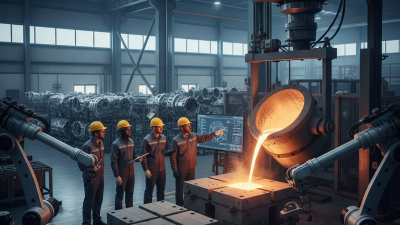
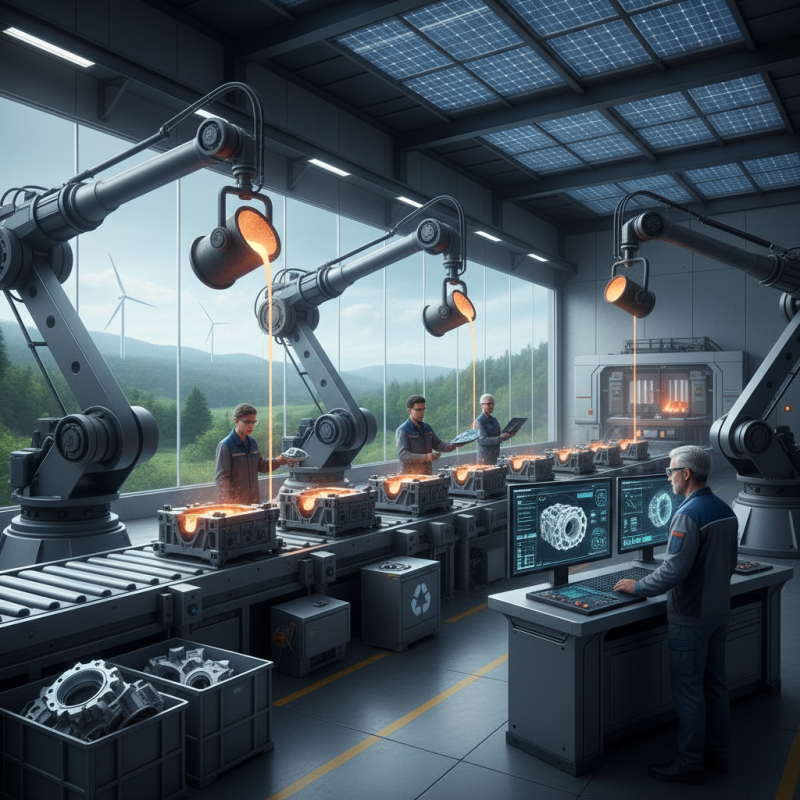
The integration of automation and artificial intelligence (AI) in aluminum casting is transforming the industry. Reports indicate that automation can increase productivity by 20-30%, reducing lead times significantly. This shift allows manufacturers to focus on quality while optimizing labor costs. AI-driven data analytics enhances precision in casting processes, predicting potential defects before they occur.
Tips: Invest in training programs for staff. This helps them adapt to new technologies and improves overall efficiency.
Moreover, the rise of smart foundries is notable. These facilities utilize IoT devices to monitor equipment in real-time, leading to proactive maintenance. However, the reliance on technology poses challenges. Companies may face cybersecurity threats, risking sensitive production data. Ensuring robust security protocols is essential for all businesses embracing tech.
Tips: Regularly review security measures. Stay updated to safeguard relevant data.
The aluminum casting industry stands at a crossroads with automation. Embracing AI can result in remarkable innovations, yet the journey is not without its hurdles. The balance between technology and human oversight remains crucial as firms adapt to these changes.
Future Market Predictions for Aluminum Casting Industries in 2026
The aluminum casting industry is on the verge of significant transformation by 2026. According to a recent report from Allied Market Research, the global aluminum casting market is projected to reach USD 27.3 billion by 2026, growing at a CAGR of 5.5%. This growth reflects the increasing demand for lightweight, durable components across various sectors such as automotive, aerospace, and consumer goods.
However, the industry faces challenges. The need for sustainable practices is becoming more pronounced. Many companies are still grappling with inefficient recycling methods. A study by the International Aluminum Institute highlights that only 75% of aluminum is recycled, suggesting room for improvement. Future market players must innovate to establish responsible sourcing and processing technologies.
Emerging technologies in 3D printing and automation promise to optimize production processes. However, the integration of these technologies won't be seamless. A recent McKinsey report indicates that businesses must invest significantly in training and infrastructure. As the industry evolves, addressing these gaps will be crucial for achieving the projected growth and sustainability goals.

 +86-13516964051


 CONTACT NUMBER
 CONTACT NUMBER