2026 Top Trends in Casting Aluminum Parts You Should Know?
The 2026 landscape for Casting Aluminum Parts is set to be transformative. Industry experts predict a surge in demand. A recent report by Markets and Markets suggests a 7% annual growth rate for aluminum casting. This growth stems from advancements in technology and increasing applications in automotive, aerospace, and consumer electronics.
Renowned aluminum casting expert, Dr. Sarah Evans, states, "Innovation in casting techniques will shape the future of aluminum parts." This sentiment captures the essence of the industry's shift. Companies are exploring new alloys and automated processes. However, there are challenges to navigate. The environmental impact of aluminum production remains a concern. Manufacturers must balance efficiency with sustainability.
The future promises exciting trends like lightweight materials and smart casting technologies. Yet, the industry must reflect on its practices. Ensuring quality and reducing waste are essential for lasting success. The evolution of Casting Aluminum Parts is not just about progress—it's about responsible advancement.
Emerging Technologies Shaping Aluminum Casting in 2026
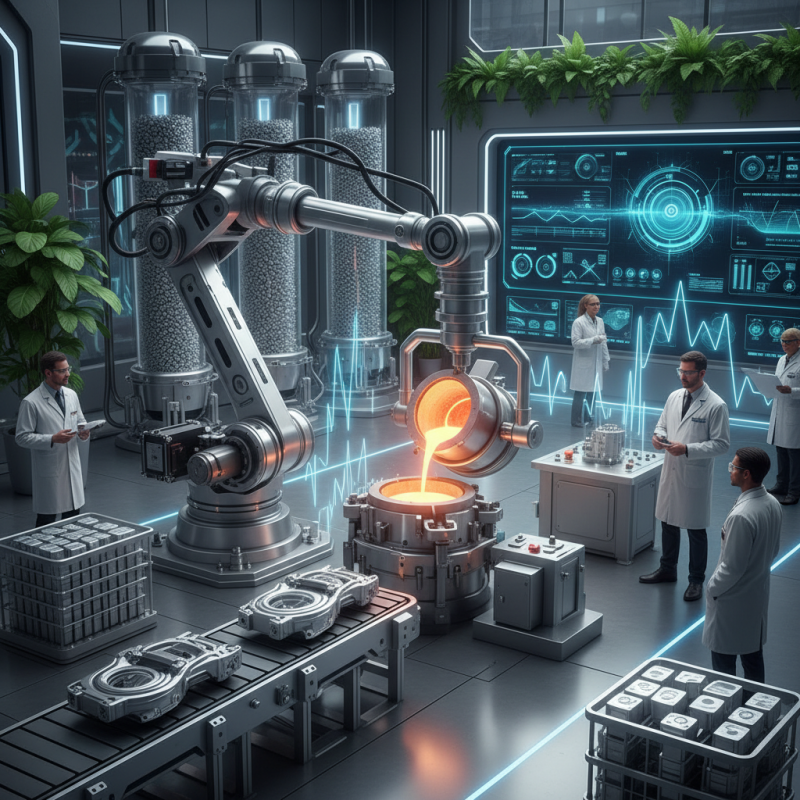
Emerging technologies are transforming the aluminum casting industry in 2026. One significant trend is the rise of additive manufacturing techniques. These methods allow for rapid prototyping and customized parts. This innovation reduces waste and cuts production time. Designers can create complex geometries that were once impossible, enhancing performance and efficiency.
Another notable development is the implementation of artificial intelligence in quality control. AI systems analyze casting processes in real-time. They detect defects earlier, improving reliability and consistency of aluminum parts. However, the initial investment in these technologies can be high. Some manufacturers face challenges integrating these systems into existing workflows.
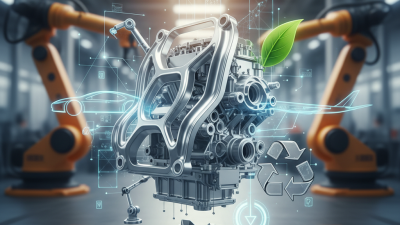
Sustainability also plays a crucial role in shaping the future of aluminum casting. Companies are increasingly focusing on recycling and using greener materials. While these efforts are admirable, they often lack extensive infrastructure. Not all facilities can adapt quickly, leading to varied levels of sustainability across industries. As these technologies evolve, the path forward may not be entirely clear, inviting ongoing reflection and adjustments in strategies.
Sustainability Trends: Eco-Friendly Practices in Aluminum Casting
Aluminum casting is evolving. Sustainability is at the heart of these changes. Eco-friendly practices are now critical in production processes. Many companies focus on reducing waste. They are implementing recycling programs to reclaim aluminum. This reduces the environmental footprint of their operations.
Materials used in aluminum casting are also changing. Manufacturers are exploring new alloys that require less energy to produce. This shift not only conserves resources but also lowers emissions. These innovative alloys can improve durability. However, some companies struggle to balance performance with sustainability.
In addition to material choice, water usage is another concern. Effective management of water resources is essential. Companies are investing in systems that recycle water in casting processes. The industry's drive towards greener practices is promising. Yet, achieving sustainability seamlessly remains a complex challenge. There is much to learn and improve upon in this journey.
Advancements in Aluminum Alloys for Improved Casting Performance
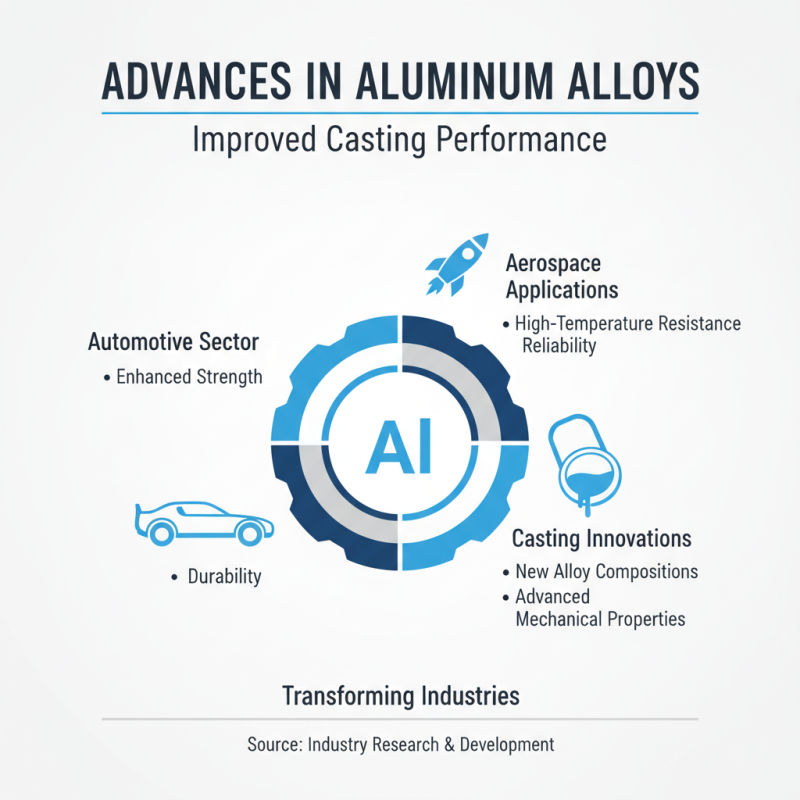
The advancements in aluminum alloys are transforming the casting industry. These innovations focus on enhancing mechanical properties and performance. For example, new alloy compositions improve strength and durability under high temperatures. This is crucial for applications in automotive and aerospace sectors, where reliability is non-negotiable.
Manufacturers are experimenting with different alloying elements. The incorporation of lithium and magnesium has shown promise. These materials create a lighter product while maintaining strength. However, challenges remain in optimizing the casting process for these alloys. The need for precise control during casting is essential to avoid defects like porosity.
Research continues on improving the casting methods themselves. Techniques such as low-pressure casting and vacuum casting are gaining attention. These methods minimize air entrapment, leading to better outcomes. Yet, as processes evolve, so must industry standards and practices. Ongoing education and adaptation are vital for success in this competitive field.
Automation and Smart Manufacturing in Aluminum Casting Processes
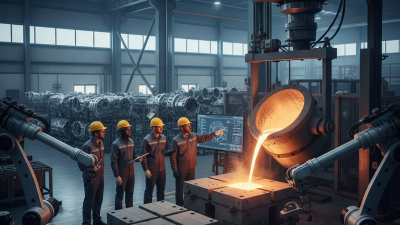
The push for automation and smart manufacturing is transforming the aluminum casting industry. Advanced technologies like artificial intelligence and IoT are becoming common. These innovations enhance efficiency and reduce waste. Manufacturers use real-time data to optimize processes. Predictive maintenance reduces downtime, ensuring smoother operations. However, integrating these technologies can be complex.
Adopting automation requires skilled workers. The skills gap poses challenges. Companies must invest in training to ensure employees can adapt. Artificial intelligence also relies on quality data. Poor data leads to inaccurate predictions. Quality control becomes more critical with automation. Mistakes made in the early stages can ripple through production.
Smart manufacturing promotes flexibility. Companies can quickly adjust to market demands. This responsiveness is vital in today's fast-paced environment. Nonetheless, the initial investment can be daunting. Businesses must weigh the benefits against costs. Each step taken in automation should be deliberate and thoughtful. The journey is ongoing, and reflection will drive future improvements.
Market Demands: Industries Driving Growth in Aluminum Casting Applications
Aluminum casting is experiencing significant growth across various industries. The automotive sector is a primary driver. Lightweight aluminum parts can enhance fuel efficiency. As electric vehicles gain popularity, demand for aluminum components rises sharply. Manufacturers seek to reduce weight while maintaining strength and durability.
Aerospace is another critical area. Companies are investing in aluminum casting for its corrosion resistance and high-performance capabilities. Aircraft components require materials that can withstand extreme conditions. Aluminum provides these necessary qualities, making it a go-to choice for modern aircraft design.
Additionally, the consumer electronics market is evolving. Portable devices increasingly rely on aluminum for their casings. This trend addresses the need for durability and a premium finish. However, not all processes yield optimal results. Challenges remain, such as ensuring uniform quality and reducing waste. Continuous improvement is essential for meeting rising market demands. Companies must adapt and innovate to stay competitive.

 +86-13516964051


 CONTACT NUMBER
 CONTACT NUMBER