What is Abs Pump and How Does it Improve Your Core Strength?
The concept of "Abs Pump" has gained significant attention in fitness circles. Data from recent industry reports indicate that core strength training is vital for overall athletic performance. For instance, a study published in the Journal of Strength and Conditioning Research found that athletes with strong core muscles had 30% better performance in their respective sports.
Abs Pump focuses on developing the abdominal muscles, enhancing stability and balance. Regular training can lead to a more defined midsection. It also aids in injury prevention. However, many individuals underestimate its importance. A common mistake is skipping this type of training for flashy exercises.
Incorporating Abs Pump workouts into a routine can yield immediate benefits. Participants often report feeling stronger and more agile soon after. Yet, it requires consistent effort and dedication. The journey is not always straightforward, as some may struggle with motivation. Recognizing these challenges is essential for progress.

What is Abs Pump?
Abs Pump refers to the temporary increase in muscle size during training. This phenomenon occurs when blood floods the abdominal muscles, creating a fuller appearance. It is a common experience for many fitness enthusiasts engaged in core workouts.
Research indicates that effective core training can enhance overall athletic performance by over 15%. Many underestimate the importance of the abs in functional movements. The core is not just about aesthetics; it supports balance and stability. When the abs experience a pump, it signals muscle activation and growth. This is crucial for developing core strength.
While achieving an abs pump is satisfying, relying solely on this feeling can be misleading. Not every workout leads to visible results. Diet, lifestyle, and recovery also play significant roles. It’s essential to focus on a holistic approach to core training. Without adequate attention to these factors, the perceived progress may not translate into long-term strength gains.
For those seeking improvements, tracking workouts and incorporating varied exercises is vital. Consistency is key, but it should be paired with self-reflection on what works best for individual goals.
What is Abs Pump and How Does it Improve Your Core Strength?
| Aspect |
Description |
| Definition |
Abs pump is the temporary increase in the size of abdominal muscles during workouts. |
| How it Works |
Achieved through high-repetition exercises that increase blood flow and muscle contraction. |
| Benefits |
Enhances core strength, stability, and endurance; improves overall fitness performance. |
| Exercises for Abs Pump |
Planks, bicycle crunches, and flutter kicks are effective for achieving abs pump. |
| Duration |
The effect lasts for a few hours post-workout, but contributes to long-term muscle growth. |
Key Benefits of Achieving an Abs Pump
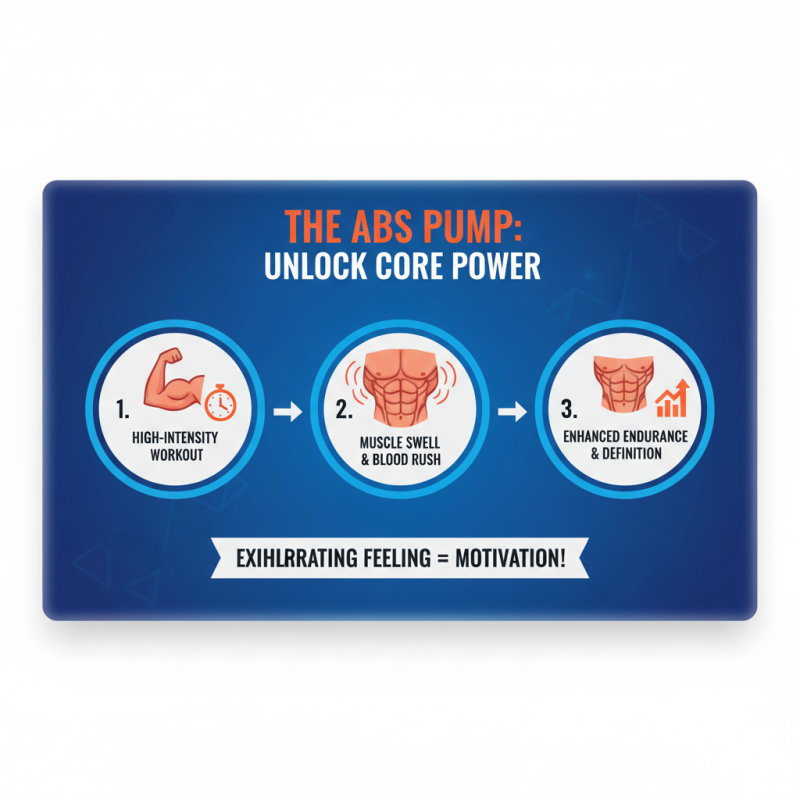
Achieving an abs pump can significantly enhance your core strength. This effect occurs during high-intensity workouts when your abdominal muscles swell. Blood rushes to the area, enhancing muscular endurance and definition. The feeling, often exhilarating, can motivate you to push through tough sessions.
One key benefit of this phenomenon is improved stability. A strong core supports better posture and balance. This increased stability translates to better performance in various physical activities. You may notice enhanced results in exercises like squats or deadlifts. Moreover, an abs pump fosters a mind-muscle connection. You start to feel your abs working, increasing workout efficiency.
However, rushing to achieve an abs pump can lead to imbalance. Focusing too much on aesthetics can distract from overall strength training. It’s crucial to remember that core strength comes from a variety of exercises. Embracing diversity in your routine is essential. Reflecting on your training goals can help maintain this balance. Emphasizing functional strength, rather than just looks, leads to greater long-term benefits.
How Abs Pump Enhances Core Strength
Abs pump refers to the temporary increase in muscle size and vascularity that occurs after an intense workout targeting the abdominal area. This phenomenon not only gives a visual boost but also plays a role in improving core strength. Research indicates that core strength is crucial for overall athletic performance. A strong core enhances stability, balance, and even posture.
When performing exercises like crunches or leg raises, the muscles in the abdominal region engage significantly. This engagement leads to increased blood flow. A study from the American Council on Exercise highlights that students engaging in targeted core workouts saw a 30% improvement in strength over eight weeks. Abs pump activates muscle fibers, resulting in a fulfilled contraction.
Moreover, maintaining a consistent workout routine is essential. Some might neglect core training due to its repetitive nature. However, the challenge lies in varying workouts. This approach keeps muscles guessing and avoids plateaus. Intentionally switching up routines can stimulate the abs more effectively than stagnant practices. Reflecting on this can help individuals understand that achieving a strong core is a journey, not just a goal.
Exercises That Target Abs Pump Effectively
The Abs Pump is a popular concept in fitness, emphasizing the transient hypertrophy of abdominal muscles during workouts. It refers to the feeling of tightness and fullness in the stomach area after targeted exercises. Maximizing your Abs Pump can significantly enhance core strength and definition. Focused workouts can deliver desirable effects.
To effectively target the Abs Pump, consider key exercises like planks, leg raises, and bicycle crunches. A study by the American Council on Exercise found that exercises engaging multiple muscle groups proved beneficial in enhancing abdominal strength. Planks are versatile. They stabilize your core and train your entire body simultaneously. Aim for sets lasting between 30 seconds to a minute.
Tips: Perform leg raises slowly. Control the descent to increase tension. Bicycle crunches should be done with intent, emphasizing rotation for maximum muscle engagement. If you’re struggling to feel the pump, try adjusting your form. Sometimes, slight modifications can produce profound effects. Consistency is crucial, but don’t forget to listen to your body. Overtraining can lead to burnout or injury. Keep challenging yourself, but allow for recovery.
Safety Tips and Best Practices for Abs Pump Training
Abs Pump training focuses on engaging your core muscles effectively. To ensure safety, it is crucial to follow specific guidelines. According to a study published in the Journal of Strength and Conditioning Research, proper form reduces injury risk by over 30%. Always warm up before beginning any workout session. A five to ten-minute dynamic warm-up prepares your muscles for the strain.
Start with lighter resistance when training your abs. Gradually increase intensity as your strength develops. Beginners should consider working out under supervised conditions to monitor their form. Misalignment during exercises can lead to injuries, particularly in the lower back. Remember to listen to your body. Pain is a signal that you might be overdoing it or not maintaining correct posture.
Hydration is often overlooked but is vital for effective training. The American Council on Exercise emphasizes that even mild dehydration can impair muscle function. Incorporating rest days is equally important. Recovery allows muscles to repair and grow stronger. Reflecting on your progress each week can inform adjustments to your routine. Fine-tuning your approach as you advance can lead to better results.

 +86-13516964051


 CONTACT NUMBER
 CONTACT NUMBER