Why is Aluminum Die Casting Mould Essential for Efficient Manufacturing?
In today’s competitive manufacturing landscape, efficiency and precision are crucial. The Aluminum Die Casting Mould plays a vital role in achieving these goals. It allows manufacturers to create complex shapes with great accuracy. This capability leads to high-quality components and reduced waste.
Aluminum die casting offers advantages like lighter parts and faster production. The moulds are designed to withstand high pressure, promoting durability in production. However, creating these moulds requires expertise and investment. Some manufacturers struggle to maintain the necessary quality standards. This gap can lead to production delays and increased costs.
Moreover, frequent changes in design may cause challenges in mould adaptation. Companies must learn to balance speed and quality. The quest for efficiency is ongoing. Ultimately, the Aluminum Die Casting Mould is not just a tool; it shapes the future of manufacturing.
Importance of Aluminum Die Casting Mould in Manufacturing Efficiency
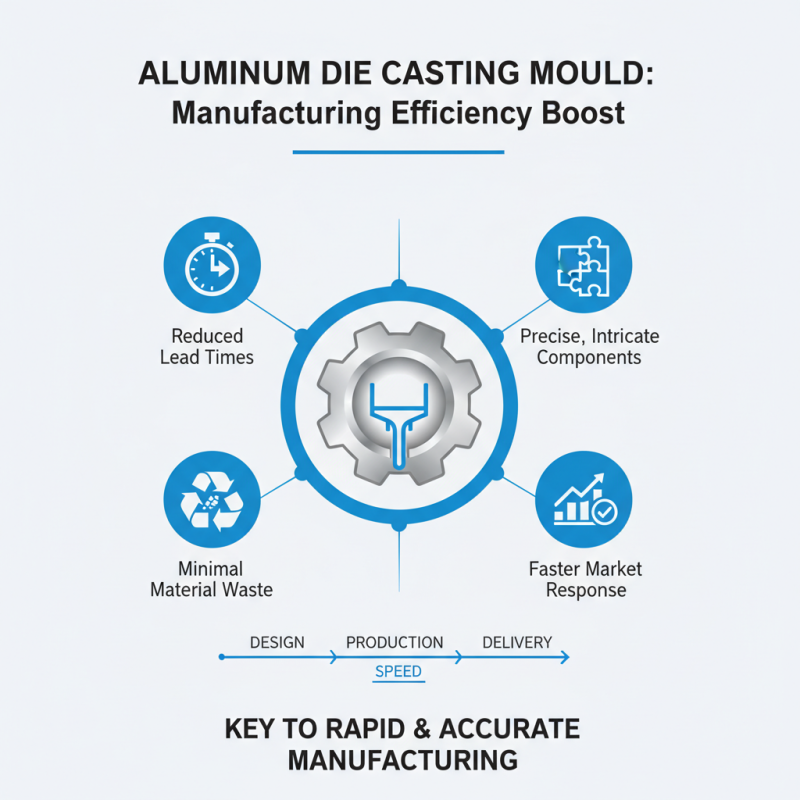
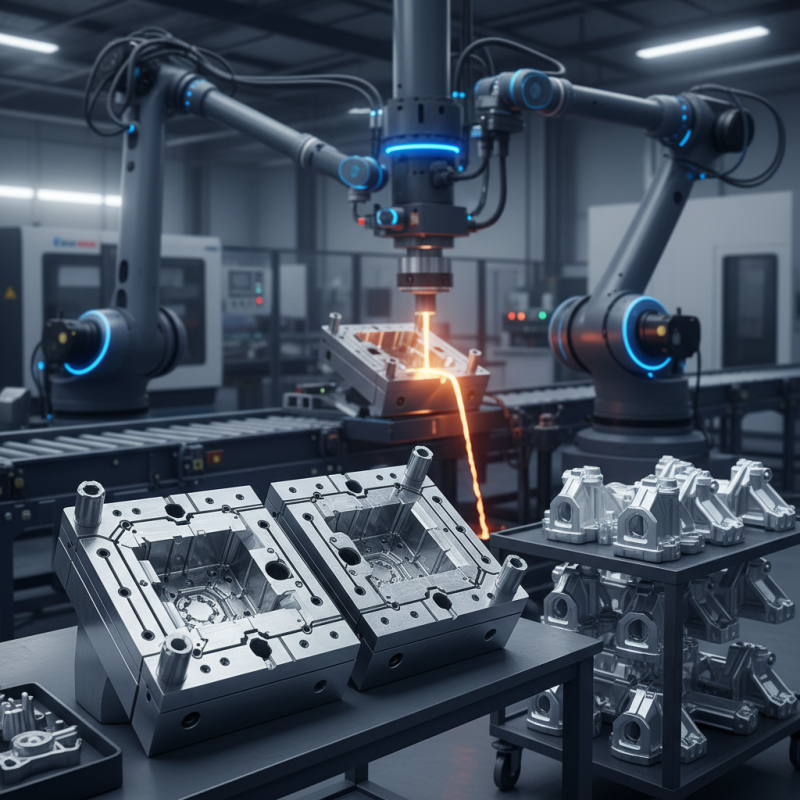
Aluminum die casting moulds play a crucial role in manufacturing efficiency. These moulds are designed to create precise components with minimal waste. By utilizing them, manufacturers can produce intricate shapes quickly and accurately. This process reduces lead times significantly. As a result, businesses can respond to market demands faster.
The efficiency gained from aluminum die casting moulds is not without challenges. There may be issues with maintaining consistent quality. A small flaw in the mould can result in defects in the final product. Frequent inspections and adjustments are key to overcoming this. Moreover, the initial investment for high-quality moulds can be daunting. However, the long-term benefits often outweigh these concerns.
In today's competitive landscape, efficiency is paramount. Using aluminum die casting moulds can streamline production lines. This method also allows for better resource management, as it minimizes material waste. Nevertheless, manufacturers must remain vigilant about their processes. Constant reflection on their techniques ensures sustained success in manufacturing.
Key Benefits of Using Aluminum Die Casting Moulds
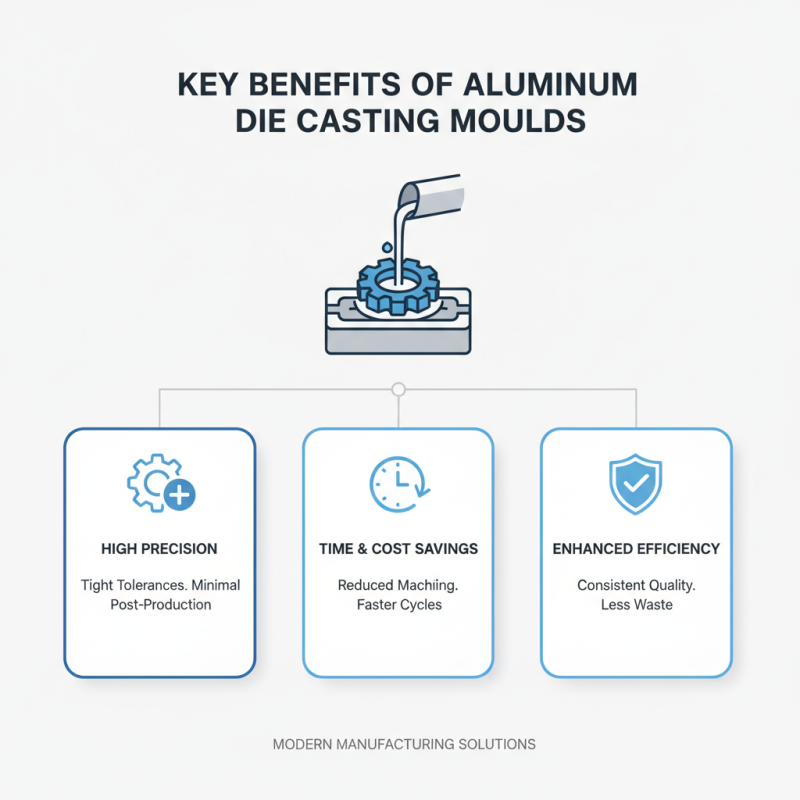
Aluminum die casting moulds play a crucial role in modern manufacturing. They offer several key benefits that enhance efficiency. Firstly, they allow for high precision in component production. With a well-designed mould, parts can be produced with tight tolerances. This accuracy minimizes the need for post-production adjustments, saving both time and costs.
Moreover, aluminum moulds are lightweight yet strong. This characteristic helps in reducing the overall weight of the products being manufactured. The energy savings from operating lighter machinery can lead to lower production costs. However, it's important to note that the initial investment in quality moulds can be significant. Manufacturers must weigh the long-term gains against these upfront costs.
Additionally, the durability of these moulds contributes to their efficiency. They can withstand high pressures and temperatures, making them suitable for various applications. Yet, wear and tear over time is a factor to consider. Regular maintenance is essential to ensure optimal performance. Lastly, the recycling potential of aluminum can help manufacturers align with sustainability goals, but care must be taken to manage this process effectively.
Comparison of Aluminum Die Casting vs. Other Manufacturing Methods
Aluminum die casting is gaining attention compared to traditional methods like injection molding and machining. Industry reports suggest that aluminum die casting offers higher production rates. For instance, components can be produced in minutes, while other methods may take hours. This efficiency is crucial in the fast-paced manufacturing environment.
Aluminum has unique properties, such as a low density and excellent thermal conductivity. A study indicated that aluminum die casting can produce parts with tight tolerances. This method typically achieves a dimensional accuracy of ±0.005 inches, making it preferable for complex shapes. Other methods often fall short on repeatability and precision.
However, aluminum die casting is not without challenges. High initial tool costs can deter some manufacturers. Additionally, the process can produce scrap metal that might not occur with alternatives. Companies must weigh these factors against the benefits. In some cases, a hybrid approach might be more efficient in meeting production needs. The choice between aluminum die casting and other methods ultimately hinges on specific project requirements.
Factors Influencing the Design of Aluminum Die Casting Moulds
The design of aluminum die casting molds plays a crucial role in manufacturing efficiency. Several factors directly impact mold design. These include the complexity of the part, required tolerances, and production volume. Molds must be tailored to meet specific demands. It's not as simple as creating a generic mold.
Material selection is also vital. Aluminum has unique properties but requires careful consideration in mold design. Thicker sections may retain heat better, which could affect cooling. This can lead to longer cycle times. Designers must balance heat transfer with part integrity. Mistakes here can impact production quality.
Surface finish requirements are another consideration. A smoother finish may require additional machining. This can increase costs and production time. Some designs may not allow for smooth finishes due to geometry constraints. Reflecting on these design challenges reveals the complexity in mold making. Each decision has the potential to shape production outcomes. Optimizing these factors can lead to immense improvements in efficiency, but can be difficult to achieve.
Why is Aluminum Die Casting Mould Essential for Efficient Manufacturing? - Factors Influencing the Design of Aluminum Die Casting Moulds
| Factor |
Description |
Impact on Efficiency |
| Material Selection |
Choosing the right metal alloy for the die casting process. |
Ensures durability and reduces wear, leading to longer tool life. |
| Mould Design |
The geometric shape and complexity of the mould. |
Can significantly decrease cycle times and enhance product quality. |
| Cooling System |
Efficient cooling strategies to regulate temperature during casting. |
Improves solidification rates and reduces production time. |
| Ventilation Design |
Designing vents to allow gases to escape during pouring. |
Minimizes defects and improves overall casting quality. |
| Surface Finish |
The smoothness and texture of the mould surface. |
Influences the aesthetic and functionality of the final product. |
Common Applications and Industries Utilizing Aluminum Die Casting Moulds
Aluminum die casting moulds play a key role in various industries. They are widely used in automotive manufacturing, electronics, and aerospace. According to industry reports, the global aluminum die casting market was valued at around $6.5 billion in 2020 and is expected to grow at a compound annual growth rate (CAGR) of 5.7% through 2027. This growth highlights the demand for efficient manufacturing processes.
In automotive manufacturing, aluminum die casting is preferred due to its lightweight properties. These moulds help produce components like engine blocks and transmission housings. Aerospace industries also benefit from aluminum's strength-to-weight ratio. Components made from these moulds enhance fuel efficiency and overall performance.
Tips: Ensure you choose the right alloy for specific applications. Also, consider the complexity of the design; intricate designs may require specialized moulds. It’s essential to conduct thorough testing to identify potential issues early in the production process. Reflect on your project’s unique needs. Not all die casting solutions fit every situation. Maintaining an adaptable approach can unravel unseen challenges.
Common Applications of Aluminum Die Casting Moulds
This chart illustrates the various industries and applications that utilize aluminum die casting moulds, showcasing their popularity across different sectors.

 +86-13516964051


 CONTACT NUMBER
 CONTACT NUMBER