What is Sand Die Casting Benefits and Applications for Buyers?
Sand Die Casting is a widely utilized manufacturing process known for its versatility and cost-effectiveness. The global sand casting market is projected to reach $13.7 billion by 2027, with a steady growth rate of 5.1% annually. Such statistics underscore the significance of this method for various industries, including automotive and aerospace.
One of the primary benefits of sand die casting is its ability to produce complex shapes with high accuracy. This method allows for the use of a variety of metals, such as aluminum and iron. Additionally, it generally requires lower initial tooling costs compared to other casting techniques. However, buyers must consider potential issues, such as surface finish quality and dimensional tolerances.
As the demand for sustainable manufacturing increases, sand die casting offers an eco-friendly solution. It is compatible with recycling processes, which is crucial in today’s environmentally-conscious market. Despite its advantages, companies must carefully assess their specific needs and challenges in adopting this method for optimal results.
Benefits of Sand Die Casting: A Comprehensive Overview
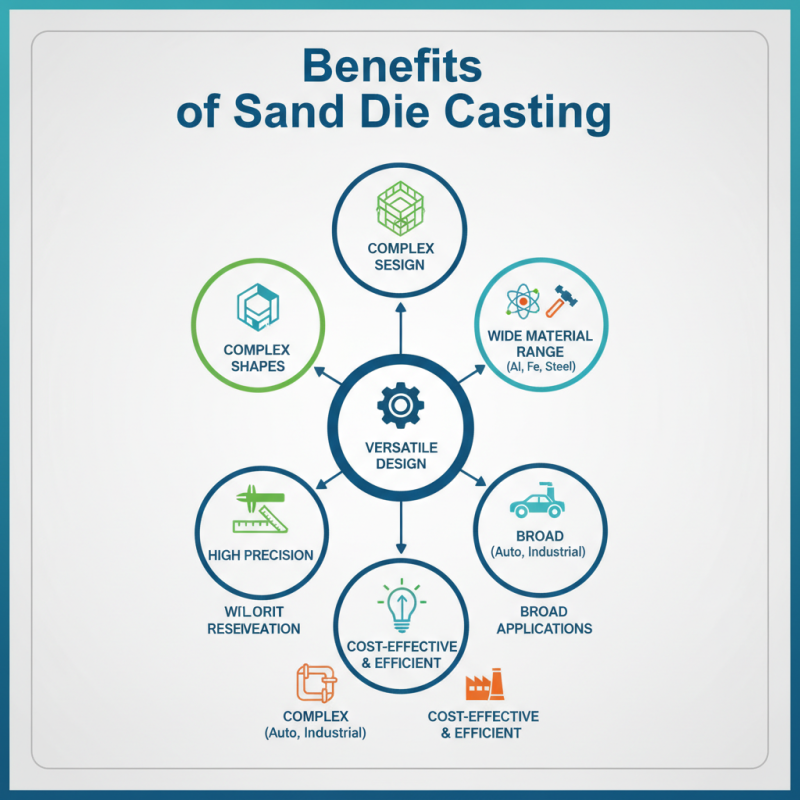
Sand die casting is a popular manufacturing method known for its numerous benefits. It offers versatility in product design and is capable of producing complex shapes with high precision. The flexibility of the process allows for a wide range of materials to be used, such as aluminum, iron, and steel. This adaptability makes it suitable for various applications, from automotive parts to industrial machinery.
In addition to flexibility, sand die casting is cost-effective for both small and large production runs. The initial setup costs can be lower than other casting methods, particularly for small quantities. The ability to recycle sand also reduces materials waste, making the process more sustainable. However, attention should be paid to the quality of the sand used. Poor quality sand can lead to imperfections in the final product.
Tips: Choose a reliable foundry with experience in sand die casting. They can help ensure high-quality results. Consider testing your design with a prototype before committing to mass production. Prototype testing can reveal potential issues early on, saving time and costs in the long run. Ensure you understand the limitations of the process, such as surface finish quality. Acknowledging these limitations can lead to better design choices.
Cost Efficiency in Sand Die Casting Compared to Other Methods
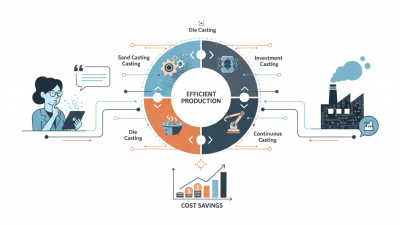
Sand die casting offers notable cost efficiency compared to other manufacturing methods. With lower raw material costs, it reduces the overall production budget. A report by the American Foundry Society shows that sand casting can be up to 30% cheaper than alternatives like investment casting. This affordability comes from lower tooling costs and minimal post-processing expenses.
In sand die casting, the flexibility of using various alloys allows for diverse applications. This method accommodates both high-volume production and small-scale runs, making it versatile. Companies often find it easier to adapt designs without significant cost implications. Quality assurance data indicates that sand casting can achieve tolerances of ±0.5% easily, although this varies with complexity.
However, there are aspects that buyers must consider. Surface finish quality may not match that of other techniques, like die casting. This can lead to additional finishing processes, which may increase overall costs. Buyers should weigh these factors carefully, seeking a balance between cost and final product quality. Identifying the right applications for sand die casting is crucial for maximizing benefits while minimizing drawbacks.
Key Applications of Sand Die Casting in Various Industries
Sand die casting is widely utilized across various industries due to its unique advantages. This process allows for the creation of complex shapes and sizes with high dimensional accuracy. According to a report from Allied Market Research, the global die casting market is expected to reach $24.28 billion by 2025. This statistic highlights the growing reliance on sand die casting in sectors such as automotive and aerospace.
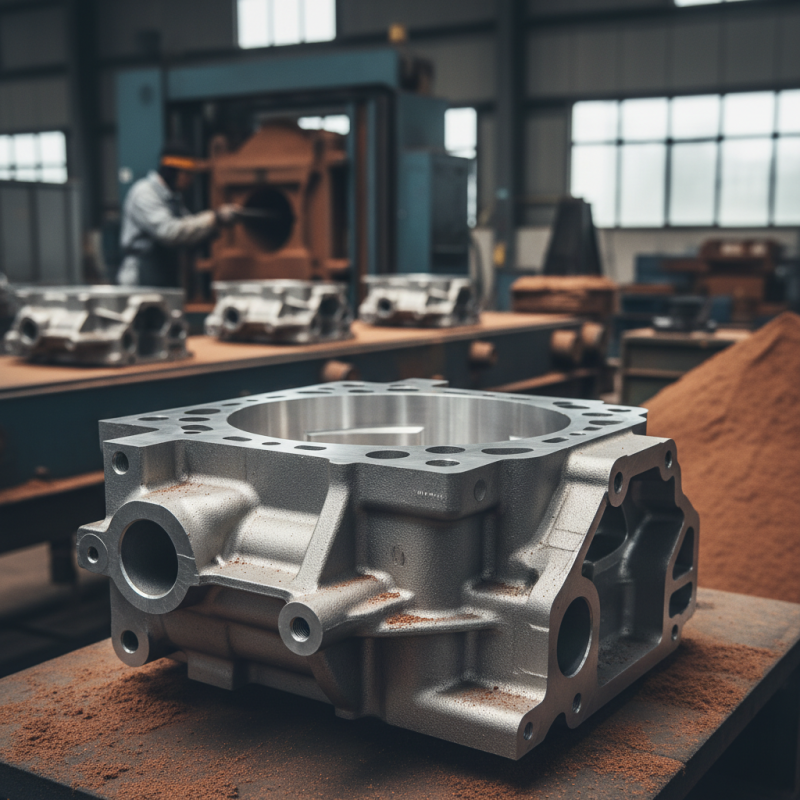
The automotive industry heavily benefits from sand die casting. It is used in manufacturing engine blocks, gearboxes, and other critical components. These parts must withstand high-stress conditions, making durability essential. A study by the American Foundry Society emphasizes that components made through sand die casting offer excellent wear resistance. This durability reduces failure rates and maintenance costs for manufacturers.
Another significant application is in the aerospace sector. Parts like brackets and housings are often produced using sand die casting. The lightweight yet strong characteristics of these sand-cast components contribute to better fuel efficiency. Industry data shows that lightweight materials can improve fuel economy by up to 30%. However, achieving consistent quality remains a challenge. Variability in sand mixture can affect final product integrity, which necessitates rigorous quality control measures.
What is Sand Die Casting? Benefits and Applications Across Industries
Material Selection and Quality Control in Sand Die Casting Processes
In sand die casting, material selection plays a crucial role. The choice of metal greatly influences the final product's strength and durability. Common materials include aluminum, zinc, and magnesium. Each metal has unique properties that suit various applications. For example, aluminum is lightweight and corrosion-resistant. In contrast, zinc offers excellent fluidity and surface finish. Buyers must understand these properties to make informed decisions.
Quality control is essential in the sand die casting process. It ensures that each component meets specified standards. Various inspections can be conducted throughout production. Visual inspections, for instance, can detect surface defects. More advanced methods, such as X-ray testing, reveal internal flaws. Buyers should request detailed quality reports to verify production standards. This process helps avoid costly errors in later stages.
Despite these measures, challenges can arise. Variations in sand quality or temperature can affect the final product. Buyers should communicate openly with manufacturers about potential issues. By fostering collaboration, both parties can work towards better outcomes. Understanding these factors is vital for ensuring the success of sand die casting projects.
Future Trends and Innovations in Sand Die Casting Technology
The field of sand die casting is evolving rapidly. Innovations in this technology are set to reshape the industry. One notable trend is the integration of advanced materials. These materials enhance durability and reduce production costs. As manufacturers lean towards sustainable practices, eco-friendly sand options are gaining traction. This shift not only reduces environmental impact but also meets consumer demands.
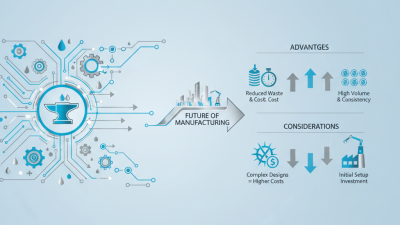
Automation plays a key role in improving efficiency. Robotics and AI streamline the casting process. They minimize human error, ensuring consistent quality. This technology allows for complex designs to be executed with precision. However, there are challenges. The initial investment in automation can be high. Companies must weigh the cost against potential long-term savings.
Another area of growth is in predictive maintenance. With the rise of IoT, sensors can monitor equipment health in real-time. This proactive approach reduces downtime. Yet, reliance on technology can create vulnerabilities. Over-dependence might lead to reduced skilled labor. It's essential to find a balance between innovation and maintaining human expertise. The future of sand die casting holds promise, but careful consideration is needed.
What is Sand Die Casting Benefits and Applications for Buyers? - Future Trends and Innovations in Sand Die Casting Technology
| Benefit/Application |
Description |
Future Trends |
| Cost-Effectiveness |
Allows for lower manufacturing costs due to reusable materials. |
Increased automation in sand casting processes. |
| Versatility |
Can be used for a variety of metals, including aluminum and zinc. |
Development of new alloys for improved properties. |
| Precision |
High dimensional accuracy with minimal machining required. |
Advancements in computer modeling for more accurate designs. |
| Short Lead Times |
Faster production cycles compared to other methods. |
Introduction of rapid prototyping technologies. |
| Environmental Impact |
Use of recyclable materials reduces waste. |
Focus on sustainable practices and eco-friendly materials. |

 +86-13516964051


 CONTACT NUMBER
 CONTACT NUMBER