Top Benefits of Aluminum Die Casting Parts for Manufacturing Applications?
Aluminum Die Casting Parts play a crucial role in modern manufacturing. They offer strength and precision, making them invaluable for various industries. According to a recent report by the International Die Casting Association, the die casting market is projected to reach USD 34.5 billion by 2026. This growth highlights the increasing reliance on Aluminum Die Casting Parts for high-quality components.
Their lightweight nature enhances efficiency in manufacturing processes. Additionally, aluminum’s excellent thermal and electrical conductivity supports innovative product designs. However, issues like porosity and dimensional accuracy can still occur. Manufacturers must focus on quality control to mitigate risks.
Investing in Aluminum Die Casting Parts means embracing advanced technology. The injection process allows intricate details and tight tolerances, which are often hard to achieve with other methods. Yet, sustainability remains a challenge. Recycling practices need improvement to maximize aluminum's lifecycle and reduce environmental impact. Early adoption of best practices could enrich the industry, leading to greater efficiency.
Overview of Aluminum Die Casting in Manufacturing Industries
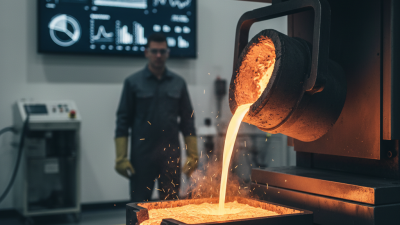
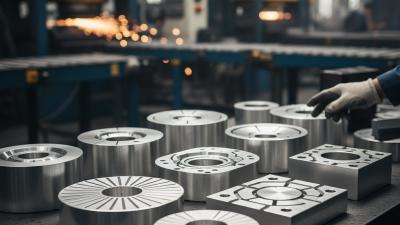
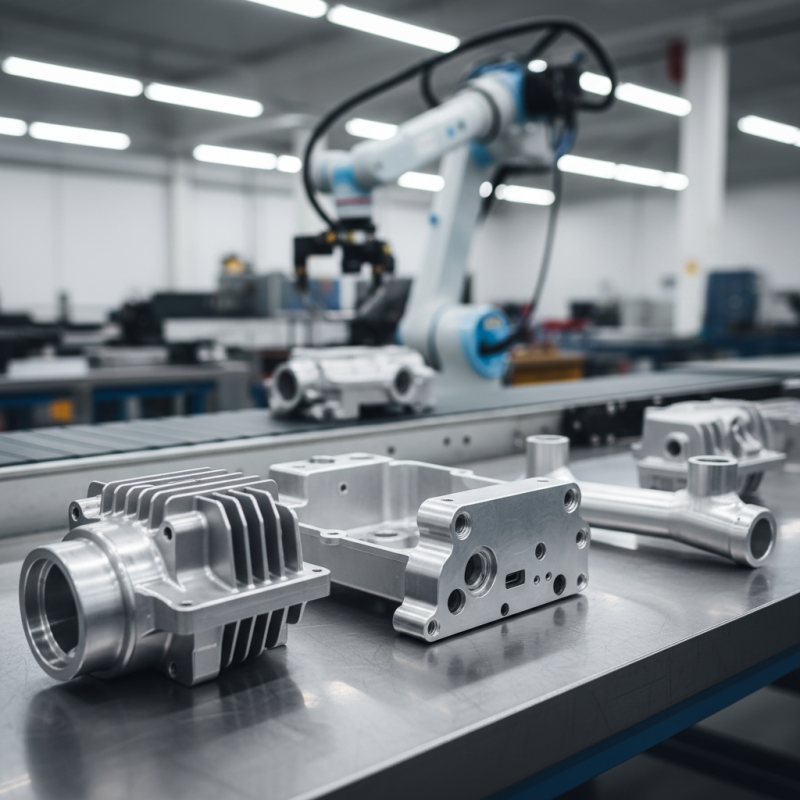
Aluminum die casting plays a vital role in various manufacturing industries. This process involves injecting molten aluminum into a mold under high pressure, resulting in precise and durable parts. Due to its lightweight nature and exceptional strength, aluminum is preferred for producing components in automotive, aerospace, and electronics sectors. This approach enhances production efficiency and minimizes waste.
One notable advantage of aluminum die casting is its ability to create complex shapes. This capability allows for intricate designs that are often unattainable with other manufacturing processes. Additionally, aluminum die cast parts exhibit excellent surface finishes, reducing the need for secondary processing. However, achieving the desired final quality can sometimes require multiple iterations, reflecting on the necessity for precise quality control measures.
Tips for optimizing aluminum die casting include investing in high-quality molds. Well-designed molds not only improve production speed but also enhance part consistency. Monitoring the temperature of the molten aluminum is crucial. Overheating can lead to defects, impacting overall part quality. Finally, integrating advanced simulation software can help visualize potential issues before production begins, saving time and resources.
Top Benefits of Aluminum Die Casting Parts for Manufacturing Applications
| Benefit |
Description |
| Lightweight |
Aluminum's low density leads to reduced weight of the final product, enhancing efficiency in transportation and assembly. |
| Corrosion Resistance |
Aluminum die cast parts are resistant to corrosion, thus reducing maintenance needs and extending product lifespan. |
| Precision and Detail |
Die casting allows for high precision and the ability to create intricate designs with excellent surface finish. |
| Cost-Effectiveness |
Mass production reduces costs per unit, making aluminum die casting a cost-effective option for manufacturers. |
| Thermal Conductivity |
Aluminum has excellent thermal conductivity, making it ideal for components that need heat dissipation. |
| Recyclability |
Aluminum can be recycled multiple times without loss of quality, contributing to sustainability in manufacturing. |
Key Advantages of Using Aluminum in Die Casting Processes
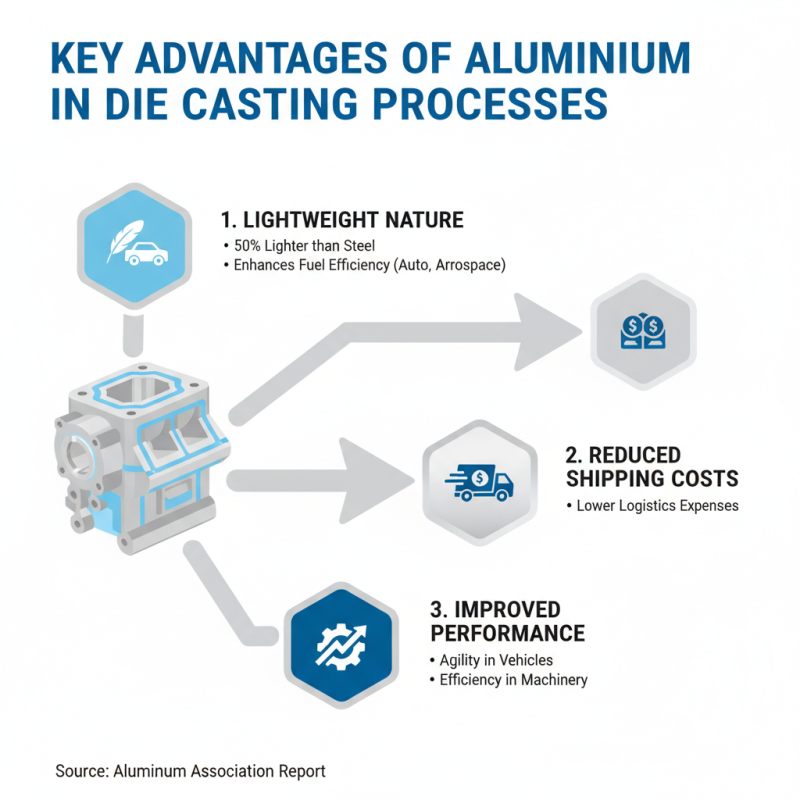
Aluminum die casting offers numerous benefits for manufacturing applications. One key advantage of aluminum is its lightweight nature. According to a report by the Aluminum Association, aluminum parts can weigh up to 50% less than steel components. This reduction in weight enhances fuel efficiency in automotive and aerospace sectors. Additionally, lighter components can lead to lower shipping costs and improved performance.
Another essential aspect is aluminum's excellent thermal conductivity. This property allows for efficient heat dissipation in electronic components, which is crucial for maintaining performance and longevity. Industry studies show that aluminum can effectively transfer heat away from critical components, reducing the risk of overheating. Furthermore, aluminum die casting can produce complex shapes with tight tolerances, an essential requirement for modern manufacturing.
Despite these advantages, there are challenges to consider. For instance, the initial tooling costs for die casting can be relatively high. This factor may deter small manufacturers or startups from investing in aluminum die casting processes. Additionally, while aluminum is corrosion-resistant, it may require surface treatments for specific applications. Understanding these limitations is crucial for manufacturers evaluating the transition to aluminum die casting, ensuring informed decisions in production strategies.
Cost-Effectiveness of Aluminum Die Casting for Mass Production
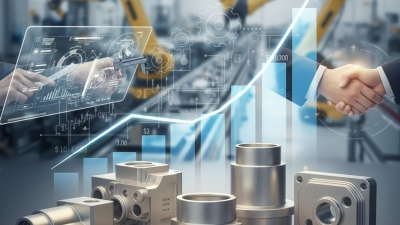
Aluminum die casting is increasingly popular in manufacturing due to its cost-effectiveness. This method allows for high-volume production at a reduced cost. By using aluminum, manufacturers can create parts that are lightweight yet strong. This characteristic is essential in industries like automotive and aerospace. The ability to produce intricate designs with precision also adds significant value.
One key aspect is the efficiency of the die-casting process. By minimizing waste and reducing the need for machining, companies can save money. This efficiency translates into lower production costs. However, achieving the right balance between quality and cost can be challenging. Manufacturers must invest time in designing effective molds. Poorly designed molds can lead to defects, ultimately increasing costs.
When considering mass production, the initial tooling costs can be high. Yet, these costs diminish with larger production runs. As the quantity increases, the cost per unit decreases significantly. Still, companies must evaluate whether they will use the molds enough times to justify the initial investment. They must also be aware that variations in aluminum quality can affect the final product. Decisions surrounding material selection should not be taken lightly. Each choice impacts overall cost and quality.
Enhanced Product Durability and Performance with Aluminum Parts
Aluminum die casting parts offer a multitude of benefits in manufacturing. One key advantage is their remarkable durability. Aluminum is lightweight yet sturdy, making it ideal for a wide range of applications. These parts can withstand harsh conditions, which enhances product lifespan.
Durability means fewer replacements and lower costs over time.
In addition to durability, aluminum parts improve overall performance. They provide excellent thermal conductivity, which is essential in many applications, especially in the automotive and electronics industries. Effective heat dissipation can prevent overheating and ensure device stability. The precision molding capabilities of die casting also allow for intricate designs, which elevate product functionality.
However, the production process is not without its challenges. Achieving uniform quality can require thorough inspections. Minor variations in temperature or material quality may affect the final outcome.
Continuous monitoring is crucial to ensure that the advantages of aluminum parts are fully realized. Manufacturers must maintain a balance between speed and quality to truly benefit from aluminum die casting.
Sustainability and Environmental Impact of Aluminum Die Casting
Aluminum die casting is becoming increasingly popular in manufacturing due to its sustainability. This method not only produces strong and lightweight parts but also helps reduce waste. Unlike other materials, aluminum is recyclable. It can be melted down and reused multiple times without losing its properties. This recycling capability significantly lowers energy consumption.
The environmental impact of aluminum die casting is noteworthy. When properly managed, the process generates less scrap. However, not all foundries adopt environmentally friendly practices. Some still rely on methods that emit harmful pollutants. Awareness and regulation are crucial for minimizing this issue. Industry professionals must promote better practices to ensure a cleaner production environment.
Investing in energy-efficient technologies also plays a role. New machinery can reduce energy costs while lessening emissions. Companies must recognize that sustainable practices can enhance their reputation. However, transitioning to sustainable methods can be slow and requires commitment. Continuous improvement and innovation are vital to fully realize the benefits of aluminum die casting.

 +86-13516964051


 CONTACT NUMBER
 CONTACT NUMBER