Top 10 Benefits of Metal Die Casting for Modern Manufacturing Solutions?
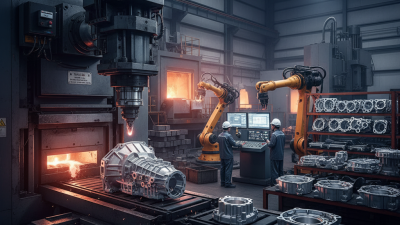
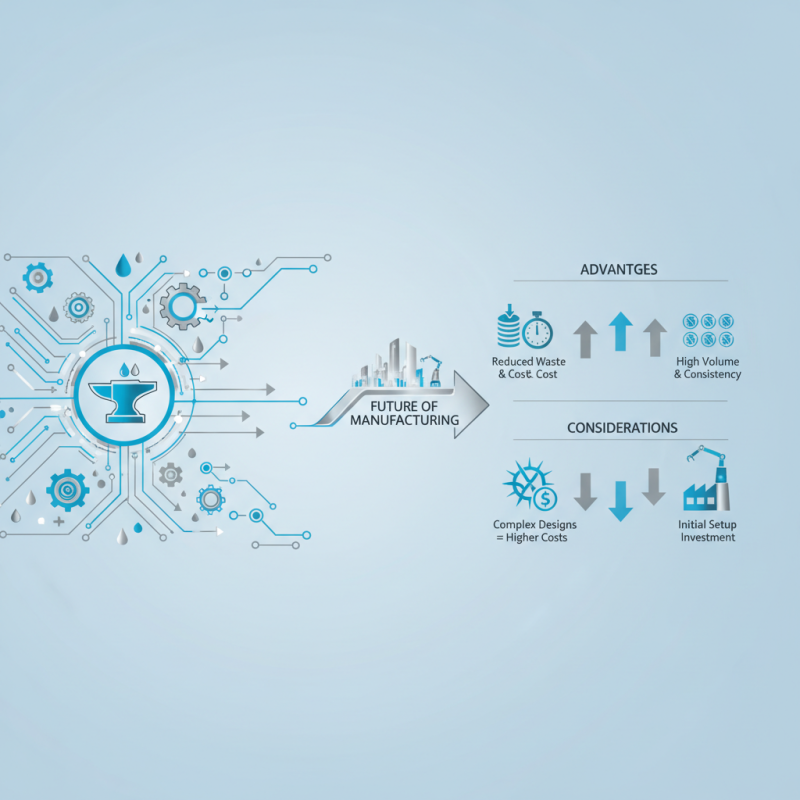
In today's manufacturing landscape, efficiency and precision are critical. Metal Die Casting has emerged as a vital process for modern production. This technique allows for the creation of complex shapes with high accuracy. Manufacturers benefit from reduced waste and shorter lead times. The ability to produce large volumes consistently makes this method appealing.
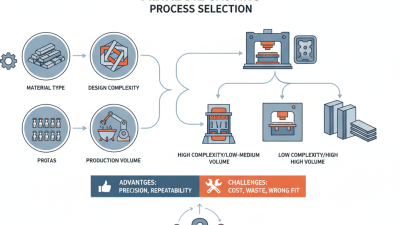
However, it’s worth noting that while Metal Die Casting offers many advantages, it also has limitations. Complex designs may increase costs. Additionally, the initial setup can require significant investment. It’s important for businesses to weigh these factors when considering the process. Understanding the challenges alongside the benefits can lead to better decision-making.
Ultimately, Metal Die Casting shapes not only metal but also the future of manufacturing. As industries evolve, this method remains a focal point for innovation. The potential for new applications and improvements is vast, making it an exciting area for exploration. Embracing its advantages, while being mindful of its shortcomings, is key to success in modern manufacturing solutions.
Advantages of Precision and Accuracy in Metal Die Casting
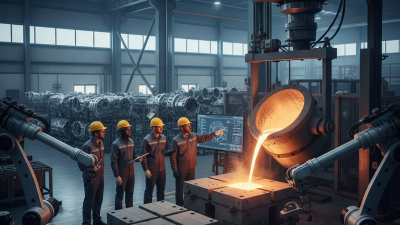
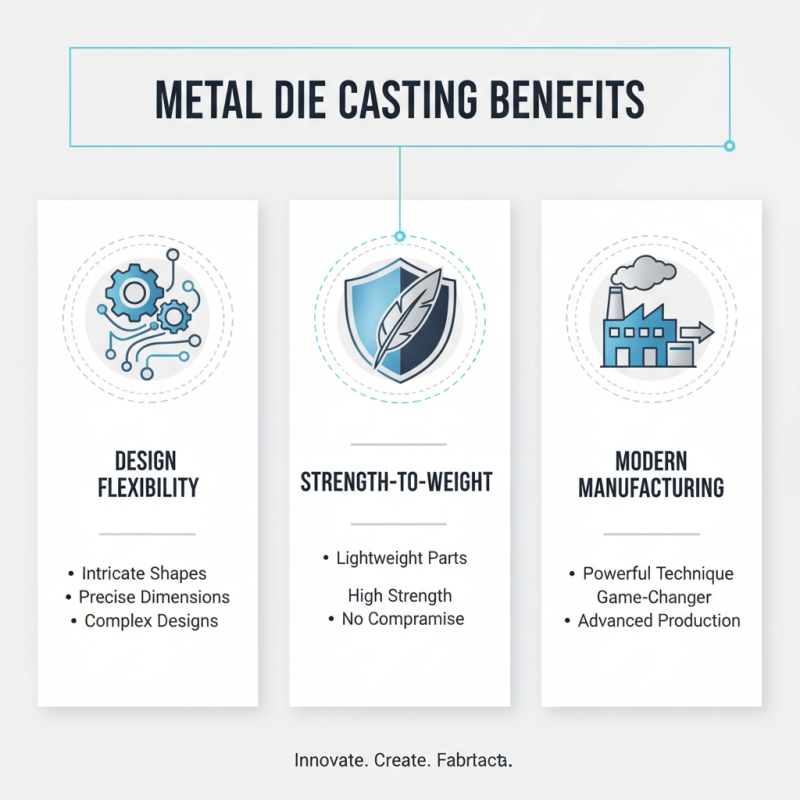
Metal die casting is a vital process in modern manufacturing, particularly for achieving precision and accuracy. This method allows for the creation of intricate shapes with minimal material waste. The process involves forcing molten metal into a mold, which cools and solidifies into the desired form. The dimensions can be controlled carefully, ensuring parts fit perfectly in assembly.
Accuracy in metal die casting leads to reduced assembly time. Each part can be produced to exact specifications. This precision is beneficial for industries requiring detailed components. However, the initial setup can be time-consuming and costly. It is crucial to strike a balance between upfront investment and long-term benefits.
Another advantage is the surface finish. Parts created through die casting often require less finishing work. This aspect not only saves time but also reduces costs. Nonetheless, achieving the desired finish might still require iterative adjustments. Manufacturers must remain vigilant about quality control during production.
Enhanced Production Efficiency Through Metal Die Casting Techniques
Metal die casting has become a pivotal method in modern manufacturing. Enhanced production efficiency is a key advantage of this technique. The process allows for quick production rates, often achieving up to 90% improvement compared to traditional methods. This means shorter lead times and a faster response to market demands.
Advanced die casting techniques enable the creation of intricate designs with high precision. Reports show that manufacturers can achieve tolerances of ±0.05 mm. This precision reduces the need for secondary machining, resulting in cost savings. However, the initial investment in die design and setup can be significant. Companies must weigh these costs against potential long-term savings.
One potential downside is the limitation on material types. While metals like aluminum and zinc perform well, options are more restricted compared to other manufacturing processes. This may not suit every project. Companies often need to reassess their material choices to maximize efficiency. A thoughtful collaboration between design and engineering teams becomes crucial in navigating these challenges.
Cost-Effectiveness and Material Savings in Modern Manufacturing
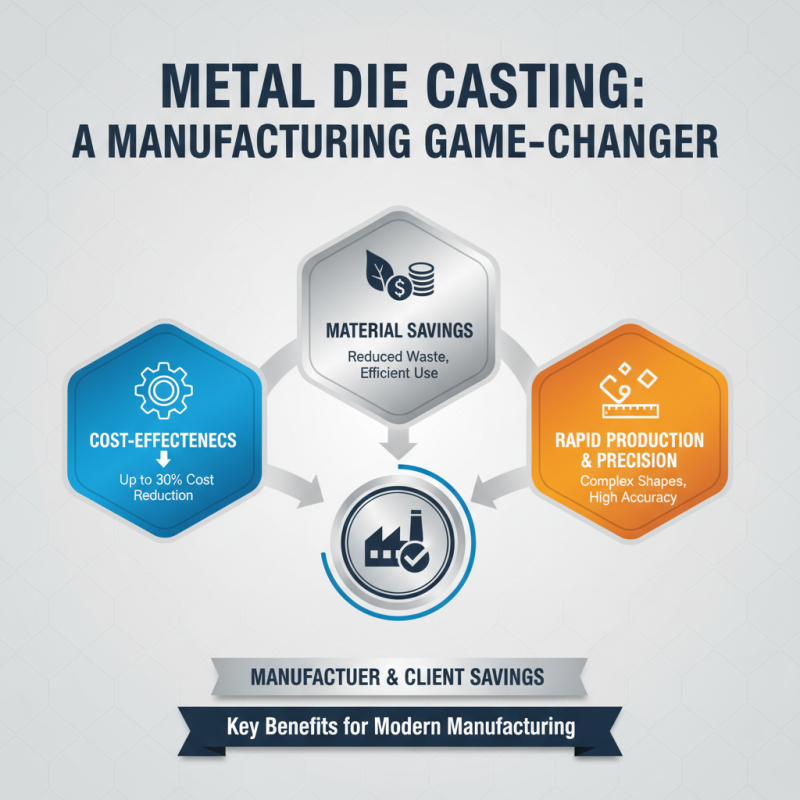
Metal die casting has emerged as a game-changer in modern manufacturing. This process offers significant cost-effectiveness and material savings. According to a recent industry report, manufacturers can reduce production costs by up to 30% when using die casting compared to traditional methods. It allows for the rapid production of complex shapes with high precision. This efficiency translates directly into savings for manufacturers and clients alike.
The material savings are noteworthy. Die casting techniques can utilize up to 90% of the metal during production. This high yield minimizes waste and supports sustainability efforts in manufacturing. A well-designed die can lead to less scrap metal, which is a remarkable improvement. However, one must consider the initial investment for die casting molds, which can be high. The balance of upfront costs versus long-term savings requires careful evaluation.
Moreover, while metal die casting is efficient, there can be imperfections due to the complexity of designs or errors in mold creation. Such issues might require additional time for quality control. Addressing these concerns is crucial in maintaining overall cost-effectiveness. Identifying the right materials and designs during the planning stages can alleviate these challenges and maximize the benefits of this innovative process.
Improved Environmental Sustainability in Die Casting Operations
Metal die casting is evolving, with a strong focus on environmental sustainability. This method uses less energy compared to traditional manufacturing processes. The advancements in technology make it possible to recycle materials effectively. Many manufacturers are exploring ways to reduce waste during the casting process.
Operational efficiency is another concern. Some companies face challenges maintaining production without compromising sustainability. It’s crucial to balance output and eco-friendliness. Adopting cleaner technologies is essential, yet not all manufacturers are on board. Transitioning to sustainable practices requires investment and training, which can be daunting.
Recycling scrap metal drastically lowers resource consumption. It minimizes landfill waste too. This positive shift benefits the environment, but it also demands attention to detail in execution. Some processes still produce emissions that need reduction. Continuous improvement is key. Manufacturers must reflect on their practices to enhance sustainability moving forward.

 +86-13516964051


 CONTACT NUMBER
 CONTACT NUMBER