China Best Aluminum Parts for Quality and Durability Are They Worth the Investment?
In the competitive landscape of manufacturing, the choice of materials can significantly impact quality and durability. Aluminum parts have emerged as a crucial component in various industries. According to industry expert Dr. Jessica Liu, “Investing in high-quality aluminum parts ensures longevity and performance.” Her insight reflects the growing recognition of aluminum's advantages.
Selecting the best aluminum parts can be a daunting task. Factors such as alloy composition and fabrication techniques affect performance. Businesses often grapple with balancing cost and quality. While cheaper alternatives may appear appealing, they may compromise both durability and safety. This raises questions about the long-term value of these parts.
Investing in quality aluminum parts may be worthwhile for lasting results. However, companies need to evaluate their specific needs and budgets carefully. Reflecting on experiences and expert opinions can guide this decision. Ultimately, the right choice can lead to better craftsmanship and enhanced product longevity.
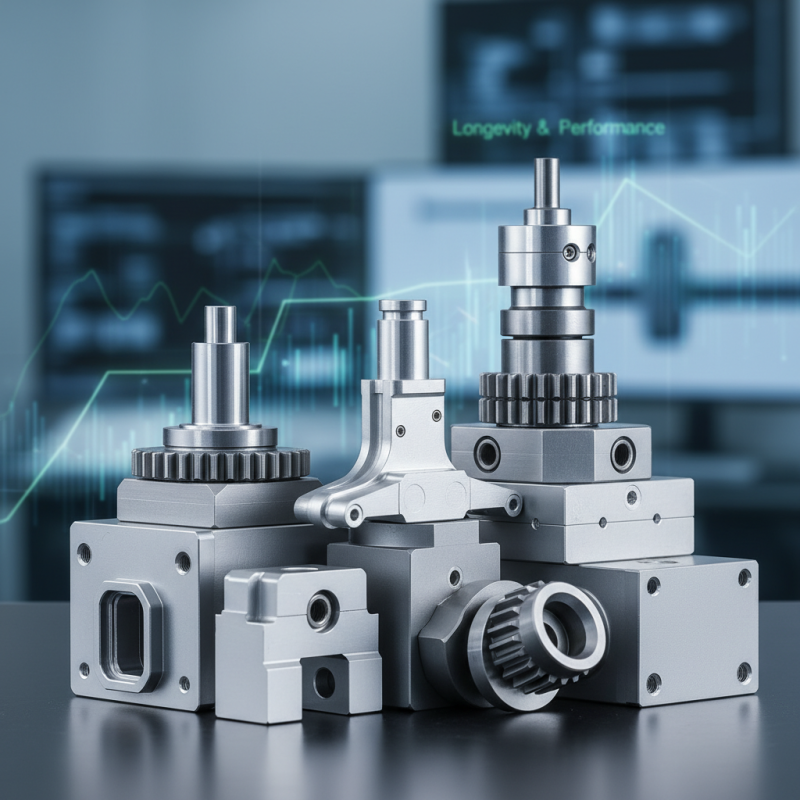
Understanding the Importance of Quality Aluminum Parts in Manufacturing
Quality aluminum parts play a crucial role in manufacturing. Their durability and lightweight properties make them ideal for various applications. In industries like aerospace and automotive, the quality of materials directly impacts performance. Investing in high-quality aluminum parts can lead to significant long-term savings. However, it's essential to weigh the initial costs against potential benefits.
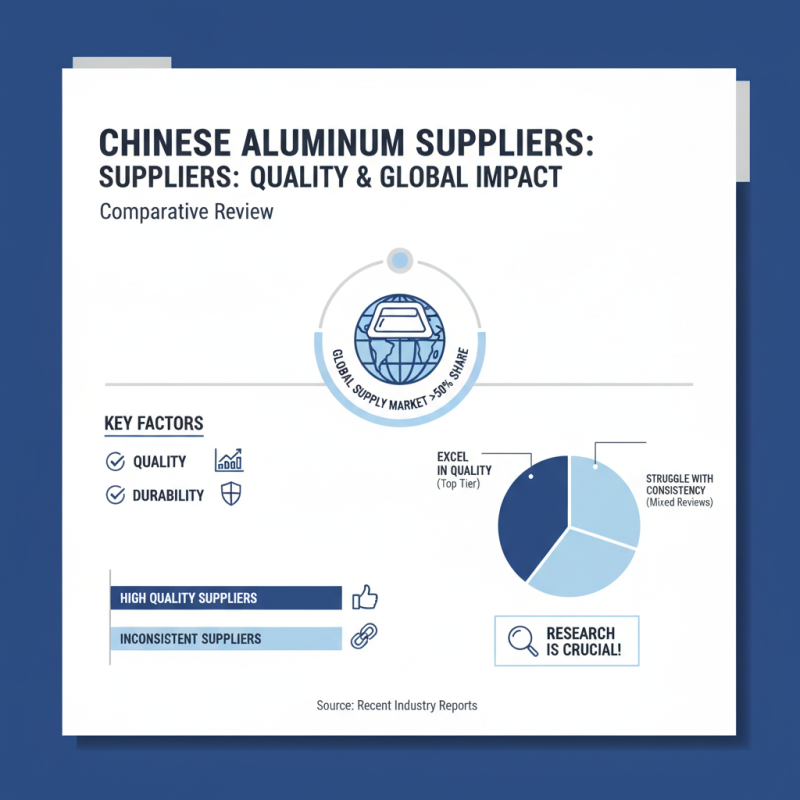
When considering aluminum parts, focus on the quality of materials. High-grade aluminum has better resistance to corrosion and wear. This enhances the lifespan of components. Remember, not all suppliers maintain strict quality standards. Research and choose manufacturers with a solid reputation for producing durable parts. Look for certifications that verify their products meet industry standards.
**Tips:** Always ask for samples before making a bulk purchase. Test them in your specific environment. Ensure suppliers have clear return policies in case of defects. It’s wise to keep an eye on market trends, as new technologies may influence your choices. Evaluate your experiences regularly to adapt your strategies. Are you getting the performance you paid for? Reflecting on this can lead to smarter investments.
Key Features to Consider in Aluminum Parts for Durability
When considering aluminum parts for durability,
three key features stand out:
strength,
resistance to corrosion,
and
weight.
High-quality aluminum alloys can provide exceptional strength without the additional weight.
This characteristic is especially important in applications where every ounce matters.
Lightweight components can lead to improved efficiency and performance in various industries.
Corrosion resistance is another critical factor.
Aluminum naturally forms a protective oxide layer that helps it resist moisture and environmental damage.
However, not all aluminum parts offer the same level of protection.
It is vital to evaluate the coating process and treatments used on the parts.
Poorly treated aluminum can lead to premature failure,
which may negate any investment made.
Finally, the manufacturing process impacts durability.
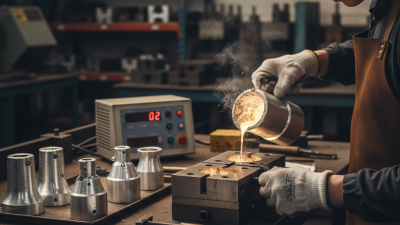
Techniques such as extrusion or die-casting
can influence the final product's integrity.
Flaws can arise from improper handling during production, leading to weaknesses.
Ensuring that the manufacturing process adheres to strict quality control
can significantly enhance the reliability of aluminum parts.
Investing in parts that meet these durability criteria can save costs in the long run by minimizing replacements and repairs.
Cost Analysis: Investing in High-Quality Aluminum Components
When considering investments in aluminum components, cost analysis plays a crucial role. High-quality aluminum parts can deliver exceptional performance and durability. However, the initial investment can be significant. It raises the question: are they worth it?
Investing in top-tier aluminum parts often means lower maintenance costs over time. These components resist corrosion, enhancing longevity. Cheaper alternatives may lead to frequent replacements, which can accumulate additional expenses. Yet, not every high-priced part guarantees superior quality. It’s essential to scrutinize manufacturing processes and materials used.
Many businesses overlook the hidden costs associated with low-quality components. Delays due to failures or additional repairs can erode profit margins. On the flip side, some industries see a fast return on investment with robust parts. The challenge lies in identifying which components genuinely add value. Balancing cost, performance, and reliability requires careful consideration.
Cost Analysis: Investing in High-Quality Aluminum Components
This bar chart illustrates the cost analysis of investing in high-quality aluminum parts compared to lower-quality options. The data showcases the average price per unit and the projected lifespan across three categories: Standard, Premium, and Elite aluminum components.
Customer Testimonials and Case Studies on Aluminum Parts Longevity
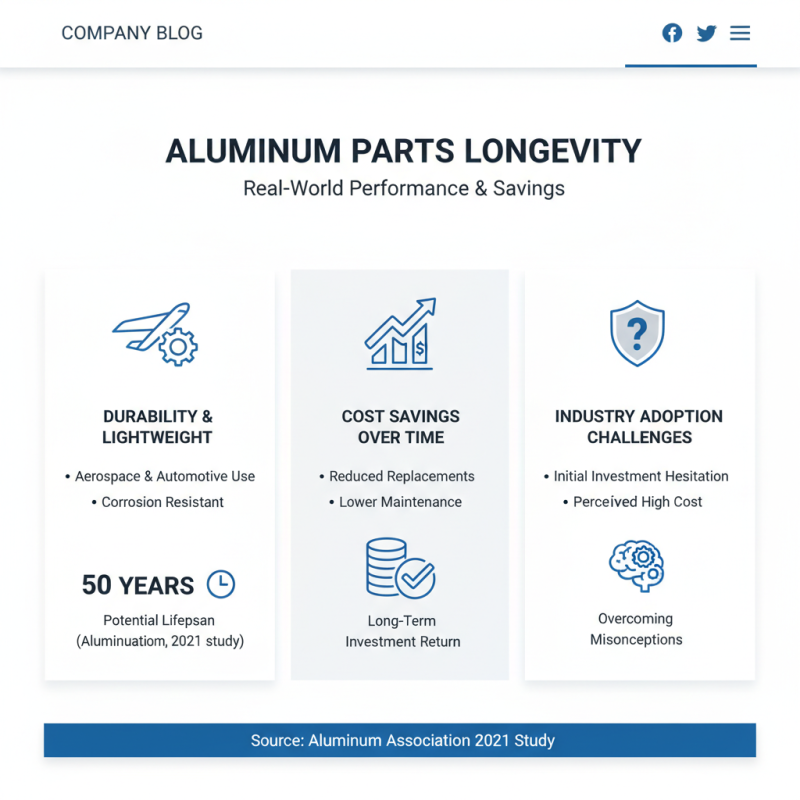
Aluminum parts have gained prominence in various industries due to their remarkable durability and light weight. A 2021 study from the Aluminum Association noted that aluminum components can last up to 50 years in certain applications. This longevity translates to significant cost savings over time, yet many companies hesitate to invest initially.
Customer testimonials reveal mixed experiences. For example, a manufacturer of construction equipment reported that aluminum parts withstood harsh conditions for over a decade. Conversely, another company faced premature wear, raising concerns over quality standards in sourcing. These reflections highlight the importance of choosing reputable suppliers and verifying material specifications.
Case studies further illustrate these contrasting outcomes. One automotive client noted a 30% improvement in vehicle performance after integrating high-quality aluminum parts. In contrast, another firm experienced higher failure rates with lower-grade aluminum alternatives. Data from industry reports indicate that the market for premium aluminum parts is likely to see a 15% growth annually, reinforcing the demand for quality investments. Understanding these nuances is essential for businesses considering aluminum components.

 +86-13516964051


 CONTACT NUMBER
 CONTACT NUMBER