+86-13516964051


Gravity casting is an essential process in the manufacturing industry. It allows for efficient production of metal parts with high precision. According to a recent report by the International Journal of Advanced Manufacturing Technology, the market for gravity casting is projected to grow by 8% annually over the next five years. This growth highlights its crucial role in sectors such as automotive and aerospace.
Expert in the field, Dr. John Thompson, emphasizes that "choosing the right gravity casting technique is vital for maximizing efficiency and product quality." His insights remind us that selecting the appropriate method can significantly impact the final product's integrity. Different techniques, such as low-pressure and permanent mold casting, offer distinct advantages and challenges.
Understanding these nuances can be complex. Each technique has its own set of parameters. Therefore, careful consideration is necessary to align with specific operational requirements. Not all applications may suit every gravity casting method. This variability demands a thorough assessment to ensure the best outcomes. Striving for excellence in gravity casting requires ongoing evaluation and adaptation.
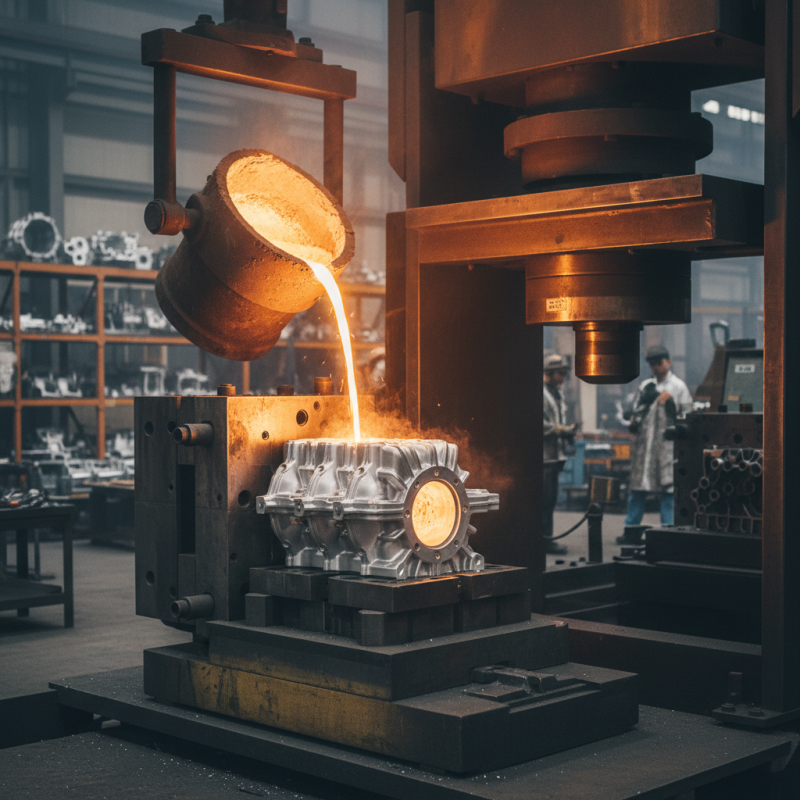
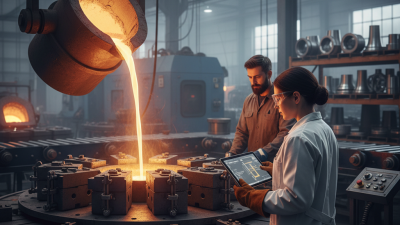
Gravity casting is a widely used manufacturing process. It involves pouring molten metal into a mold due to gravity. This technique is known for producing strong and precise metal components. According to a report by Research and Markets, the global gravity casting market is valued at approximately $15 billion. The demand for lightweight and durable materials drives this growth in various industries.
Understanding the gravity casting process is vital for making informed decisions. The process begins by melting metal, like aluminum or zinc, in a furnace. The molten metal is then poured into the mold, which is often made of steel. Cooling occurs, solidifying the metal into the desired shape. While gravity casting provides excellent dimensional accuracy, it is not without challenges. Some defects may arise during solidification, such as porosity or shrinkage.
Addressing these issues requires expertise. Refining techniques can enhance the quality of the final product. An industry analysis indicates that proper mold design and precise temperature control are critical for minimizing defects. This underscores the importance of selecting skilled professionals with solid experience in gravity casting.
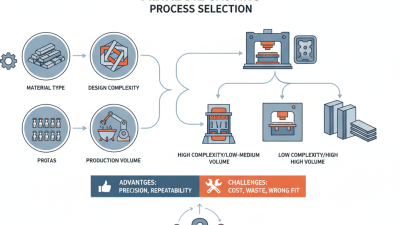
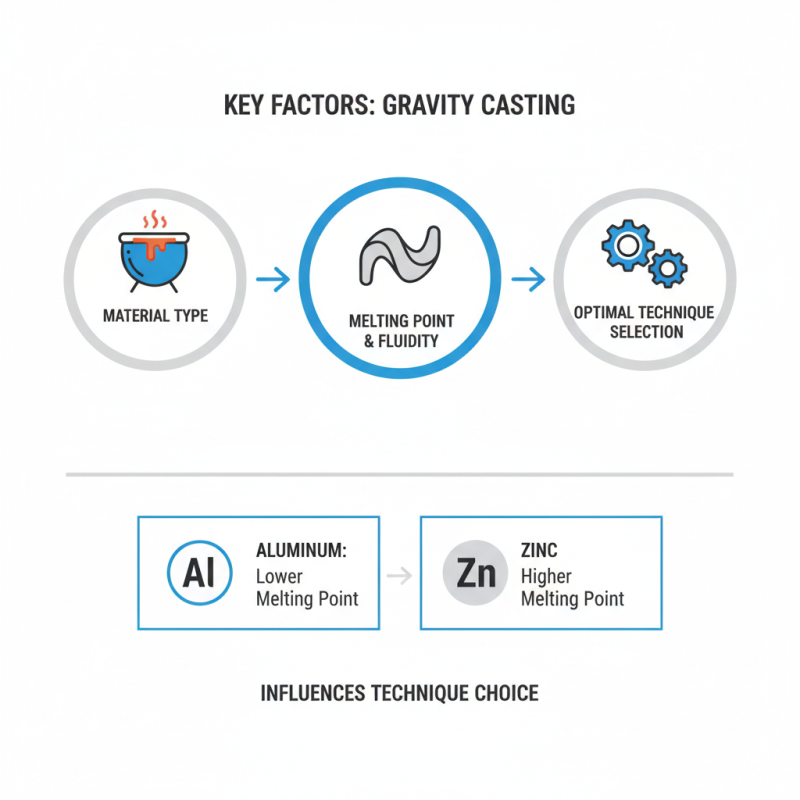
When selecting gravity casting techniques, several key factors come into play. One of the most critical elements is the material being cast. Different alloys have unique melting points and fluidity. Understanding these properties is essential for achieving optimal results. For instance, aluminum has a lower melting point compared to zinc, influencing the choice of technique.
Thickness and complexity of the design also matter. Intricate designs may require more precise approaches. A thicker cast may trap air, leading to defects. It’s crucial to consider how the chosen technique will handle these challenges.
Cost effectiveness is a significant aspect as well. Some methods may entail high initial investments but save on long-term production costs. Balancing budget and requirements requires careful thought. Experimenting with various techniques can reveal inefficiencies. Reflecting on what has worked in the past is vital for future success. Always be prepared to reassess your choices based on evolving needs and materials.
Gravity casting methods have gained popularity in various industries due to their versatility. There are several types to consider, each with unique advantages and disadvantages. Sand casting is one of the most traditional methods. It offers flexibility and is easy to set up. However, it might not yield the finest surface finish. That’s something to think about.
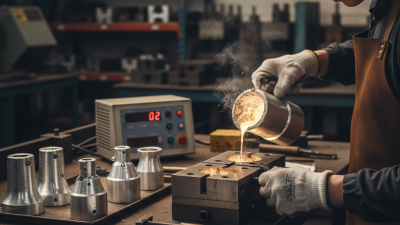
Then there's permanent mold casting. This method uses metal molds, producing more precise components. The heat conduction of metal molds leads to shorter cooling times, which can improve production efficiency. On the downside, initial tooling costs are high, making it less ideal for small batches or prototypes.
Lastly, tilt casting presents another option. This method ensures that molten metal fills the mold cavity uniformly, helping reduce defects. While it offers consistency, it requires special equipment that can strain budgets. Each method serves different needs. Evaluating these methods is crucial for achieving the desired quality and cost-effectiveness.
| Casting Method | Process Description | Material Suitability | Common Applications | Pros | Cons |
|---|---|---|---|---|---|
| Traditional Gravity Casting | Molten metal is poured into molds by gravity. | Aluminum, Zinc, Copper | Automotive parts, Decorative items | Cost-effective, simple setup | Limited detail, slower production |
| Low-Pressure Gravity Casting | Pressure is applied to force the molten metal into the mold. | Aluminum, Magnesium | Aerospace parts, Engine blocks | Less porosity, better surface finish | Higher equipment cost, more complexity |
| Tilt Pour Casting | The mold is tilted to facilitate filling with molten metal. | Aluminum, Bronze | Casting of intricate shapes | Improved metal flow, reduced trapped air | Requires specialized equipment |
| Die Casting with Gravity | Using gravity combined with a permanent mold. | Zinc, Aluminum alloys | High-volume production parts | Fast production rates, high detail | High initial costs, mold limitations |
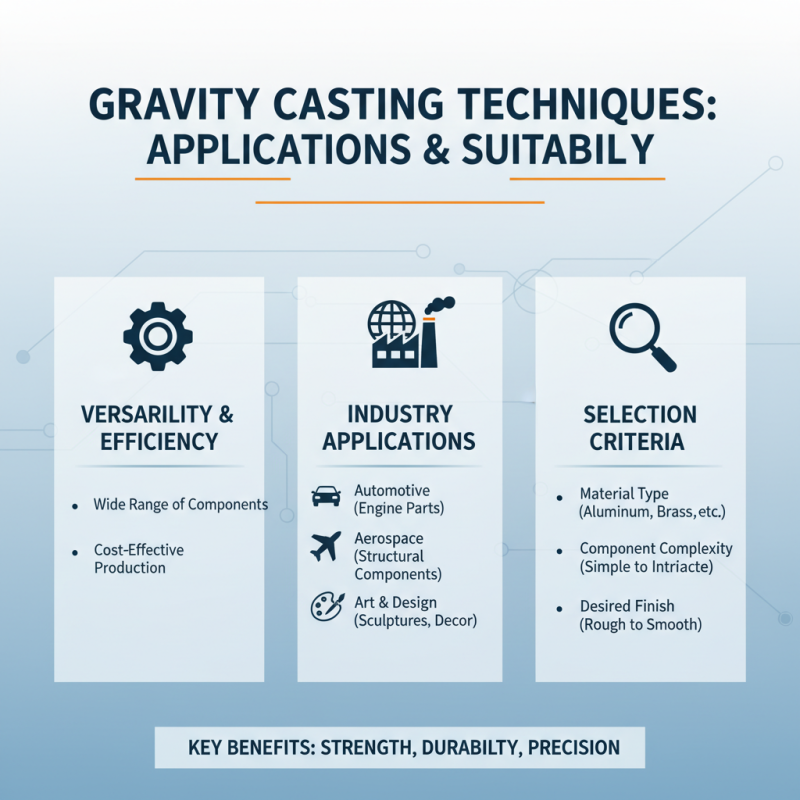
Gravity casting techniques are popular for their versatility and efficiency. These methods can produce a wide range of components. They are used in various industries like automotive, aerospace, and art. The suitability of a specific technique often depends on the material, complexity, and desired finish of the product.
For automotive applications, gravity casting is ideal for making engine blocks and transmission housings. The process allows for intricate designs but requires careful consideration of mold design. In aerospace, lightweight components can be produced effectively using this technique. The ability to handle high-quality metals makes gravity casting a suitable choice for critical parts.
Tips: Consider your project’s specifications when choosing a gravity casting technique. Assess the material properties you need. Also, remember that while gravity casting provides excellent results, it may not be suitable for every application. Some designs may require more advanced casting methods for precision and finish. Understanding your specific needs is key to selecting the right technique.
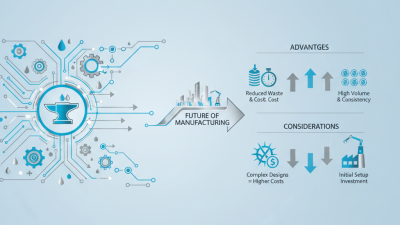
When evaluating cost and efficiency in gravity casting, several factors come into play. The initial investment is crucial. Using high-quality molds often incurs a higher upfront cost. However, these molds can yield better parts over time. A balance needs to be struck between quality and budget. Sometimes, cheaper molds lead to more defects, resulting in higher costs later.
Efficiency also ties into the production speed. Longer cycle times can hinder overall output. It's vital to analyze how quickly parts can be produced without sacrificing quality. Production efficiency increases when technology is used. Automation can save time and reduce labor costs. Yet, the implementation can be complex. Understanding the specific needs of your project helps to clarify the best approach.
Another consideration is material choice. The right alloy can enhance both cost-efficiency and effectiveness. However, not all materials work well in every situation. Testing different combinations can feel overwhelming yet rewarding. Regular evaluations of the processes used can reveal areas for improvement. Adjustments over time will refine both cost and efficiency.