Why Choose Sand Die Casting for Your Manufacturing Needs?
When considering manufacturing processes, one must weigh the benefits of various methods. Sand Die Casting stands out for its adaptability and cost-effectiveness. This technique has been utilized for decades, proving its reliability across many industries.
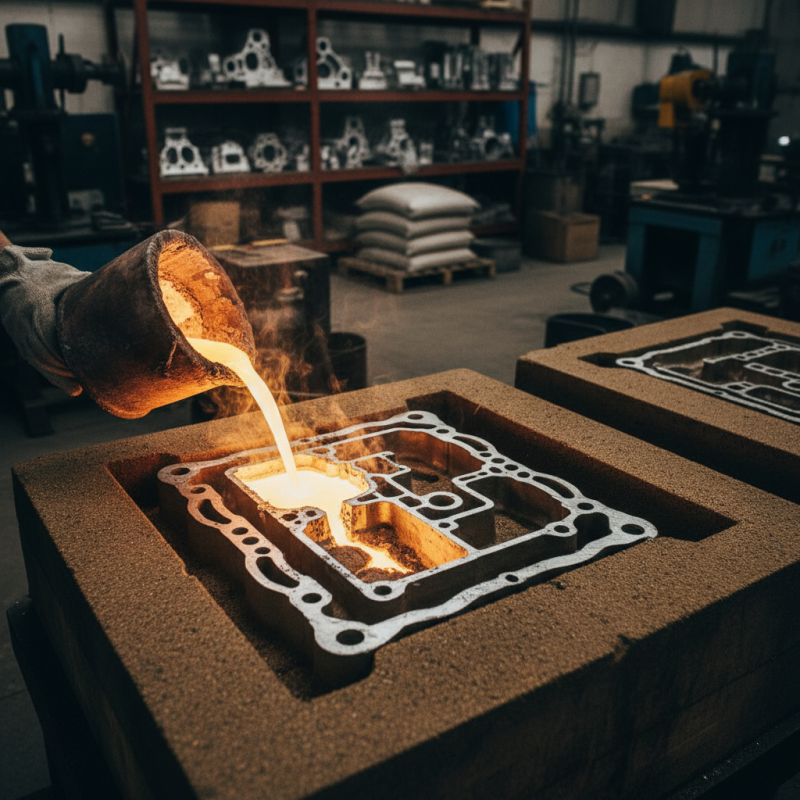
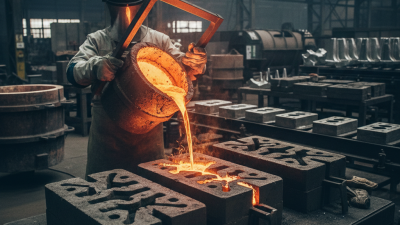
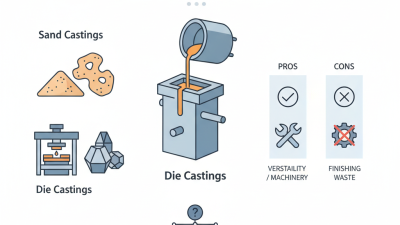
In Sand Die Casting, sand molds are created to form intricate shapes. This process allows for high precision and complex designs. The versatility of materials used in this process widens its application. Whether for automotive parts or intricate art pieces, it serves diverse needs.
However, not all may find this method perfect. Some challenges include mold stability and surface finish. These factors may require additional refining, reflecting a balance between quality and cost. Evaluating these aspects critically ensures that manufacturers make informed decisions. Overall, Sand Die Casting remains a popular choice due to its unique advantages and ongoing innovations.
Advantages of Sand Die Casting in Manufacturing Processes
Sand die casting offers distinct advantages for manufacturing processes. This method allows for intricate designs and is adaptable to various applications. It’s especially effective for producing large components, thanks to its versatility. The use of sand as a mold material enables complex shapes that other methods may struggle with. This feature can lead to unique designs that stand out in any industry.
Another key benefit of sand die casting is its cost-effectiveness. The process requires less investment in tooling compared to other casting methods. Therefore, it’s a popular choice for low to medium production runs. Additionally, the raw materials are widely available, making it a more sustainable option. However, it’s important to note that surface finish quality may vary. This inconsistency can sometimes pose challenges in achieving the desired finish.
The flexibility in material choices is another notable advantage. Manufacturers can use various metals, including aluminum and iron, depending on the application. While this provides options, it also necessitates careful consideration of material properties. Each type of alloy can impact the final product differently, leading to potential reflections on durability and performance. Ensuring the right material match is crucial for success in sand die casting.
Why Choose Sand Die Casting for Your Manufacturing Needs? - Advantages of Sand Die Casting in Manufacturing Processes
| Advantage |
Description |
Typical Applications |
| Cost-Effectiveness |
Sand die casting requires less material and has relatively low tooling costs, making it economical for both low and high production volumes. |
Automotive parts, machinery components |
| Flexibility |
The process allows for various designs and modifications, accommodating a wide range of geometries. |
Prototype parts, custom components |
| High Durability |
Cast parts are inherently strong and can withstand high levels of stress. |
Construction equipment, tools |
| Fine Detail |
Sand casting can produce complex shapes and intricate designs, allowing precision in dimensions and details. |
Artistic sculptures, detailed parts |
| Sustainability |
The materials used in sand die casting can often be recycled, reducing waste and environmental impact. |
General manufacturing, eco-friendly products |
Applications of Sand Die Casting in Various Industries
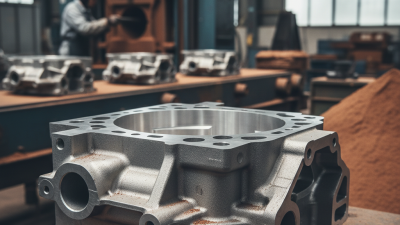
Sand die casting is widely used in diverse industries due to its unique properties. This process involves creating molds from sand to produce various metal parts. One key application is in the automotive industry. Many automotive components, like engine blocks and transmission cases, benefit from sand die casting. This method allows for intricate designs and lightweight structures, essential for vehicle efficiency.
In the aerospace sector, sand die casting plays a vital role. Aircraft engines often require parts that need to withstand high temperatures and pressures. Using sand molds, manufacturers can produce durable components while optimizing weight. This balance improves aircraft performance and fuel efficiency.
Tips for ensuring quality in sand die casting include focusing on mold design and sand quality. Poorly designed molds may lead to defects in cast products. Maintaining consistent sand grain size is crucial for achieving the desired surface finish. Proper inspection techniques can also help identify potential issues early in the process. Investing time in these details can reduce waste and improve product reliability.
The Cost-Effectiveness of Sand Die Casting for Mass Production
Sand die casting stands out for its cost-effectiveness in mass production. This method utilizes sand molds, offering flexibility at lower costs. According to a recent industry report, companies can reduce production expenses by up to 30% compared to traditional metal casting processes. This cost efficiency appeals to manufacturers looking to optimize their budgets.
Moreover, sand die casting allows for rapid prototyping. It facilitates quick adjustments during the production process. A study published by the International Journal of Advanced Manufacturing Technology notes that the process speed can be increased by 20% when using sand molds. This rapid turnaround is vital for companies striving to meet tight deadlines.
Challenges exist in sand die casting. Sand molds may wear out quickly, leading to inconsistencies in product quality. Maintaining production standards requires attention to detail. Regular inspections and adjustments can mitigate these issues. Overall, while sand die casting offers clear benefits, it requires careful management to ensure long-term effectiveness.
Comparison of Sand Die Casting with Other Metal Casting Methods
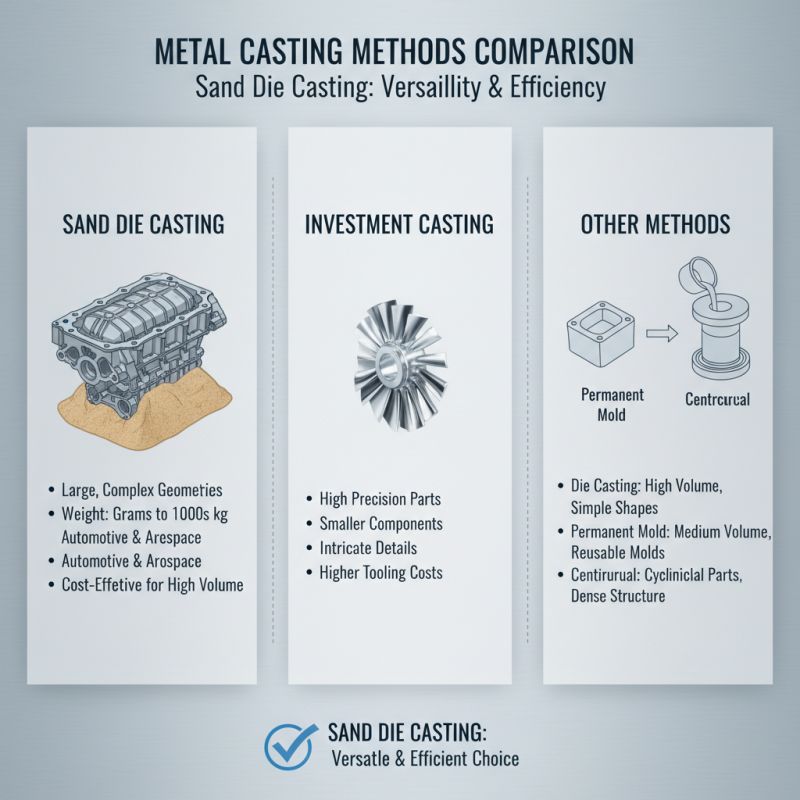
Sand die casting stands out among various metal casting methods for its versatility and efficiency. Unlike investment casting, which is better suited for high-precision parts, sand die casting allows for larger, more complex geometries. Research indicates that sand casting can effectively produce parts weighing anywhere from grams to thousands of kilograms. This capability is beneficial in industries like automotive and aerospace, where component sizes vary significantly.
Cost-effectiveness is another noteworthy advantage. According to industry reports, sand die casting typically has a lower initial setup cost compared to die casting methods using permanent molds. This makes it an attractive option for batch production. However, care must be taken with surface finish quality. While sand casting often results in a rougher surface, advancements in technology are narrowing this gap. Moreover, some manufacturers still face challenges with dimensional accuracy, which can lead to costly rework.
In terms of material compatibility, sand die casting offers flexibility. It accommodates various metals, including aluminum and iron. However, the heat treatment of cast parts can vary, affecting their strength and resilience. Overall, choosing the right method depends on specific project requirements. Balancing cost, material properties, and production needs is vital for successful outcomes.
Key Considerations When Choosing Sand Die Casting for Projects
When considering sand die casting, several key factors emerge. This method is known for its versatility and cost-effectiveness. It allows for complex geometries and can accommodate large production runs. The ability to create intricate designs makes it appealing for various industries. However, understanding the limitations is crucial. Surface finish may not be as refined as other methods.
Material selection plays a vital role in the success of your project. Sand die casting works well with metals like aluminum and magnesium. Yet, using more exotic materials can lead to challenges. It's essential to evaluate the properties required for your specific application. Some materials may not perform well, affecting durability and functionality.
Moreover, the expertise of the foundry is a significant factor. A skilled team can navigate the intricacies of the casting process. Their experience directly influences the final product's quality. It’s important to assess their background and past projects. Don’t hesitate to ask for examples and references. The right partnership can elevate your project, while inadequate collaboration may lead to costly mistakes. Always prioritize clear communication to set expectations.
Advantages of Sand Die Casting
This chart illustrates the key advantages of using sand die casting for manufacturing projects, including Cost, Durability, Customization, and Production Speed.

 +86-13516964051


 CONTACT NUMBER
 CONTACT NUMBER