2026 How to Choose the Best Aluminum Alloy Die Casting Solutions?
In the realm of manufacturing, choosing effective solutions for Aluminum Alloy Die Casting is crucial. This process not only influences product quality but also impacts operational efficiency. According to a recent report from the Aluminum Association, demand for aluminum die casting is expected to grow by 4.5% annually through 2026. Industry experts emphasize the importance of material selection in this growth. John Smith, a leading figure in die casting technology, stated, "Selecting the right aluminum alloy is key to enhancing performance and durability."
The array of aluminum alloys available offers various benefits and trade-offs. For instance, while some alloys have excellent fluidity, others may provide greater strength. It is essential to understand these nuances to make informed decisions. Reflecting on the challenges, companies often struggle with balancing cost and quality.
Furthermore, understanding end-use applications can guide the selection process. For example, automotive components demand high-strength alloys that withstand extreme conditions. Yet, the constant evolution of technologies and market needs adds complexity. This makes it imperative for manufacturers to stay updated on the latest insights and innovations in Aluminum Alloy Die Casting.
Understanding Aluminum Alloys: Key Properties for Die Casting Applications
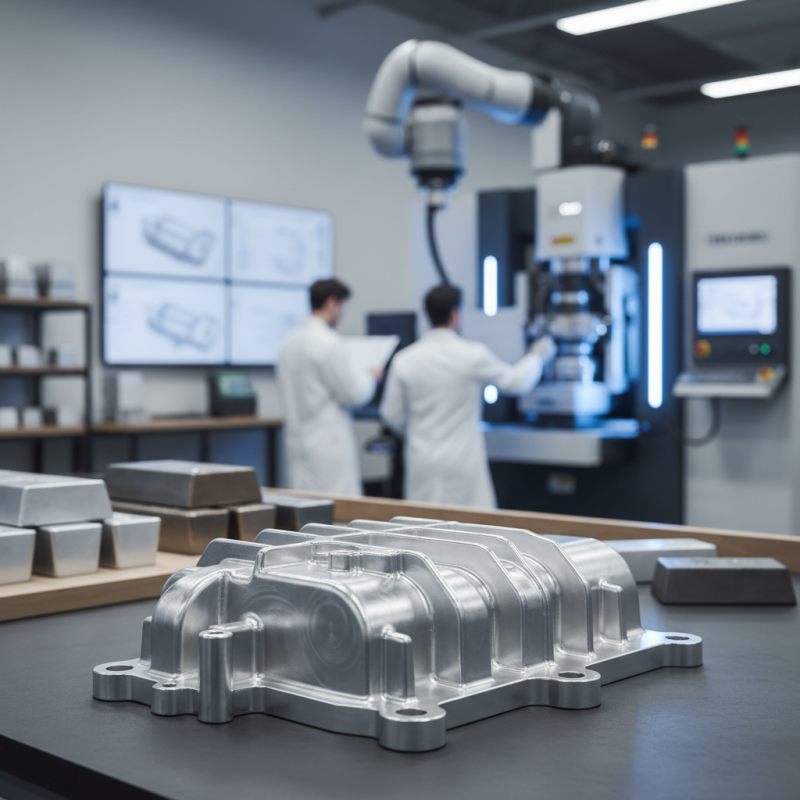
When it comes to aluminum alloys for die casting, understanding their key properties is crucial. Aluminum alloys vary significantly in composition, influencing their strength, corrosion resistance, and melting point. The most common alloys used in die casting include 413 and 383. These alloys are favored for their fluidity and ability to fill intricate molds. However, the right choice depends on factors like the specific application and end-use requirements.
In die casting applications, thermal conductivity is another vital property. Alloys with higher thermal conductivity can enhance the cooling process, reducing cycle times. This aspect is essential for producing parts with consistent dimensions. Yet, achieving the perfect balance between conductivity and mechanical strength can be challenging. Some alloys may excel in one area but fall short in another, prompting manufacturers to assess trade-offs carefully.
It's also important to consider the potential for defects during the casting process. Issues like porosity or incomplete fills can arise if the wrong alloy is selected. Therefore, a thorough understanding of aluminum alloys and their behaviors is necessary for successful die casting. As technology evolves, staying informed about advancements can enhance decision-making in alloy selection.
Evaluating Die Casting Techniques: Gravity vs. Pressure Die Casting
When evaluating die casting techniques, it is crucial to compare gravity and pressure die casting to identify the most suitable method. According to a recent industry report, gravity die casting accounts for approximately 25% of the die casting market. This method is simpler and cost-effective, ideal for low-volume production. It utilizes gravity to fill the mold, creating less complex shapes. However, it may lack the precision driven by high volumes or intricate designs.
On the other hand, pressure die casting dominates with around 75% market share, enhancing efficiency and detail. This technique injects molten aluminum under high pressure, ensuring a denser and more uniform product. Studies show pressure die casting can achieve tolerances as tight as ±0.5 mm, vital for sectors like automotive and aerospace where precision is non-negotiable. Yet, the initial setup costs and complexity can be a barrier for smaller projects. Balancing cost versus quality is an ongoing challenge for manufacturers.
It's important to note that both methods have limitations. Gravity die casting might lead to defects such as porosity. Pressure die casting could require extensive modifications if molds wear down quickly. Careful design and material selection are essential to mitigate these issues, ensuring the right choice aligns with production goals and budget constraints.
2026 How to Choose the Best Aluminum Alloy Die Casting Solutions? - Evaluating Die Casting Techniques: Gravity vs. Pressure Die Casting
| Dimension |
Gravity Die Casting |
Pressure Die Casting |
| Cost |
Lower initial cost for molds |
Higher initial cost for molds |
| Production Rate |
Slower, batch processing |
Faster, continuous production |
| Complexity of Shapes |
Limited to simpler shapes |
Can produce complex shapes |
| Surface Finish |
Good surface finish |
Excellent surface finish |
| Material Waste |
Higher waste due to trimming |
Lower waste, near net shape production |
| Typical Applications |
Low volume production, large components |
High volume production, intricate components |
Key Performance Indicators: Assessing Quality in Die Cast Aluminum
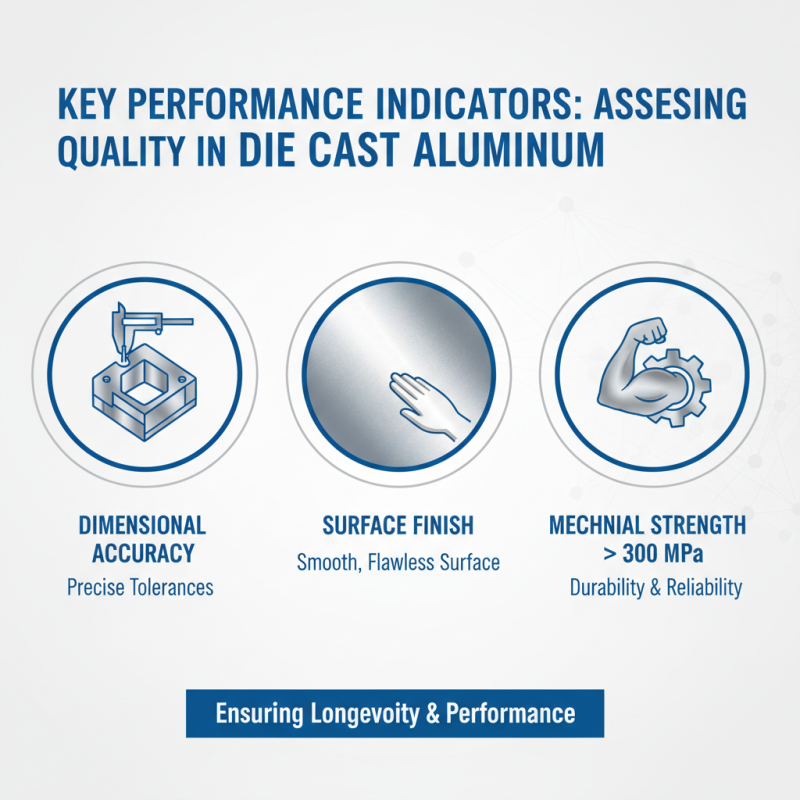
When selecting aluminum alloy die casting solutions, performance indicators are crucial. An ideal die casting should exhibit high dimensional accuracy, excellent surface finish, and consistent mechanical properties. According to industry reports, aluminum alloys used in die casting can achieve tensile strengths exceeding 300 MPa. This key factor influences the longevity and reliability of the final product.
One must assess the defects that may arise during the casting process. Common issues include porosity and surface roughness, which can adversely affect the performance of the cast. Understanding the causes of these defects can lead to improved production techniques. A study revealed that adapting cooling rates can reduce porosity by up to 50%. Data analytics can help identify trends, suggesting areas for improvement.
Tips: Focus on the alloy's composition. The specific elements in aluminum alloys will affect their performance. Additionally, proceed with careful inspection of each batch. Regular quality checks are essential in maintaining standards. Consider investing in training for teams to enhance their skills in defect recognition and management. With the right approach, achieving high-quality castings becomes more attainable.
Cost Analysis: Budgeting for Aluminum Alloy Die Casting Solutions
When considering aluminum alloy die casting solutions, cost analysis is crucial. Start by estimating your budget. Understand the factors influencing costs.
Material quality, complexity, and production volume play significant roles.
Evaluating different processes helps make informed decisions. For instance, die design impacts initial expenses. High-quality dies might require more upfront investment but can lead to better long-term value.
Analyze potential production issues.
Rework and defective parts can inflate costs.
It's important to monitor the entire lifecycle of your project. Look at both short-term and long-term costs. Sometimes, cheaper options can lead to higher maintenance fees.
Reflect on the value of investing in reliable suppliers who prioritize quality. This can save funds over time. Take time to gather data and adjust your budget as necessary.
Sustainability in Die Casting: Recycling and Environmental Impact Considerations
Sustainability is a pressing concern in the die casting industry. Aluminum die casting holds significant potential for reducing environmental impact. Studies indicate that nearly 75% of aluminum produced is still in use today, thanks to effective recycling processes. When recycled, aluminum can save up to 95% of the energy required to create new aluminum from raw materials.
However, the die casting sector faces challenges. The energy-intensive processes contribute to a substantial carbon footprint. A report by the Aluminum Association reveals that the industry's greenhouse gas emissions account for about 10% of total emissions in metal manufacturing. This figure necessitates a commitment to innovation and eco-friendly practices.
Recycling is one of the most promising strategies. By integrating extensive recycling programs, companies can lessen their reliance on primary aluminum. Yet, there remains room for improvement. Many facilities still struggle with inconsistent recycling rates. This inconsistency highlights the need for better policies and practices that promote sustainable operations within the industry. A focus on these areas may pave the way for a greener future.

 +86-13516964051


 CONTACT NUMBER
 CONTACT NUMBER