How to Choose the Best Sand Manufacturing Machine for Your Needs?
Choosing the right Sand Manufacturing Machine is crucial for any project. This equipment plays a vital role in determining the quality and efficiency of sand production. With numerous options available, making an informed choice can be daunting.
Consider your specific needs, such as production capacity and desired sand quality. Many machines have varying features that cater to different requirements. It's essential to evaluate each option carefully. Seek expert advice when necessary. A reliable Sand Manufacturing Machine can significantly enhance productivity and reduce costs in the long run.
However, not all machines will fit every operation. Some may fall short of expectations. Researching user reviews can provide insight into real-world performance. Make sure the machine you choose is suited for your material and environment. Understanding these factors is key to making a wise investment.
Understanding Your Sand Manufacturing Needs
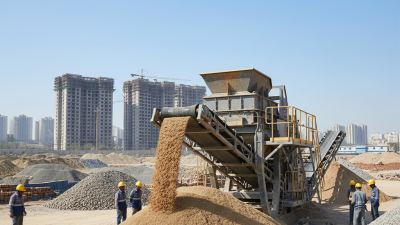
When selecting a sand manufacturing machine, it's crucial to understand your specific needs. Assess the type of sand you intend to produce. Different applications require varying grain sizes and shapes. For instance, construction sand is typically coarse, while fine sand may be needed for glass production. Recognizing the end use of the sand helps guide your machine choice.
Additionally, consider the scale of your operation. Are you producing for a small project or a large construction site? The required output will influence the machinery you select. Larger operations may necessitate high-capacity machines, often with a more complex setup. Don't overlook maintenance requirements as well. Machines that are hard to maintain can lead to increased downtimes.
Budget is another important factor. Quality machines may have higher upfront costs but could offer better longevity and reliability. Evaluate what aspects are most critical for your goals. Will you prioritize initial cost, or are you willing to invest more for efficiency and durability? Reflecting on these points ensures you choose a machine that truly aligns with your manufacturing goals.
Types of Sand Manufacturing Machines Available
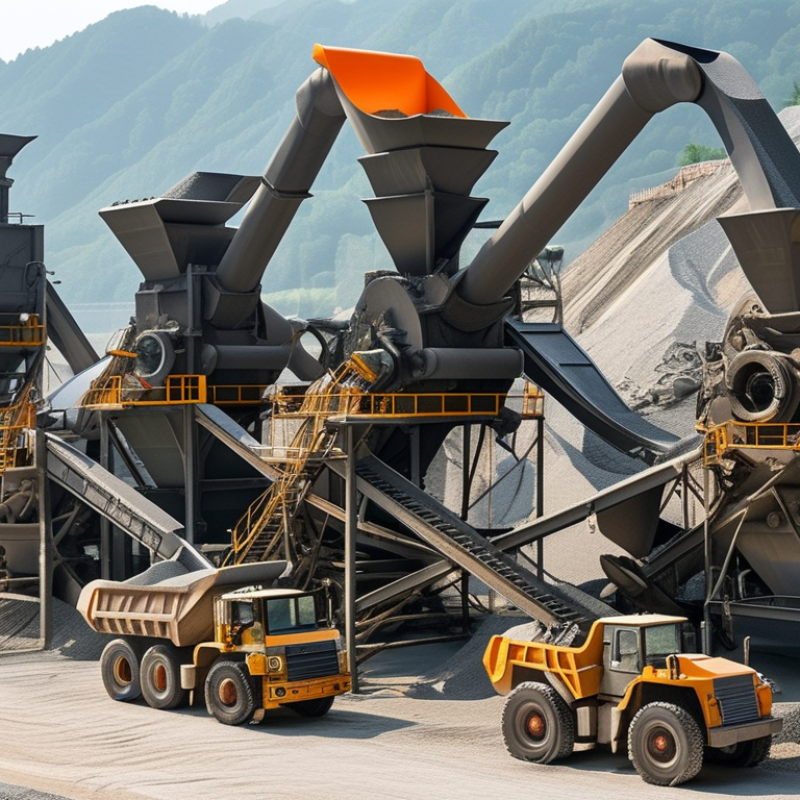
When choosing a sand manufacturing machine, it's crucial to understand the different types available. The market presents several options, each with unique features and capabilities. Most commonly, there are VSI (Vertical Shaft Impact) machines and hammer mills. VSI machines focus on making fine sand, often used in concrete applications. Their energy efficiency has improved, with studies indicating a reduction of up to 30% in energy consumption over the last decade.
Hammer mills, on the other hand, are designed for coarser sand production. They operate at high speeds to crush materials, and their maintenance needs should not be overlooked. Research indicates that improper maintenance can lead to a 15% decrease in efficiency over time. Understanding these machines' operational requirements is vital in optimizing production.
Another option is the cone crusher, valued for its capability in producing high-quality sand. This machine can combine both functions, offering versatility. However, it may have a higher initial cost. The choice between these machines depends heavily on the intended use and production goals. Each type has trade-offs, requiring careful reflection on long-term needs and operational costs.
Types of Sand Manufacturing Machines and Their Capacities
Key Features to Consider in a Sand Manufacturing Machine
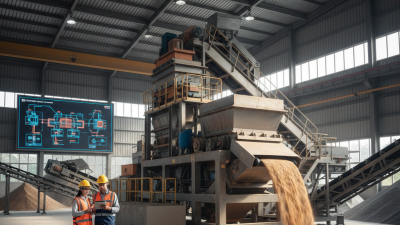
When selecting a sand manufacturing machine, technology plays a crucial role. Efficient machines are typically equipped with advanced features like high crushing ratios and better particle shape. These features ensure that you get quality sand that meets specific construction standards. Look for machines that offer adjustable settings for size and shape. This flexibility can greatly enhance the usefulness of the equipment.
Consider the machine's energy efficiency as well. A machine that consumes less energy is not only environmentally friendly, but it also reduces operational costs. Features like automatic shut-off can help save energy during idle times. Additionally, check the machine's maintenance requirements. Models that are easy to maintain will save you time and resources in the long run.
Another important aspect is the machine’s ability to handle various materials. Some machines are versatile, processing different types of aggregates effectively. Yet, be cautious; versatility may come at the cost of efficiency. It’s essential to understand your specific needs before making a decision. Balancing quality, efficiency, and versatility creates a more dependable sand manufacturing process. Ensure that the choice you make aligns closely with your operational goals.
Comparing Costs and Efficiency of Different Machines
When evaluating sand manufacturing machines, costs and efficiency are key factors. The price of a machine can vary significantly based on its design, technology, and output capacity. A well-designed machine may have a higher initial cost, but it often pays off in terms of durability and reduced operational costs over time. Investing in a machine that minimizes waste and maximizes production efficiency can lead to substantial savings.
Efficiency can also be measured in how much sand a machine produces per hour. Machines with advanced technology may have higher production rates. However, they might require more maintenance, which adds to long-term costs. It's essential to analyze the trade-offs between upfront expenses and operational efficiency. Take into account local resources and the availability of skilled labor when deciding the best fit for your needs.
User reviews and expert consultations can provide valuable insights during your selection process. Some machines appear efficient on paper but may not perform well in real-world conditions. Evaluate all specifications critically. Understand the maintenance requirements as well; a machine might seem affordable but can incur hidden costs later. Gather information from multiple sources and assess them objectively for a well-rounded decision.
Maintenance and Support Options for Your Chosen Machine
Maintenance is crucial for sand manufacturing machines. Regular upkeep ensures efficiency and longevity. Neglecting maintenance can lead to breakdowns, affecting productivity. It's important to create a routine maintenance schedule. This should include inspections, cleaning, and replacing worn parts. Keeping a detailed log of maintenance activities can help track issues.
Consider the type of support offered. Some machines come with manufacturer warranties, while others may have limited service options. Evaluate your long-term needs. Access to expert support can make a significant difference during repairs. Check if online resources, like manuals or troubleshooting guides, are available. These can save time when issues arise.
Here are some tips:
1. Always follow the manufacturer’s maintenance guidelines.
2. Invest in training for your team to handle basic repairs and operations.
3. Build a relationship with a reliable technician for complex repairs.
Staying proactive can prevent costly downtime. Machines are an investment. Treat them with care for optimal results.

 +86-13516964051


 CONTACT NUMBER
 CONTACT NUMBER