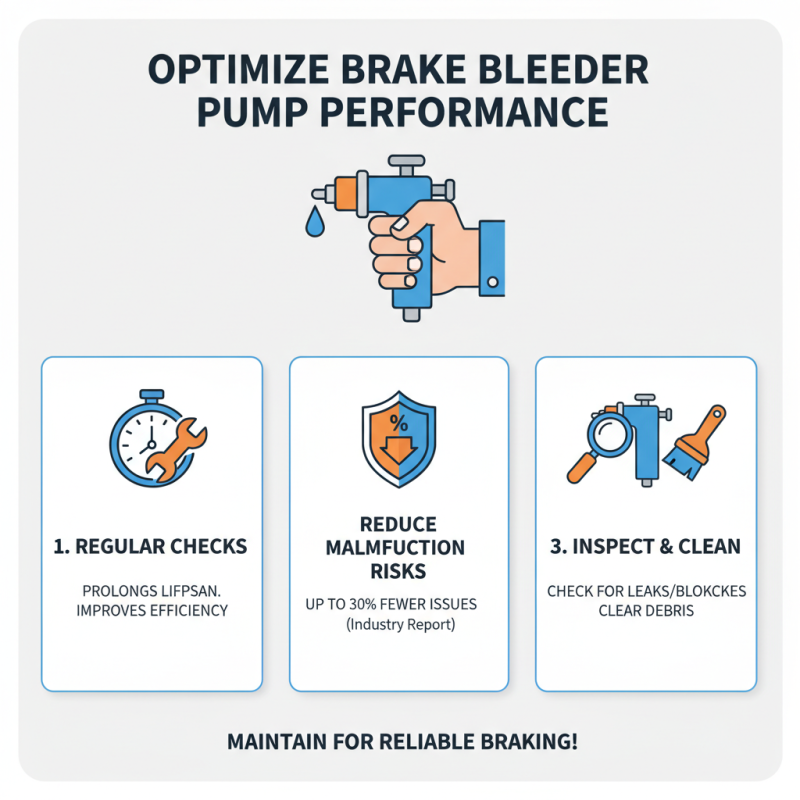
How to Use a Brake Bleeder Pump Effectively?
Using a Brake Bleeder Pump can be an essential task for vehicle maintenance. Many car owners overlook this vital process. Neglecting brake bleeding can lead to decreased brake performance and safety issues. A Brake Bleeder Pump helps remove air bubbles from brake lines. This ensures optimal brake fluid flow and responsiveness.
When using a Brake Bleeder Pump, it is crucial to follow proper steps. Many people struggle with the pressure needed during this process. Some may accidentally create a mess or spill fluid. It's essential to be cautious, as brake fluid can damage car paint.
With a little practice, you can master the use of a Brake Bleeder Pump. Be prepared for potential challenges along the way. Each attempt may not yield perfect results, but learning from mistakes will improve your technique. Patience is key when dealing with such a critical component of your vehicle.
Understanding the Basics of Brake Bleeder Pumps
Understanding how a brake bleeder pump works is crucial for effective use. This tool is designed to remove air from the brake lines. Air can lead to reduced braking power and a spongy brake pedal. Using a brake bleeder pump ensures that your braking system is completely filled with fluid.
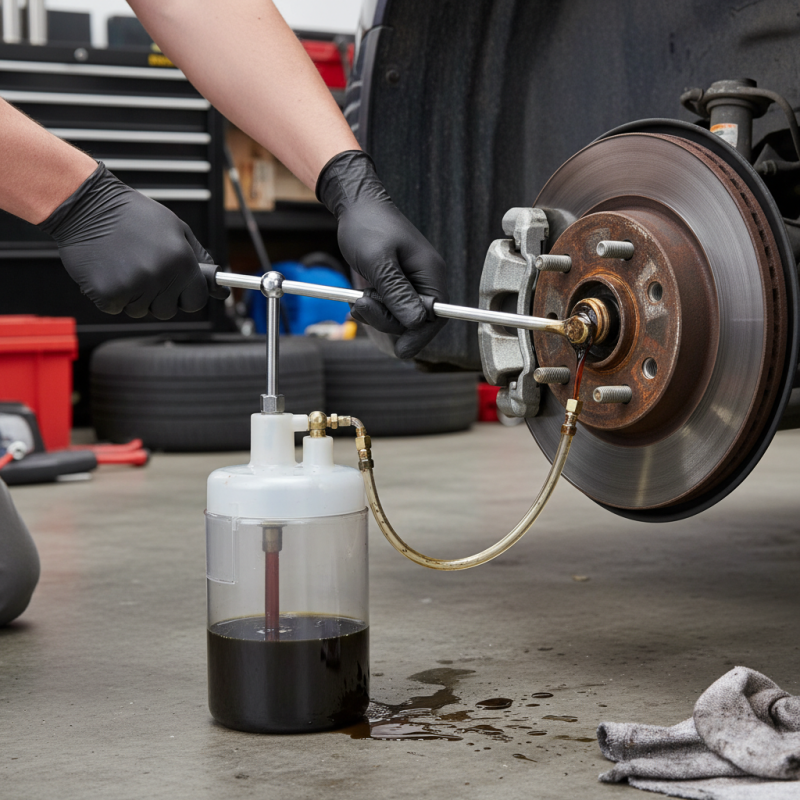
To start, connect the pump to the brake bleeder valve. Make sure all components are clean. It's important to keep the brake fluid reservoir topped off during the process. This will prevent new air from entering the system. Pumping the brake bleeder can be tricky. Sometimes, the fluid flows unevenly, and air bubbles may remain. Take your time and check often.
It’s easy to overlook small details during this process. Ensure the hose is properly secured to prevent leaks. Monitor the color of the fluid—dark fluid may indicate contamination. Practice makes perfect. Each attempt can reveal new issues that need addressing. Review your process to improve future performance. Learning from mistakes can enhance your skills with brake bleeder pumps.
Necessary Tools and Equipment for Effective Brake Bleeding
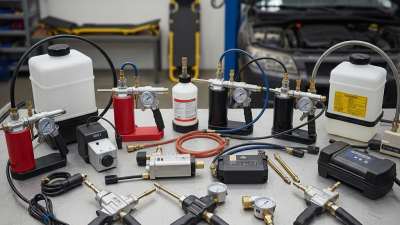
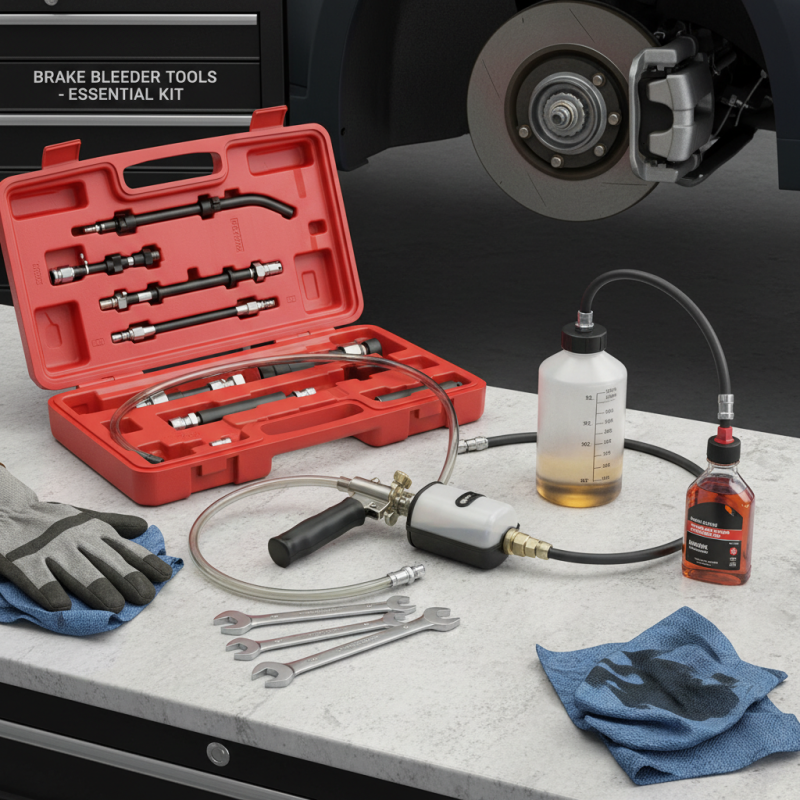
When bleeding brakes, having the right tools is crucial. A brake bleeder pump is essential for removing air from the brake lines. You will need a variety of items to ensure an efficient process. Basic tools include a brake bleeder kit, a wrench for removing bleeder screws, and a fluid catch container. Studies show that 70% of brake bleeding issues arise from inadequate tools.
Having quality brake fluid is equally important. Fluid choice can impact performance. For example, DOT 3, DOT 4, or DOT 5.1 fluids have different boiling points and chemical properties. Ensure the fluid is clean and fresh. Old or contaminated fluid can lead to brake failure.
Some DIY experts often overlook the need for safety gear. Gloves and goggles should not be ignored. Brake fluid can cause skin and eye irritation. Additionally, a reliable assistant can make the process smoother. While self-bleeding is possible, teamwork can enhance efficiency and minimize mistakes. Aim for clarity in your approach.
Step-by-Step Instructions for Using a Brake Bleeder Pump
Using a brake bleeder pump can seem daunting, but it's quite straightforward. Gather your tools first. You'll need a clean brake fluid reservoir, the pump, and a wrench. Start by ensuring your vehicle is safely elevated. Wear protective gloves to avoid fluid exposure.
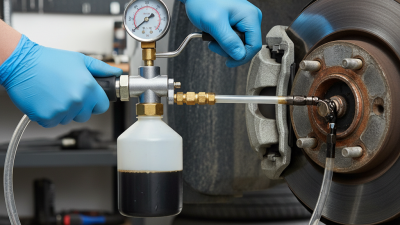
Next, locate the brake bleeder valves on each wheel. They are usually on top of the calipers. Attach the pump to the valve and tighten it for a secure fit. Begin pumping slowly to create a vacuum. Watch for bubbles in the fluid. If you see them, air is escaping. This can take time. Don’t rush through it.
After a few minutes, check the fluid level in the reservoir. It should remain full to prevent air from re-entering the system. If low, top it off. Remember, not all pumps are universal. Some may require adjustments. It’s also crucial to be aware of the brake fluid's corrosiveness. Clean up any spills immediately.
Brake Bleeder Pump Usage Data
This chart represents the efficiency of a brake bleeder pump based on various tested conditions, including the amount of fluid bled (in milliliters) under different pressure settings (in psi).
Common Mistakes to Avoid When Bleeding Brakes
When bleeding brakes, many encounter common pitfalls that can lead to frustration. One mistake is not ensuring the brake fluid reservoir is full. If it runs dry during the process, air can enter the system. This usually results in a spongy brake pedal. Always check fluid levels before starting.
Another frequent error is improper sequencing of the brake bleeder. Skipping wheels or bleeding out of order can result in inconsistent brake performance. For a standard setup, start with the brake furthest from the master cylinder. Follow a logical sequence and don’t rush this critical step.
Tips: Use new brake fluid to avoid contamination. Old fluid can trap moisture, leading to corrosion. Keep the bleeder clean and free of dirt. A dirty environment will compromise your efforts. And remember, practice makes perfect—take time to understand your system before you begin bleeding.

 +86-13516964051


 CONTACT NUMBER
 CONTACT NUMBER