Exploring the Impact of Vacuum Boosters on China's Automotive Industry
The automotive industry in China is undergoing significant changes. One key innovation is the Vacuum Booster. This device plays a crucial role in enhancing braking systems, making vehicles safer and more efficient.
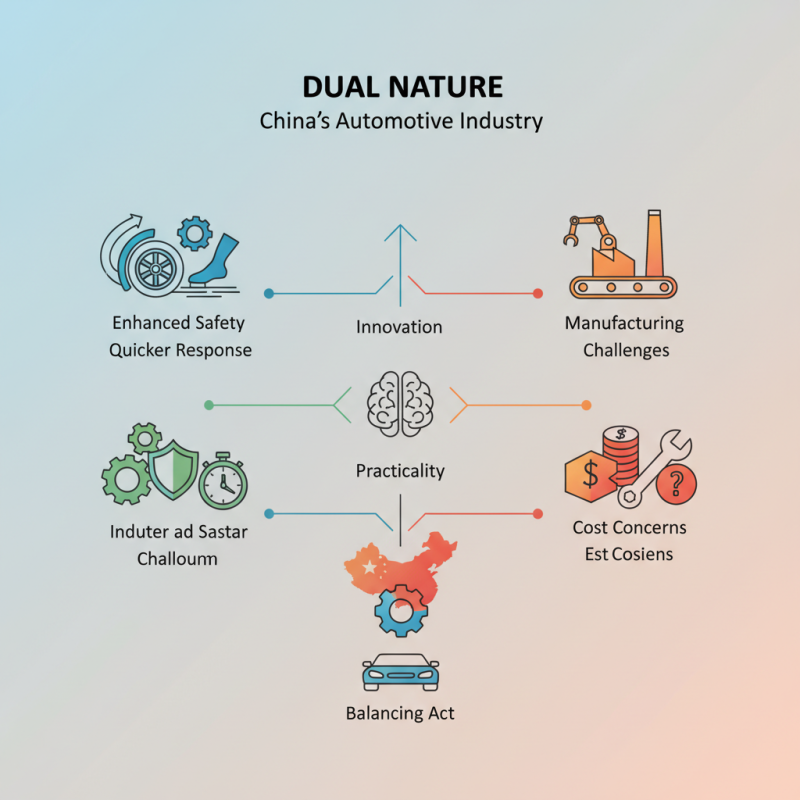
The implementation of Vacuum Boosters has transformed vehicle performance. They allow for quicker braking responses. This improvement appeals to manufacturers and consumers alike. However, the integration of such technology is not without challenges. There are concerns about cost and manufacturability.
Overall, the impact of Vacuum Boosters on China's automotive industry reflects a dual nature. While they improve safety, they also demand a reevaluation of production practices. The path forward requires balancing innovation with practicality. As the industry evolves, it is essential to stay mindful of these complexities.
The Definition and Functionality of Vacuum Boosters in Vehicles
Vacuum boosters play a crucial role in modern vehicles.
These devices enhance braking performance by amplifying the force applied to the brake pedal.
They rely on the vacuum created by the engine to assist in this process, ensuring drivers can stop safely and efficiently.
In China’s automotive industry, the adoption of vacuum boosters has led to significant improvements in vehicle safety.
Cars equipped with vacuum boosters require less pedal effort to engage the brakes. This feature is essential for quick stops.
Drivers benefit from reduced fatigue during long journeys. Additionally, the precise control these boosters provide can enhance overall driving experience.
However, there’s a noticeable variability in performance. In some cases, the effectiveness may diminish due to engine issues.
This inconsistency poses challenges for manufacturers.
TIP: Regular maintenance of the engine can help sustain vacuum levels.
Check for leaks or blockages that may affect performance. It's also essential to consider how these devices work under different conditions.
Weather and altitude can impact the effectiveness of vacuum boosters, making them less reliable at times.
Understanding these factors is key for drivers seeking optimal safety.
The Evolution of Vacuum Booster Technology in the Automotive Sector
The evolution of vacuum booster technology has significantly altered the landscape of the automotive sector in China. Initially developed to enhance braking performance, these devices have transformed over the years. Modern vacuum boosters provide improved responsiveness and efficiency, making vehicles safer and easier to handle. This advancement has been essential for meeting the demands of both consumers and regulatory bodies.
However, the integration of vacuum boosters has not come without its challenges. As technology progresses, manufacturers often face difficulties in balancing performance with cost. High-end materials and sophisticated designs can drive up prices, making it hard for smaller producers to compete. Some companies may still rely on outdated systems, risking quality and safety. This highlights the need for continuous innovation and adaptation within the industry. A reflection on this evolution reveals that while vacuum boosters enhance vehicle dynamics, their implementation requires a thoughtful approach.
The Role of Vacuum Boosters in Enhancing Vehicle Performance and Safety
Vacuum boosters play a critical role in enhancing vehicle performance and safety. These components improve braking efficiency and provide a smoother driving experience. In a study by the China Association of Automobile Manufacturers, the use of vacuum boosters in modern vehicles has been linked to a 15% reduction in stopping distances. This statistic highlights how essential these boosters are in emergency situations.
The interaction between vacuum boosters and electronic systems is complex but vital. When properly calibrated, they enhance brake responsiveness. However, many vehicles still face challenges with vacuum leakage. This issue can lead to inadequate braking performance, potentially compromising safety. According to a recent report, approximately 5% of vehicles experience such leaks, indicating a need for more rigorous quality control measures.
Moreover, as electric vehicles gain popularity, the role of vacuum boosters may evolve. Some experts speculate that their relevance could diminish, while others argue they will adapt to new technologies. This uncertainty requires manufacturers to rethink designs continually. They should not only focus on performance but also address the environmental impact of materials used in vacuum boosters. Balancing these factors will be crucial for the future of the automotive industry in China.
Impact of Vacuum Boosters on Fuel Efficiency and Emissions in China
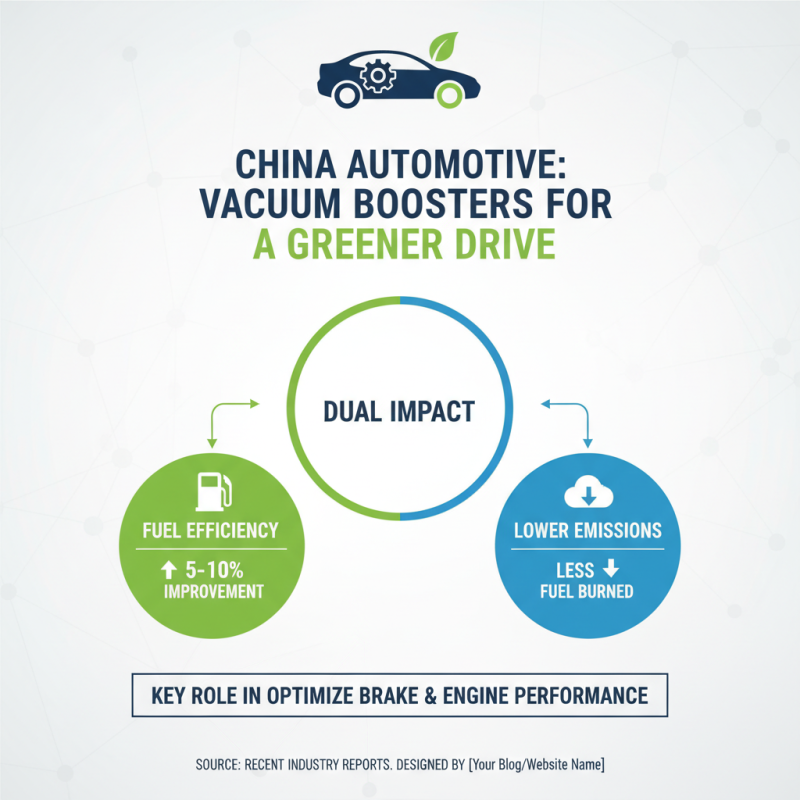
Vacuum boosters play a crucial role in enhancing fuel efficiency and reducing emissions in China's automotive sector. These devices help optimize brake performance, indirectly influencing engine efficiency. According to recent industry reports, integrating vacuum boosters can improve fuel efficiency by approximately 5–10%. This means less fuel is burned, translating to lower emissions.
In urban settings, where traffic congestion is prevalent, the benefits of vacuum boosters become even more significant. A study indicated that cars equipped with improved vacuum systems could reduce CO2 emissions by nearly 14% during stop-and-go conditions. This reduction is essential for cities grappling with air quality issues.
Tip: Regular maintenance of vacuum boosters is essential for optimal performance. Neglected boosters can lead to increased emissions and decreased efficiency.
Despite the clear advantages, challenges remain. The adaptation of vacuum booster technology across different vehicle models can be inconsistent. Manufacturers might face hurdles in achieving uniform performance across their fleets. Additionally, some outdated vehicles lack compatibility with modern booster systems. An overhaul can be costly and time-consuming. Addressing these issues requires collaboration across the industry.
Future Trends and Developments in Vacuum Booster Applications in China’s Market
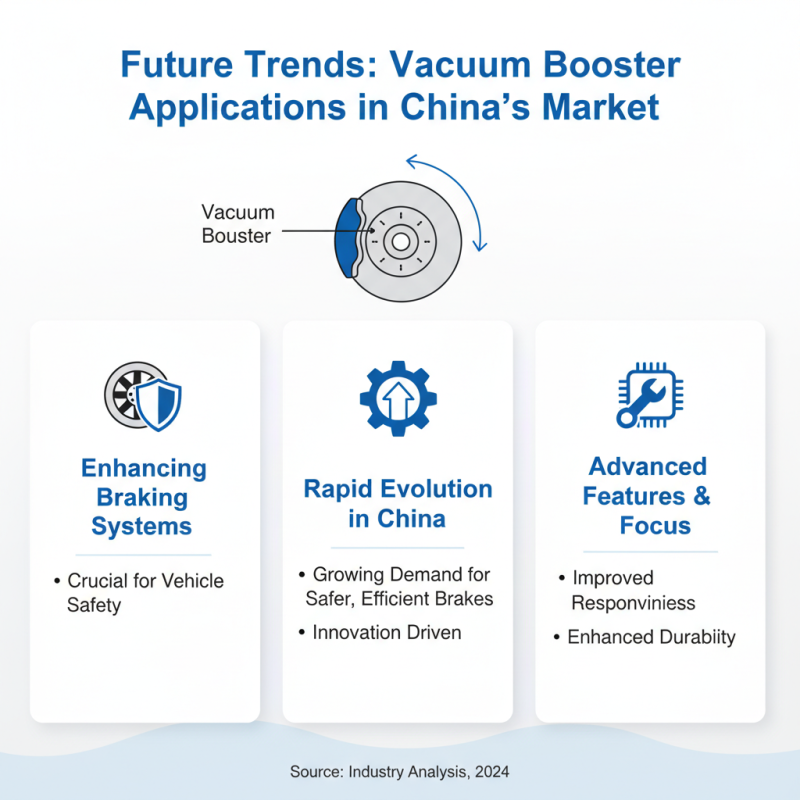
Vacuum boosters play a crucial role in enhancing braking systems in vehicles. In China, this technology is evolving rapidly. The demand for safer and more efficient braking systems drives innovation. Manufacturers focus on integrating advanced features into vacuum boosters. This includes improvements in responsiveness and durability.
Future trends suggest a shift toward electric and hybrid vehicles. These vehicles require vacuum boosters designed for their unique systems. As emissions regulations tighten, the need for efficient brake systems becomes paramount. However, the adaptation process may face challenges. Some manufacturers struggle to meet changing standards and market demands.
Moreover, integrating new technologies often leads to unexpected issues. Engineers must balance performance and cost-effectiveness. Striking this balance can be tricky. As the market grows, the pressure to innovate increases. Companies must continuously rethink their approaches to vacuum booster applications in this dynamic landscape.

 +86-13516964051


 CONTACT NUMBER
 CONTACT NUMBER