What is Metal Casting Equipment and Its Importance for Buyers?
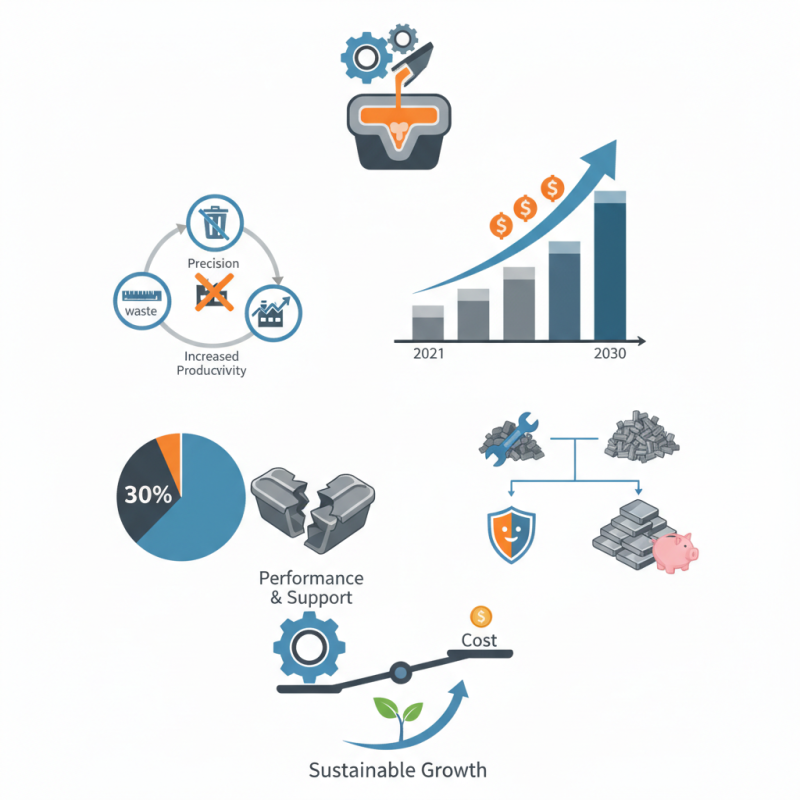
Metal Casting Equipment plays a pivotal role in the manufacturing sector, particularly in metal fabrication. The global metal casting market was valued at approximately $221 billion in 2021 and is projected to grow at a CAGR of 5.8% from 2022 to 2030. This underscores the rising demand for efficient and advanced casting technologies.
For buyers, understanding the significance of quality Metal Casting Equipment is crucial. High-performance equipment enhances precision, reduces waste, and increases productivity. Companies often face challenges in selecting the right equipment, which can lead to suboptimal production outcomes. Research indicates that nearly 30% of metal casting defects stem from inadequate machinery or improper usage.
Additionally, the reliability of Metal Casting Equipment affects overall operational efficiency. Investing in top-tier equipment can upfront seem costly. However, it often results in long-term savings and higher quality products. As competition intensifies, buyers must prioritize not just cost, but also equipment performance and after-sales support. This insightful approach leads to informed decisions and sustainable growth in metal casting operations.
Understanding Metal Casting Equipment: An Overview
Metal casting equipment plays a vital role in manufacturing. It allows for the shape and design of metal components. Different processes, including sand casting and investment casting, cater to various material needs. Data shows that the global metal casting market is projected to reach $197 billion by 2025. This statistic highlights its significance.
Understanding the equipment is essential for buyers. Key components include furnaces, molds, and pouring systems. A furnace must reach high temperatures to melt metal efficiently. Molds determine the final shape, influencing product quality. Buyers should consider the versatility of the equipment. Some systems handle multiple materials, while others are specialized. This can affect production costs and timelines.
Improving throughput is crucial. Effective metal casting methods reduce waste and enhance precision. Yet, not all equipment achieves this. Buyers face a dilemma; investing in advanced technology may incur high upfront costs. However, the long-term savings often justify it. Reflections on past purchases can help avoid future mistakes. The right equipment can lead to significant operational improvements and a higher return on investment.
Types of Metal Casting Equipment and Their Functions
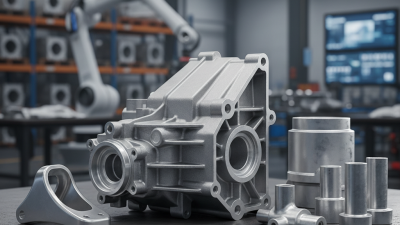
Metal casting equipment plays a crucial role in the manufacturing process. Various types of equipment serve different functions, each contributing to the overall efficiency and quality of metal casting.
One primary type is the melting furnace. This furnace heats metal to its melting point before pouring it into molds. The temperature control in this equipment is vital. If the metal is not heated correctly, the end product may have defects. Different furnaces, such as induction or crucible types, cater to specific materials.
Another essential piece is the molding machine. This machine shapes the molten metal into the desired form. It can be automated or manual, depending on production needs. An automated machine offers speed and precision, while manual options allow for greater flexibility in small batches. Additionally, cooling systems are critical. They ensure the metal cools at a consistent rate. A rapid cooling process can lead to fractures. Understanding these different types of equipment helps buyers make informed decisions.
Key Factors to Consider When Purchasing Metal Casting Equipment
When you're in the market for metal casting equipment, understanding key factors is essential. You'll want to assess the equipment's capacity and how it fits your production needs. Consider the materials you will be working with. Different metals require specific types of machinery to ensure efficiency and quality.
**Tips:** Always prioritize durability. Equipment can be a significant investment. Investing in robust machinery can lead to long-term savings. Look into the supplier's reputation. Reliable suppliers often provide better support and maintenance options.
Another critical factor is energy efficiency. Modern equipment should consume less power. This not only saves costs but also aligns with environmentally friendly practices. Review the technology used in the equipment. Advanced features can enhance precision and reduce waste, but they may come with a higher price tag.
**Tips:** Don't overlook training prerequisites. Some advanced machines require specialized knowledge. Ensure your team is prepared to maximize the equipment’s potential. Regular maintenance is also crucial. Neglecting this can lead to unexpected costs and downtime.
Importance of Metal Casting Equipment for Manufacturers
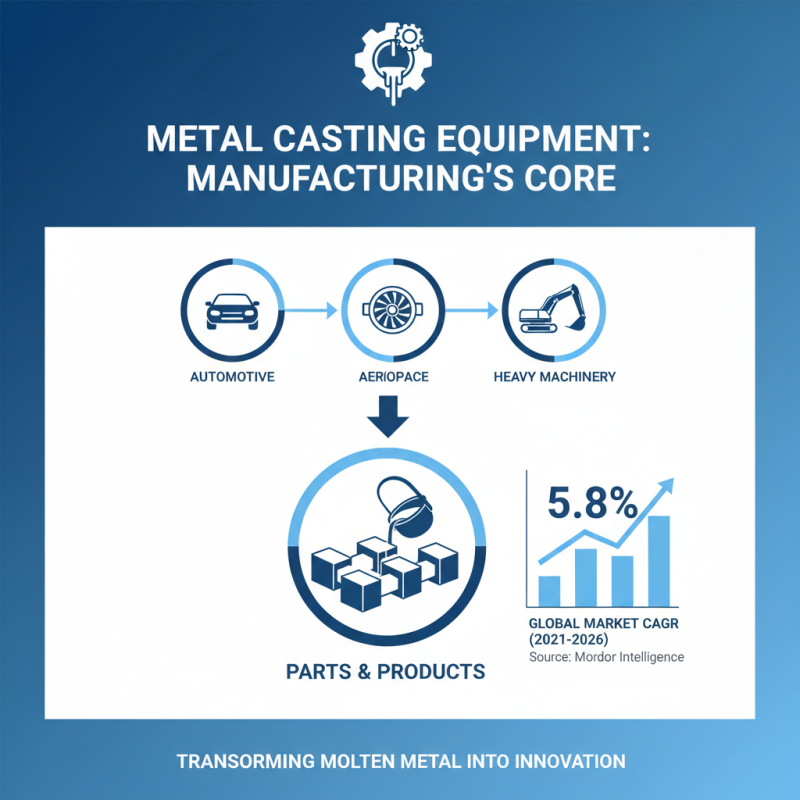
Metal casting equipment plays a vital role in manufacturing processes. It allows for the transformation of molten metal into usable parts and products. This process is essential for industries such as automotive, aerospace, and heavy machinery. According to a report by Mordor Intelligence, the global metal casting market is expected to grow significantly, with a projected CAGR of 5.8% from 2021 to 2026. This growth highlights the increasing reliance on efficient casting methods.
For manufacturers, investing in advanced metal casting equipment can enhance production efficiency. Efficient equipment reduces waste and improves material usage. Studies show that modern casting techniques can increase yield by up to 30%. This increased efficiency can impact a manufacturer's bottom line, making them more competitive. However, it's crucial to regularly assess and maintain equipment to avoid unexpected failures. Some manufacturers overlook the importance of routine checks, which can lead to costly downtimes.
Moreover, the choice of equipment can affect the quality of the cast product. Higher quality machinery often results in fewer defects. According to industry reports, defects can cost manufacturers up to 30% of their overall production costs. Elevated defect rates can damage a company’s reputation. Such issues compel manufacturers to continuously strive for better equipment and processes. Balancing cost, quality, and technology remains a challenge in staying competitive in the metal casting sector.
Future Trends in Metal Casting Technology and Equipment
The future of metal casting technology focuses on automation and sustainability. Advanced technologies like 3D printing are becoming essential. These innovations streamline the production process. They enhance precision and reduce waste. Many buyers are eager to embrace these advancements. They promise lower costs and improved quality.
Additionally, there is a growing emphasis on eco-friendly practices. Manufacturers are exploring materials that minimize environmental impact. Recyclable metals are gaining traction. Buyers are increasingly aware of their sustainability footprint. This shift influences their purchasing decisions. It reflects a responsible approach to industrial processes.
However, some challenges remain. Rapid technological changes can be overwhelming. Buyers may struggle to keep up with trends. Training staff on new equipment is essential yet often overlooked. Balancing cost, quality, and innovation requires careful thought. As the industry evolves, staying informed can be complex but necessary.
What is Metal Casting Equipment and Its Importance for Buyers? - Future Trends in Metal Casting Technology and Equipment
| Equipment Type |
Function |
Material Types |
Trends |
| Die Casting Machines |
High-precision metal parts production |
Aluminum, Zinc, Magnesium |
Increased automation and efficiency |
| Sand Casting Equipment |
Large-scale metal parts production |
Steel, Iron, Copper |
Sustainability and eco-friendly practices |
| Investment Casting Equipment |
Complex shapes and high detail parts |
Stainless Steel, Titanium |
Advancements in materials and techniques |
| Centrifugal Casting Machines |
Hollow metal components production |
Bronze, Cast Iron |
Use of advanced sensors for quality control |
| Core Making Equipment |
Creates cores for hollow parts |
Metal, Resin |
Innovations in core material properties |

 +86-13516964051


 CONTACT NUMBER
 CONTACT NUMBER