How to Perfect Metal Die Casting Techniques for Beginners?
Metal Die Casting is an essential technique in manufacturing. It involves creating metal parts by injecting molten metal into a mold. This method provides high precision and efficiency. For beginners, mastering metal die casting can be a challenging yet rewarding journey.
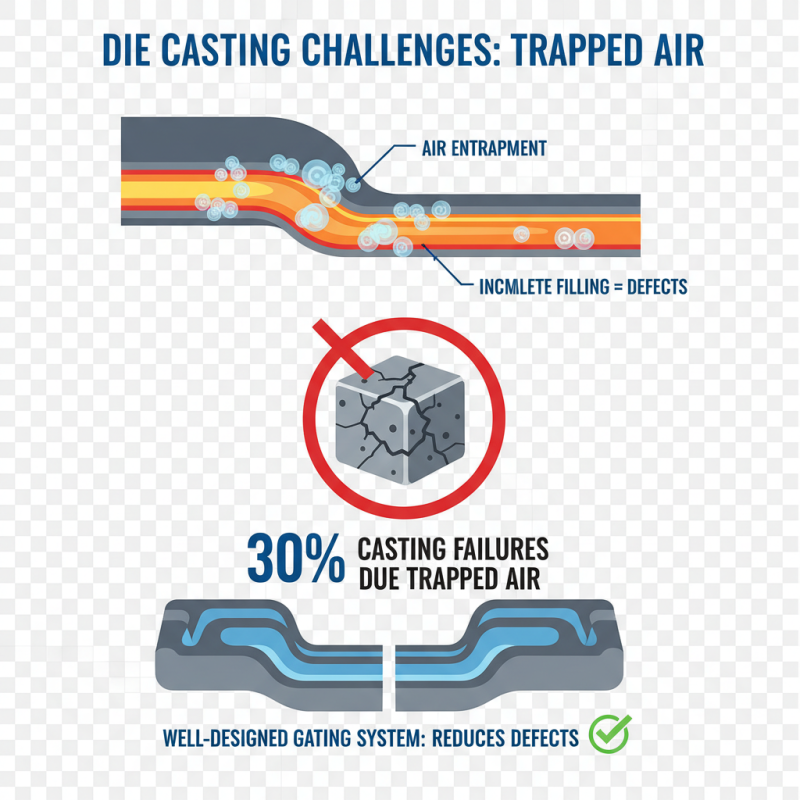
When starting out, understanding the basics is crucial. Temperature control is vital to avoid defects in the final product. A too cold mold can lead to incomplete fills, while excessive heat may ruin the mold. Finding the right balance can be difficult, but practice makes perfect.
As a beginner, you'll face challenges like air bubbles and misalignment. These issues require patience and attention. Reflecting on mistakes can guide improvement. Each attempt is an opportunity to learn. Embracing imperfections is part of the process. Over time, your skills in Metal Die Casting will sharpen. Dive in, experiment, and refine your techniques.
Understanding the Basics of Metal Die Casting for Beginners
Metal die casting is a fascinating method for manufacturing metal parts. This technique transforms molten metal into complex shapes using a mold. Understanding the basics is crucial for beginners. According to recent industry reports, the global die casting market is expected to reach $81 billion by 2026, indicating significant growth opportunities.
Beginners should note that precision is vital. The accuracy of die casting affects the final product's quality. Many new users struggle with temperature control. Pouring molten metal too hot or too cold can distort shapes. Training is essential to avoid such mistakes. The learning curve can be steep, but mastering temperature control is key to quality production.
Mold selection is another critical aspect. A poorly designed mold can lead to defects. Research shows that 15% of produced die-cast parts fail inspection due to mold design issues. Newcomers often overlook the value of thorough design analysis. Understanding materials and their properties can enhance the overall performance. Engaging in continuous learning and adaptation is critical for success in metal die casting.
Essential Tools and Equipment for Metal Die Casting
When starting with metal die casting, selecting the right tools is crucial. Essential equipment includes the die casting machine, mold, and a melting furnace. Effective machines provide consistent pressure and temperature. A quality furnace can heat metals up to 800°C. According to industry reports, over 30% of defects in casted items arise from inadequate equipment.
Another vital tool is the mold. Molds must be made from high-grade steel to withstand pressure. Poor-quality molds lead to part defects and increased waste. It’s noted that up to 20% of production costs can stem from mold fabrication errors. Beginners often underestimate the importance of hydraulic systems. These systems control the clamping and injection phases effectively. Neglecting this can disrupt the casting process.
Finally, ancillary tools like thermocouples and pressure gauges are essential. They help monitor conditions during casting. Accurate data collection is critical. It ensures quality and reduces the margin for error. Aspiring die cast operators should analyze equipment efficiency regularly. A reflective approach can illuminate improvement areas. This can significantly enhance casting results over time.
Step-by-Step Process of Metal Die Casting Techniques
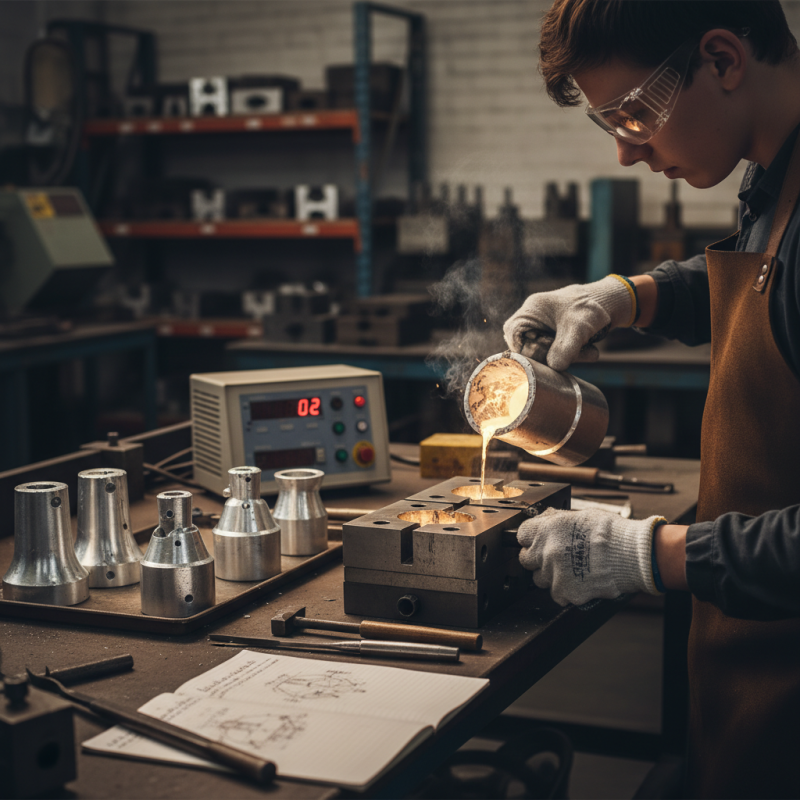
Die casting is an exciting technique for metal processing. It allows you to create precise shapes using molten metal. Understanding the step-by-step process is essential for beginners. You will need a few key tools, such as a die casting machine, molds, and safety gear.
Start by preparing the mold. Ensure it is clean and free from debris. Properly greasing the mold can help with easy extraction later. Next, heat the metal to its melting point. The temperature is critical; too hot and it may burn, too cold and it will solidify too soon. Once melted, the liquid metal is injected into the mold under high pressure. This step is crucial, as uneven pressure can lead to defects.
After cooling, remove the cast from the mold. Inspect it closely for imperfections. You may notice rough edges or air bubbles. These flaws require attention. Sometimes, modifications are needed in the mold design or the cooling time. Documenting the process helps you refine your technique for future projects. Remember, practice makes perfect, and it's okay to make mistakes along the way.
Safety Practices in Metal Die Casting Operations
Safety is crucial in metal die casting operations. Protecting workers from hazards is essential for a productive environment. According to the Occupational Safety and Health Administration (OSHA), around 13% of manufacturing injuries occur in the metal casting sector. This calls for strict adherence to safety practices.
Personal protective equipment (PPE) is vital. Workers must wear safety goggles and heat-resistant gloves during operations. Additionally, respiratory protection should be used to prevent inhalation of harmful fumes. It's alarming that a significant number of injuries result from inadequate PPE usage. Regular training can enhance awareness of risks, yet many beginners overlook this.
Furthermore, proper equipment maintenance reduces risks. Regular checks can prevent equipment failures like overheating or malfunction. Unexpected breakdowns can lead to accidents. A survey from the American Foundry Society indicated that improper equipment handling accounts for 30% of incidents in die casting. These statistics emphasize the need for a culture of safety. Without it, the industry risk remains high, and beginners must pay attention to these details to foster a safe working environment.

 +86-13516964051


 CONTACT NUMBER
 CONTACT NUMBER