What is Sand Die Casting and How Does It Work?
Sand Die Casting is a fascinating method used in manufacturing. This process involves creating molds from sand, which are then filled with molten metal. According to John Smith, an expert in the Sand Die Casting industry, "The key to success in this method lies in the quality of the sand." His words remind us how vital the materials are in production.
The precision of Sand Die Casting can vary significantly. Sometimes, it achieves high accuracy, but other times, it falls short. Factors like temperature control and mold design can impact the results. The complexity of this process can be overwhelming.
Many manufacturers still face challenges with Sand Die Casting. For example, inconsistencies in sand composition may lead to defects. Addressing these issues is crucial for improving efficiency. Overall, understanding the nuances of Sand Die Casting is essential for both newcomers and seasoned professionals.
Understanding Sand Die Casting: An Overview of Its Processes
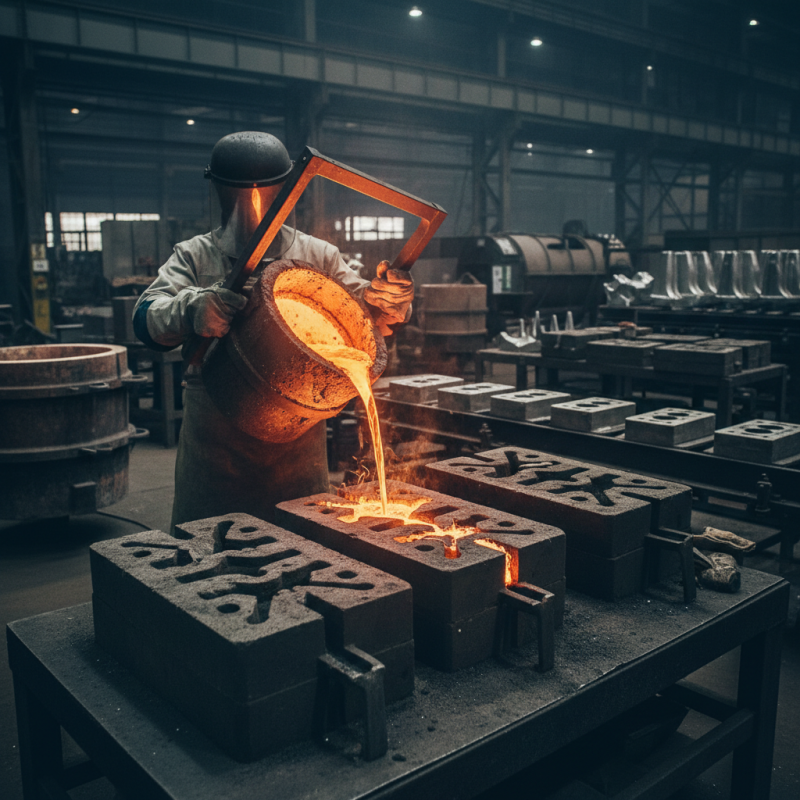
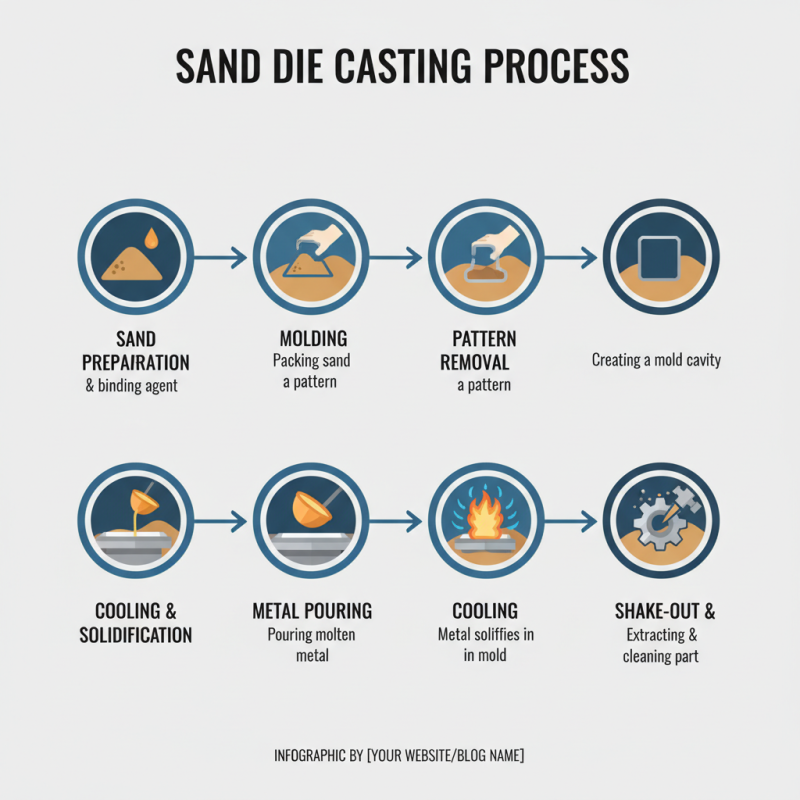
Sand die casting is a popular manufacturing process that involves creating metal parts using sand molds. The process begins with preparing a mixture of sand and a binding agent. This mixture is packed around a pattern to form a mold. Once the mold is created, the pattern is removed, leaving a cavity in the sand. This cavity is where molten metal will be poured.
After the mold is ready, the next step is to heat the metal until it melts. Careful temperature control is crucial here. The molten metal must be poured into the sand mold quickly to prevent it from cooling too much. The filling process can be unpredictable. Sometimes, the metal does not flow perfectly, leading to imperfections.
Once the metal cools and solidifies, the sand mold is broken away. This can create additional challenges, such as damage to the part or rough surfaces. The final piece may require further finishing, like grinding or machining, to meet quality standards. While sand die casting is efficient, it often requires adjustments in technique to achieve the best results. Each attempt is a learning opportunity.
The Materials Used in Sand Die Casting: Types and Properties
Sand die casting is a widely used manufacturing process that relies heavily on the materials employed. Various materials can influence both the casting quality and the cost-effectiveness of the operation. Sand is the primary medium in this method, chosen for its excellent thermal properties and ability to withstand high temperatures. A report by the American Foundry Society reveals that more than 70% of metal castings produced in the US are made using sand casting, highlighting its significance in the industry.
The most common type of sand used is silica sand. It consists of small particles of silicon dioxide, providing a good bonding capability when mixed with clay or other additives. However, not all sands are alike. Some might carry impurities, which could lead to defects in the finished product. Moreover, the particle size can significantly affect the mold's surface finish. Fine sand yields smoother surfaces but can lead to higher porosity in castings. Conversely, coarse sand may offer better strength but compromises surface quality.
In addition to sand, additives play a crucial role. Clay binds the sand particles, promoting strength and durability. Chemicals, such as resin, can enhance the sand mixture’s properties but increase costs. There’s a delicate balance between achieving desired properties and controlling expenses. Understanding these materials is essential for optimizing sand die casting processes, yet it also demands contemplation on how these choices impact the final product's integrity and overall sustainability.
Step-by-Step Process of Sand Die Casting: From Design to Final Product
The sand die casting process begins with design. Engineers create a detailed blueprint of the part. This design dictates the mold specifications. Precision is crucial. According to industry reports, a 1% error in design can lead to a 5% increase in production costs. The detailed design aids in achieving the desired accuracy.
Next comes mold preparation. Sand is mixed with a binder to form a mold. This mold is shaped based on the design. Once the mold is ready, it must be checked for defects. A common pitfall is not ensuring proper sealing. This can lead to significant flaws in the final product. In fact, about 20% of molds are rejected due to preventable issues.
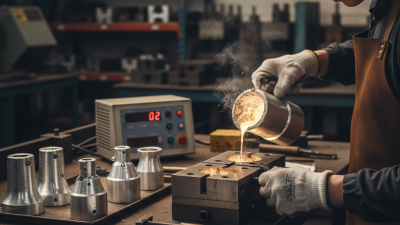
The casting phase is critical. Molten metal is poured into the mold. The cooling period is as important as the pouring. An uneven cooling can lead to cracks. Once cooled, the mold is broken to reveal the casting. This stage can yield up to 90% of usable parts, but careful inspection is necessary for quality assurance. Some estimates suggest that close to 15% of products may require reworking. The entire process showcases both efficiency and the need for precise execution.
What is Sand Die Casting and How Does It Work? - Step-by-Step Process of Sand Die Casting: From Design to Final Product
| Step |
Description |
Materials Used |
Applications |
| 1 |
Design the part using CAD software. |
- N/A |
- Prototype development |
| 2 |
Create a sand mold based on the design. |
- Sand
- Binder |
- Component manufacturing |
| 3 |
Melt the metal alloy to the required temperature. |
- Aluminum
- Zinc
- Magnesium |
- Automotive parts
- Machinery |
| 4 |
Pour the molten metal into the mold. |
- N/A |
- Tooling solutions |
| 5 |
Allow the metal to cool and solidify. |
- N/A |
- Final product creation |
| 6 |
Remove the cast from the mold and finish. |
- Cutting tools
- Finishing supplies |
- Final assemblies |
Industry Applications of Sand Die Casting: Sectors and Case Studies
Sand die casting offers significant benefits across multiple industries. In automotive manufacturing, it plays a crucial role in engine component production. The ability to create complex shapes makes it ideal for parts like cylinder heads and engine blocks. These components benefit from the durability of sand-cast metals, ensuring longevity. However, variations in sand mixture can lead to inconsistencies. A careful approach is essential in refining the casting process.
In the aerospace sector, sand die casting contributes to structural parts for aircraft. Strong yet lightweight components are crucial for performance. Manufacturers are constantly exploring new alloys to enhance strength without increasing weight. Yet, each new material comes with challenges. The need for precise temperature control during casting can lead to defects. Addressing these issues can improve overall safety and efficiency in flight.
Sand die casting is also present in decorative arts. Artists utilize this technique to create intricate designs for sculptures and ornamental pieces. The versatility of sand molds allows for creativity. However, achieving detailed finishing can sometimes be problematic. The texture from sand may not meet some artists' expectations. Continuous experimentation is key to mastering this art.
Cost Efficiency and Environmental Considerations in Sand Die Casting
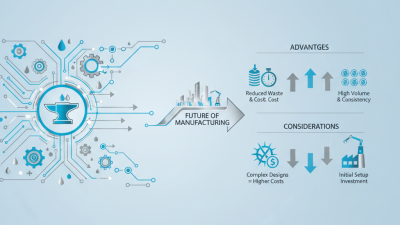
Sand die casting offers a cost-effective solution for producing metal parts. The process involves creating molds from sand, which are relatively inexpensive to produce. This enables manufacturers to keep production costs low, particularly for high-volume runs. However, the initial setup can be time-consuming, and this might affect overall project timelines.
Environmental considerations are also crucial in sand die casting. The materials used are often recyclable, reducing waste. Still, the sand used can create disposal challenges. Sand might end up in landfills if not managed properly. There is also the dust generated during the casting process, which can pose health risks if safety measures are overlooked.
Despite its advantages, there are imperfections inherent in sand die casting. The sand molds can produce rough surfaces on castings. This often requires additional finishing processes, adding time and cost. It's essential to weigh these factors when choosing sand die casting for projects. Balancing cost efficiency and environmental impact is not always straightforward, and companies must reflect on their practices.

 +86-13516964051


 CONTACT NUMBER
 CONTACT NUMBER