How to Source High Quality Aluminum Parts for Global Buyers?
In the competitive landscape of manufacturing, sourcing high-quality Aluminum Parts has become a pivotal concern for global buyers. Expert John Smith, a respected figure in the aluminum industry, emphasizes, “Quality aluminum parts can significantly enhance product durability.” This statement underscores the growing necessity for businesses to prioritize sourcing standards.
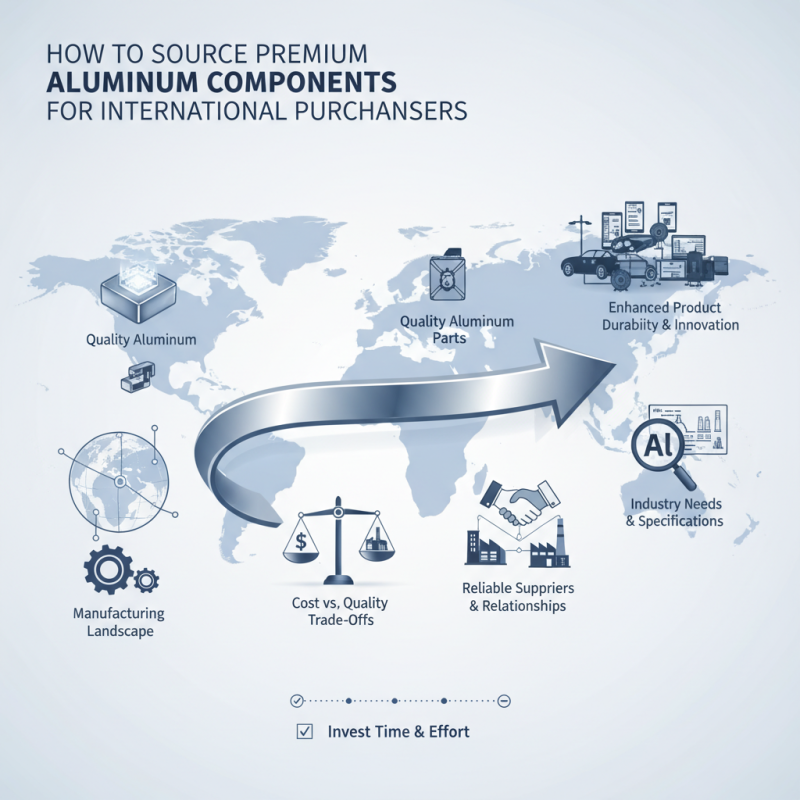
Navigating the sourcing process can be challenging. Many companies struggle to find reliable suppliers. A good supplier not only offers quality but also timely delivery. Buyers often face trade-offs between cost and quality. Developing relationships with multiple suppliers can alleviate this risk, but it’s not always easy.
Furthermore, understanding specific industry needs is crucial. Different applications may demand varying aluminum grades. Buyers must educate themselves about specifications and standards. A clear understanding of these elements helps in better decision-making. The journey of sourcing aluminum parts is intricate, yet rewarding for those willing to invest the time and effort.
Understanding the Global Aluminum Parts Market and Demand Trends
Understanding the global aluminum parts market is crucial for buyers. The demand for aluminum parts has surged, expected to reach $80 billion by 2025, driven by industries like automotive and aerospace. Innovative designs and lightweight materials are primary motivators for this growth. However, sourcing high-quality aluminum parts remains a significant challenge.
Manufacturers often experience inconsistencies in material quality and production processes. According to a recent industry report, nearly 30% of global suppliers struggle to meet quality standards. This reflects the need for stringent quality checks and clear communication with suppliers. Developing long-term relationships can also improve reliability and ensure compliance with international standards.
Tips: Look for suppliers with certifications in quality management. Engage in regular audits to verify their manufacturing processes. Taking these steps helps mitigate risks associated with poor quality.
Staying updated on specific market trends is equally important. For example, the recent push towards electric vehicles is drastically changing aluminum usage patterns. Buyers should be proactive in understanding these shifts. This approach not only caters to market-demand but also aligns with sustainable practices. By doing so, buyers can enhance their procurement strategies and ensure a steady supply of high-quality aluminum parts.
Identifying Key Specifications and Standards for High-Quality Aluminum Parts
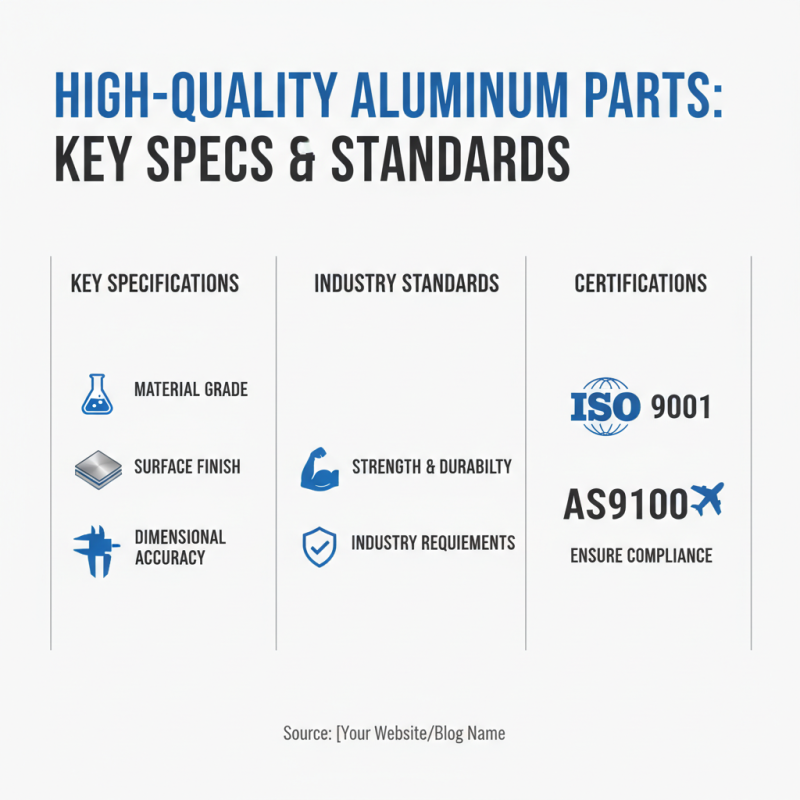
When sourcing high-quality aluminum parts, understanding key specifications is vital. Buyers should focus on material grade, surface finish, and dimensional accuracy. Aluminum parts must meet certain standards that dictate strength and durability. Certifications like ISO and AS9100 ensure that parts comply with industry requirements.
Tips: Always request documentation that verifies these standards. This can save time and avoid costly mistakes. Routine checks during production can also help maintain quality.
Another important aspect is the finish of the aluminum parts. Different applications require varied finishes, such as anodized or powder-coated. Each finish has its advantages, affecting both aesthetics and performance.
Tips: Evaluate the end use of the part to determine the appropriate finish. Communicating this to suppliers is crucial and minimizes the risk of errors. Not all suppliers may provide the ideal finishes, so don’t hesitate to ask questions.
Evaluating Supplier Capabilities: Certifications and Production Processes
When sourcing high-quality aluminum parts, assessing supplier capabilities is essential. Begin by examining certifications. ISO standards are critical indicators of a supplier’s commitment to quality. Look for certifications like ISO 9001, which ensures quality management systems are in place. A supplier with this certification demonstrates that they consistently meet customer expectations.
Next, consider production processes. High-quality aluminum parts require advanced manufacturing techniques. Suppliers should utilize CNC machining and precision forging. These methods ensure tighter tolerances and better finished products. Investigate how suppliers handle quality control. Regular inspections during production can catch defects early, saving time and resources.
A visit to the supplier’s facility can provide valuable insights. Observe their equipment, workforce, and workflow. Are their processes streamlined? Are safety protocols followed? Observing firsthand can reveal whether a supplier meets your standards. Sourcing quality aluminum parts involves careful evaluation. It’s not just about the lowest price; quality matters more.
Utilizing Technology and Innovation in Aluminum Parts Manufacturing
In the aluminum parts manufacturing sector, technology and innovation play vital roles. Advanced machinery and automated systems streamline production processes. These innovations increase efficiency and reduce waste, but implementing them comes with challenges. Not every manufacturer can access the latest technology, and managing these systems requires skilled operators.
Emerging technologies like 3D printing are changing the landscape. They allow for complex designs that traditional methods cannot achieve. This adds flexibility but also uncertainty in quality control. Manufacturers need to invest in training to maintain standards. Additionally, adopting new technologies can be costly, forcing businesses to evaluate their long-term benefits.
Sustainability is another important focus. Many manufacturers are exploring eco-friendly materials and processes. While these changes promise to enhance the brand’s image, they require careful planning. Balancing costs and sustainability is an ongoing challenge. Buyers want high-quality parts, but manufacturers must also navigate these evolving market demands.
Best Practices for Quality Assurance and Compliance in Sourcing Aluminum Parts
When sourcing high-quality aluminum parts, quality assurance and compliance are paramount. It’s not only about finding a supplier but ensuring they meet industry standards. Before finalizing a supplier, conduct thorough research. Their certifications should align with international quality norms. Verify their production processes and ensure they implement strict quality control measures.
Tip: Ask for recent quality audits from potential suppliers. These documents can reveal their commitment to maintaining standards.
Regular communication with suppliers fosters transparency. This helps identify any issues early in the sourcing process. Be clear about your specifications and expectations. This clarity can prevent misunderstandings and ensure that the parts meet your requirements.
Tip: Use clear metrics for performance evaluation. This provides a benchmark for quality and fosters accountability.
Lastly, consider feedback from other buyers. Their experiences can offer valuable insights into a supplier’s reliability. Engaging with industry forums or trade shows can expand your understanding of different suppliers.
Tip: Keep an open mind about different sourcing strategies. Flexibility can lead to discovering better quality options.

 +86-13516964051


 CONTACT NUMBER
 CONTACT NUMBER