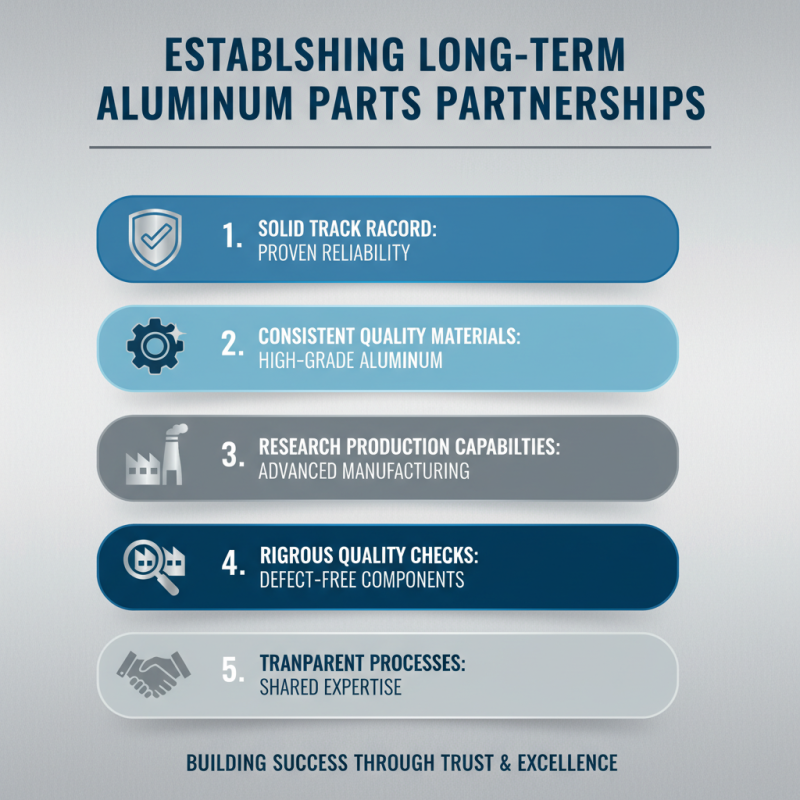
How to Source Quality Aluminum Parts for Your Business?
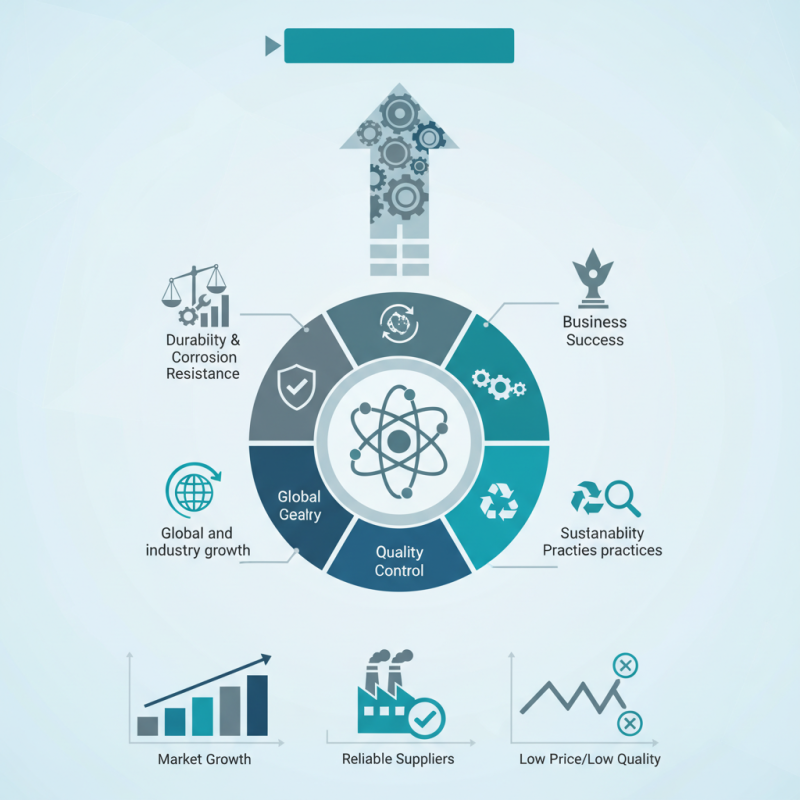
In today's manufacturing landscape, sourcing quality aluminum parts is crucial for businesses aiming to maintain competitive advantage. The aluminum parts industry has witnessed remarkable growth, with a market valued at $119 billion in 2022 and projected to reach $145 billion by 2027, according to a recent report by Grand View Research. Many companies rely heavily on aluminum due to its lightweight, durability, and resistance to corrosion.
Renowned industry expert Dr. Emily Carter emphasizes, “The integrity of aluminum parts shapes the future of manufacturing.” With the surge in demand, businesses must prioritize finding reliable suppliers who provide high-quality materials. However, the challenge lies in identifying partners that can consistently deliver exceptional aluminum parts. Companies often face difficulties in navigating the landscape of suppliers. It's vital to consider factors like production capabilities, quality control processes, and sustainability practices.
While there are numerous suppliers, not all can meet strict industry standards. Some may offer lower prices, but quality often suffers. A thorough evaluation of potential partners is essential to avoid pitfalls. This ongoing pursuit for quality aluminum parts will ultimately define a business's success in today’s competitive market.
Identifying Your Business Requirements for Aluminum Parts Sourcing
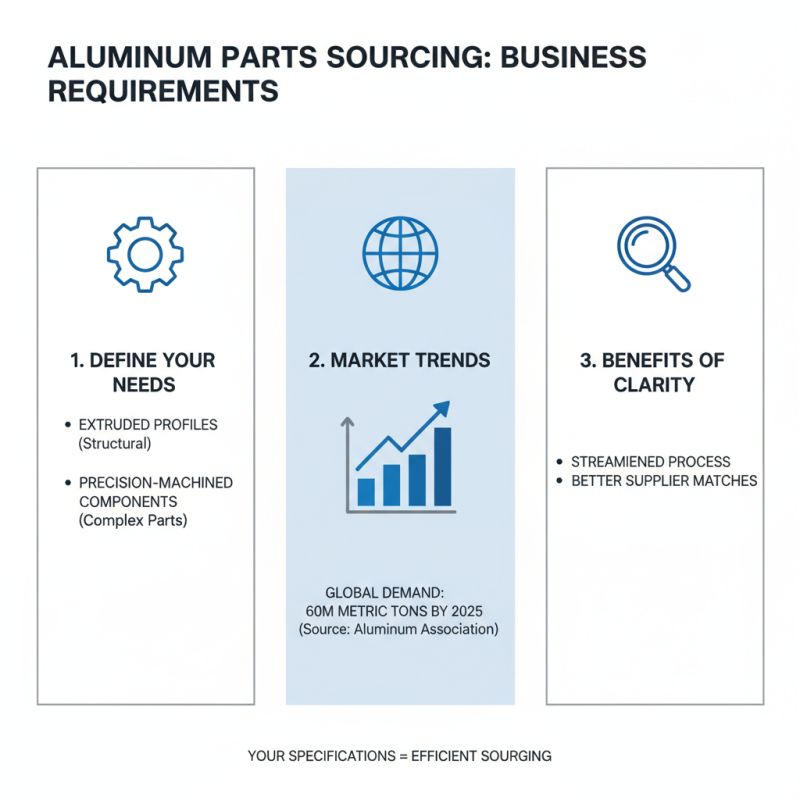
When sourcing aluminum parts for your business, it's essential to clearly identify your specific requirements. According to the Aluminum Association, the global demand for aluminum is projected to reach 60 million metric tons by 2025. This trend emphasizes the importance of understanding what types of aluminum parts your business needs. Whether you require extruded profiles for structural applications or precision-machined components, clarity on your specifications will help streamline the sourcing process.
Evaluating your needs involves considering factors like material grade, weight, and intended application. For instance, different grades of aluminum offer varied strength and corrosion resistance, impacting performance. Industry reports indicate that about 80% of sourcing decisions depend on material properties alone. Additionally, anticipate the manufacturing processes involved. Consulting with industry experts can help refine these requirements while uncovering potential challenges, such as supplier reliability and lead times.
It's important to stay adaptable as market conditions may change. The aluminum market can be influenced by fluctuating prices and availability. Regularly assessing your requirements may lead to discovering better sourcing options. Engage with multiple suppliers and gather feedback from your production teams. Discrepancies in quality and service from suppliers can create obstacles, prompting a need for continuous evaluation of your sourcing strategy.
Researching Reliable Aluminum Parts Manufacturers and Suppliers
When sourcing aluminum parts for your business, finding reliable manufacturers and suppliers is crucial. Start by researching online directories and trade platforms. Look for companies with extensive experience in aluminum fabrication. Check their websites for detailed information on their capabilities and certifications. A trustworthy supplier should demonstrate expertise in quality assurance and production processes.
Engage with potential suppliers by asking questions to gauge their reliability. Request samples to evaluate the quality of their aluminum parts. Pay attention to their customer service; good communication is a sign of a dependable partner. Be aware that not all manufacturers maintain the same standards. It's essential to trust your instincts when something doesn’t feel right during the process.
Consider visiting production facilities if feasible. This provides insight into their operations and quality control measures. It's also an opportunity to build rapport. Assess the supplier’s commitment to sustainability and ethical practices. Reflect on their past projects and ask for references. This step can uncover valuable insights and help ensure a solid partnership for your aluminum sourcing needs.
Evaluating Quality Standards and Certifications for Aluminum Parts
When sourcing aluminum parts, evaluating quality standards and certifications is crucial. Different industries require diverse specifications. Knowing what to look for can make a significant difference in product reliability.
Many manufacturers obtain certifications like ISO 9001 or AS9100. These certifications indicate adherence to quality management systems. Always verify these credentials. It reflects a commitment to quality and reliability. However, not all companies with these certifications uphold consistent quality. It is essential to conduct audits or request samples.
**Tips:** Ask potential suppliers about their quality control processes. A transparent approach is a good sign. Regular testing and inspections show they prioritize quality. Stay informed about industry standards as they evolve.
Check for additional certifications like RoHS or REACH, especially if compliance is critical. These reflect environmental and health safety. However, consider that certifications can be misrepresented. Always trust but verify. Quality can be subjective in some cases; customer feedback may provide additional insights.
How to Source Quality Aluminum Parts for Your Business? - Evaluating Quality Standards and Certifications for Aluminum Parts
| Quality Standard |
Description |
Certification Body |
Usage |
| ISO 9001 |
Quality Management Systems |
International Organization for Standardization |
Applicable to all industries |
| ISO 14001 |
Environmental Management Systems |
International Organization for Standardization |
Applicable to environmental compliance |
| AS9100 |
Quality Management for Aerospace |
Society of Automotive Engineers (SAE) |
Aerospace and Defense |
| IATF 16949 |
Quality Management for Automotive |
International Automotive Task Force |
Automotive Industry |
| RoHS |
Restriction of Hazardous Substances |
European Union |
Electronics and Electrical Equipment |
| CE Marking |
Conformity to Health, Safety and Environmental Protection |
European Union |
Products sold within the EU |
Comparing Pricing and Payment Terms from Different Suppliers
When sourcing quality aluminum parts, pricing and payment terms are crucial factors. Comparing multiple suppliers can help identify the best options for your business. Some suppliers may offer lower prices, but hidden costs might arise later. Always request detailed quotes that include shipping and handling fees.
Payment terms vary significantly among suppliers. Some require upfront payments, while others may offer credit terms. Understanding these terms helps manage cash flow effectively. A supplier that offers flexible payment options can alleviate financial pressure. Analyze the total cost of ownership, not just the purchase price.
Consider the supplier's reputation too. A low price from an unknown supplier might not guarantee quality. Research reviews and seek references from previous customers. Reflect on your own experiences with cost-cutting decisions. Quality should never be compromised for a lower price. Make informed choices to build long-term relationships with reliable suppliers.

 +86-13516964051


 CONTACT NUMBER
 CONTACT NUMBER