Top 10 Tips for Successful Aluminum Pouring Techniques?
In the dynamic world of metal casting, mastering the art of Aluminum Pouring is crucial. According to industry expert Mark Thompson, "Precision in aluminum pouring can make or break a project." His insights emphasize the importance of technique and preparation. With various applications, from automotive to aerospace, understanding the nuances of aluminum pouring is essential for quality outcomes.
Every pour can present unique challenges. Factors like temperature control, mold preparation, and pouring speed all influence the final product. It’s a process that demands attention to detail and adaptability. Mistakes can lead to defects like air pockets or miscast shapes, requiring reflection and correction.
Embarking on aluminum pouring means embracing both the science and the art. Each project serves as a learning opportunity. Adopting industry best practices can transform outcomes. Thus, knowing how to navigate this complex field is vital for both beginners and seasoned professionals alike. The right approach can truly enhance the efficiency and quality of aluminum pouring in any setup.
Understanding the Basics of Aluminum Pouring Techniques
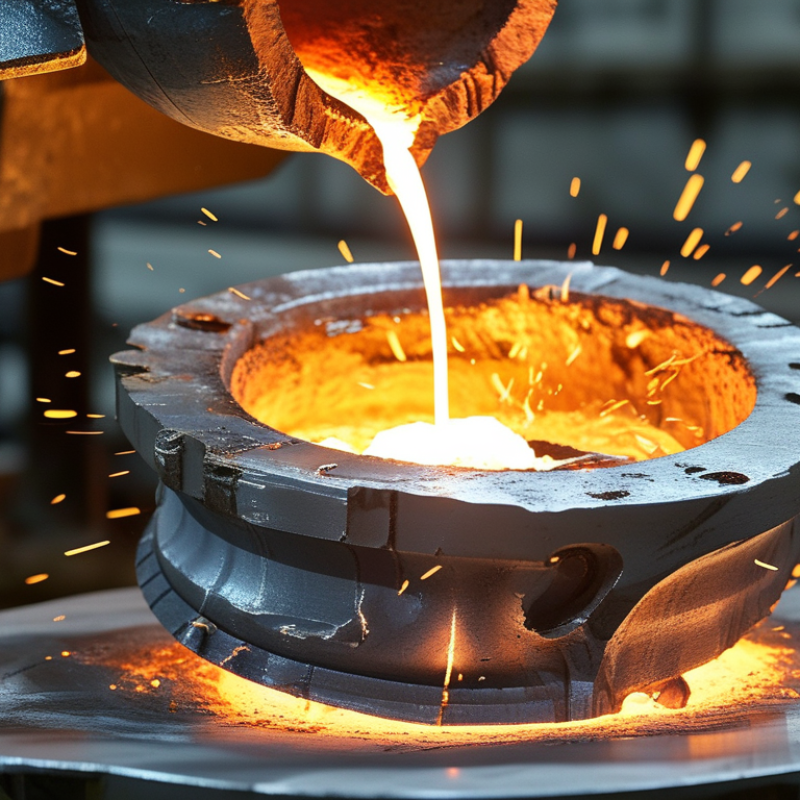
Understanding the basics of aluminum pouring techniques is essential for achieving quality results. Aluminum is a versatile metal that requires careful handling. The pouring process involves melting aluminum and transferring it to molds. Each step of this process affects the final outcome.
One key tip is to maintain proper temperature. Aluminum must be heated to about 1300°F (700°C) for optimal pouring. Too low a temperature might result in poor flow and unwanted defects. Another important aspect is mold preparation. Properly preheated molds can minimize the risk of thermal shock. A good practice is to check the integrity of molds regularly.
Pouring speed is also critical. A steady, controlled pour helps ensure uniform filling. If the speed is too fast, it can lead to turbulence and inclusions. Reflecting on common mistakes can improve techniques. For instance, poor venting in molds can trap gases. Identifying these issues will lead to better practices in future projects. Each pour provides a learning opportunity. Embrace the imperfections to refine your skills.
Choosing the Right Equipment for Aluminum Pouring
Choosing the right equipment for aluminum pouring is crucial for successful outcomes. A recent industry report indicates that up to 30% of defects in castings can be traced back to improper equipment selection. Understanding the different types of furnaces is essential. Electric furnaces tend to provide more precise temperature control, but gas furnaces can offer faster heating times for larger operations.
Molds are equally important. Aluminum pouring often requires sand or metal molds. Each type has its own advantages, with metal molds allowing for better surface quality. A study revealed that using metal molds can reduce cooling times by 20%, enhancing overall cycle efficiency.
However, metal molds typically have higher initial costs, posing a dilemma for smaller operations. The pouring tools must also not be overlooked. Proper ladles and pouring cups can significantly reduce turbulence during the pour. This minimizes oxidation, which is a common source of defects.
Ultimately, the selection process requires careful consideration and adjustments based on specific project demands. Regular maintenance and equipment updates are vital. Adapting to new technologies could also improve pouring accuracy and reduce scrap rates.
Preparing the Mold and Metal for Optimal Results
Preparing the mold and metal is crucial for successful aluminum pouring. Start with a clean mold, free from dust and debris. Cleanliness ensures a smooth surface and better detail in the final product. A well-prepared mold helps avoid defects and improves the overall quality of the casting.
Heating the mold can also enhance the pouring process. Warm molds reduce thermal shock. This can lead to fewer cracks and improve adhesion of the metal. Use a suitable temperature based on the type of aluminum. Monitoring temperature is essential. Too hot or too cold can cause issues.
Selecting the right aluminum alloy is key. Different alloys behave differently during pouring. Experimentation can help you understand how each choice affects the final casting. Remember that every pour teaches something. Reflect on your results to refine your technique for the next time.
Mastering Temperature Control During Aluminum Pouring
Mastering temperature control during aluminum pouring is crucial for quality and consistency. Proper temperature management ensures optimal fluidity, preventing defects in the final cast. Maintaining the right pouring temperature between 680°C and 720°C is essential. Too high a temperature can lead to oxidation, while too low can cause solidification before completion.
Experienced foundry workers know that a stable temperature is key. Use thermocouples to monitor the melt, and avoid sudden temperature fluctuations. Allowing time for temperature equalization can improve the pouring process. If the melt cooler than expected, pause and recalibrate. This moment of reflection can make a significant difference.
Keep in mind that not all aluminum alloys behave the same. Some may require specific temperature ranges for ideal results. Testing different pouring practices can lead to unexpected challenges. It’s essential to document these anomalies to refine future techniques. Adjusting your approach based on past experiences can enhance efficiency and reduce waste in the foundry.
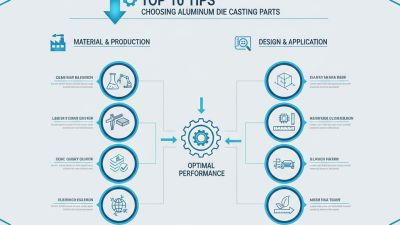
Top 10 Tips for Successful Aluminum Pouring Techniques
This chart displays the importance level of various aluminum pouring techniques. Each technique is rated on a scale from 1 to 10, with higher ratings indicating greater significance in achieving successful aluminum pouring outcomes.
Safety Precautions and Best Practices in Aluminum Pouring
When pouring aluminum, safety is paramount.
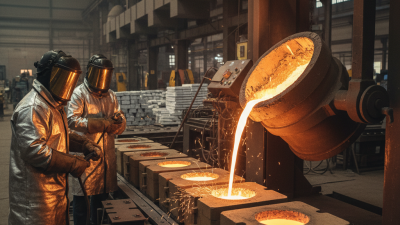
In a 2021 study by the Aluminum Association, nearly 30% of workplace accidents in foundries were attributed to improper handling procedures. Personal protective equipment (PPE) is essential. Workers should wear heat-resistant clothing, gloves, and face shields. These measures can significantly reduce the risk of burns and injuries caused by molten metal.
Ventilation is another critical factor. Poor air quality can expose workers to harmful fumes, particularly in enclosed spaces. The American Conference of Governmental Industrial Hygienists recommends maintaining a ventilation rate of at least 20 air changes per hour in work areas. This practice can help prevent respiratory problems and ensure a safer working environment.
Common mistakes include neglecting equipment maintenance. Over time, casting tools can wear down, increasing the risk of breakage during the pouring process. Implementing regular inspections and maintenance routines can enhance both safety and quality. Training programs should also emphasize the importance of following pouring protocols rigorously. Without proper training, mistakes can easily occur, leading to hazardous situations that could have been avoided.

 +86-13516964051


 CONTACT NUMBER
 CONTACT NUMBER