Top Techniques for Efficient Aluminum Pouring in Metal Casting Process?
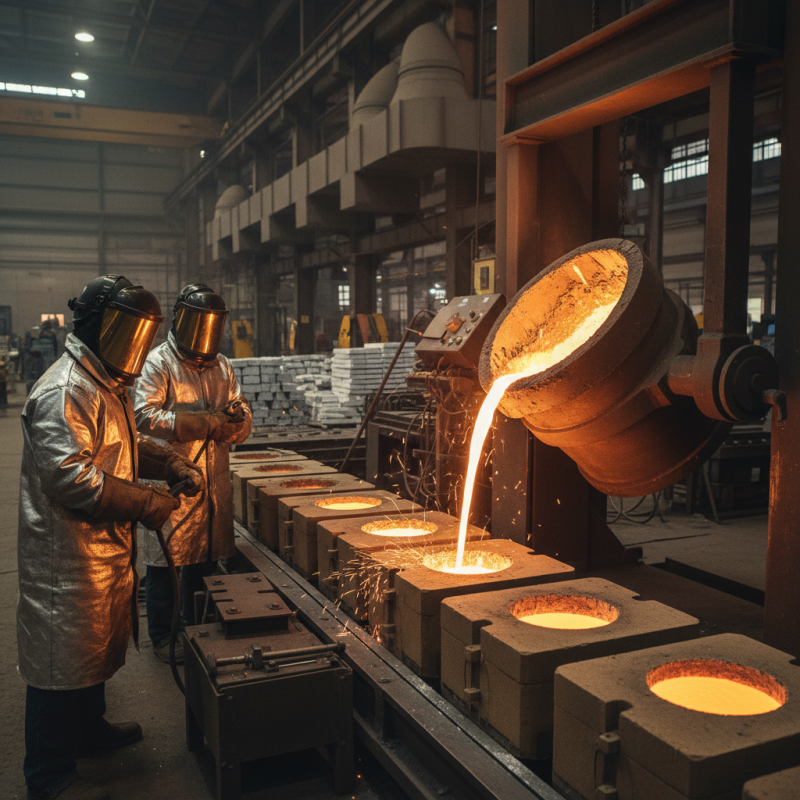
Aluminum Pouring is a crucial step in the metal casting process. Precise techniques can enhance quality and reduce waste. Pouring aluminum requires careful control of temperature and timing. Too hot, and defects may form. Too cold, and flow issues arise.
The efficiency of aluminum pouring directly impacts the final product. A well-executed pour ensures integrity in the cast. However, challenges often exist. Common issues include inconsistent flow rates and air entrapment. These problems can lead to structural weaknesses in the finished part.
Technological advancements offer solutions, yet human factors also play a role. Operators must be trained to adapt and respond. Mistakes during the pouring process can result in costly rework. Continuous improvement and reflection are essential for achieving mastery in aluminum pouring.
Understanding the Metal Casting Process for Aluminum Pouring
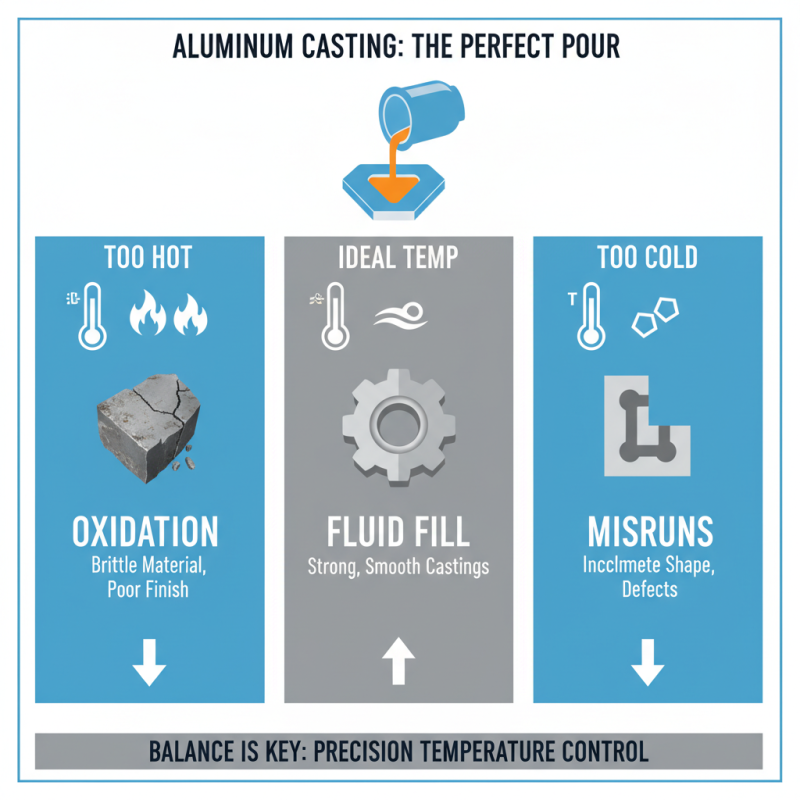
Aluminum pouring in metal casting requires a careful understanding of the process. The temperature of the molten aluminum is crucial. If it’s too hot, the material may oxidize. Too cold, and it might not fill the mold properly. Maintaining the right temperature is a delicate balance.
The pouring technique also plays a role. Pouring too quickly can lead to turbulence, causing defects. A slower, controlled pour allows the aluminum to settle and fill the mold evenly. This requires practice and precision. Many casters find themselves frustrated with air pockets. These can ruin a cast piece. Adjusting the pouring angle and speed may help, but it takes time to perfect.
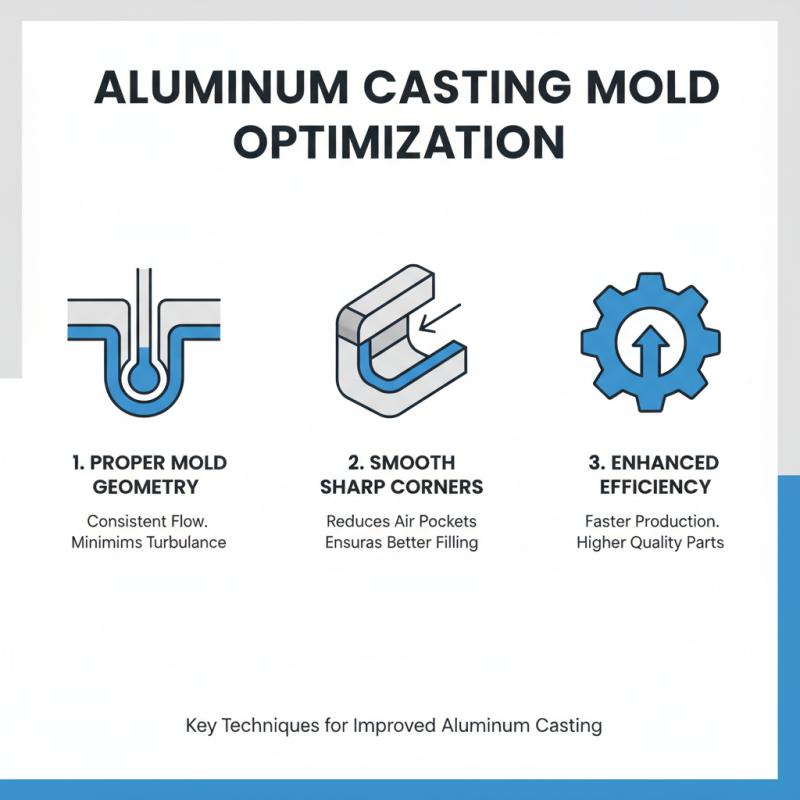
Understanding mold design is equally important. Complex shapes can trap air, leading to issues. Simple, open designs often yield better results. Yet, achieving the perfect mold often requires iterations and adjustments. This trial-and-error process, while frustrating, is part of mastering aluminum casting. Real improvements come through experience and reflection.
Key Factors Influencing Aluminum Pouring Efficiency
Aluminum pouring efficiency in metal casting is influenced by several key factors. The temperature of the metal is crucial. If the aluminum is too cold, it won’t flow well. If it's too hot, it can create defects. Ensuring the right pouring temperature minimizes issues like oxidation and increases fluidity.
Mold preparation is another vital element. Properly designed and coated molds can enhance the pouring process. Flaws in mold surfaces can lead to poor quality castings. Additionally, the pouring speed matters. A fast pour may create turbulence, while a slow one can lead to premature solidification. Finding a balance is necessary for optimal results.
Environmental conditions also play a role. Humidity and temperature in the casting area can affect the aluminum. A damp environment may cause moisture to react with molten metal, leading to defects. Regular monitoring of these factors is essential. Adapting to varied conditions can improve outcomes but requires constant reflection and adjustment. Experimenting with different techniques brings both successes and failures, which are important for growth in the casting process.
Best Practices for Temperature Control During Aluminum Pouring
Temperature control is critical during aluminum pouring. Research indicates that achieving the optimal pouring temperature can reduce defects in castings by up to 70%. The ideal temperature for aluminum is typically between 1300°F and 1400°F. Pouring at this range minimizes oxidation and ensures better fluidity of the metal.
Maintaining consistent temperatures poses challenges. Variations in furnace temperatures can lead to cold pours. Insufficient heating might result in inconsistent flow, causing shrinkage defects. Sensors and thermocouples are essential for accurate temperature readings. Manual monitoring can be prone to human error, impacting casting quality.
Moreover, mold materials influence heat retention. Using insulating materials can stabilize temperatures. However, too much insulation can lead to excessive heat loss over time. Each foundry must find a balance. Continuous adjustment and close monitoring are required. The complexity suggests that even minor discrepancies in temperature can lead to significant quality issues. Attention to detail in this aspect is crucial for successful aluminum casting.
Top Techniques for Efficient Aluminum Pouring in Metal Casting Process
| Technique |
Description |
Optimal Temperature Range (°C) |
Key Benefits |
| Pre-heating the Mold |
Heating the mold prior to pouring to reduce thermal shock. |
150 - 300 |
Improves surface finish, reduces defects. |
| Controlled Pouring Rate |
Maintaining a consistent and controlled pouring rate during the process. |
Between 700 - 750 |
Minimizes turbulence, enhances filling accuracy. |
| Thermal Analysis |
Using thermal analysis to predict solidification times and optimize cooling rates. |
Variable, analyze specific alloy |
Improves casting properties and reduces defects. |
| Alloy Selection |
Choosing the right aluminum alloy based on casting requirements. |
Dependent on alloy type |
Enhanced strength and ductility of the final product. |
| Use of Inoculants |
Adding inoculants to improve grain structure and casting quality. |
N/A |
Better mechanical properties and surface finish. |
Common Challenges in Aluminum Pouring and Their Solutions
When working with aluminum pouring in metal casting, several challenges often arise. Temperature control is critical. Pouring aluminum too hot can lead to oxidation, which weakens the final product. On the other hand, pouring at lower temperatures can cause the metal to solidify too quickly, trapping air bubbles. Monitoring the melt temperature is essential for achieving optimal fluidity.
Another issue is the mold design. If the mold has insufficient vents, gases can accumulate during pouring. This situation often results in defects. Implementing venting systems can help alleviate this problem. The inclusion of risers is also vital to ensure that the molten aluminum flows smoothly and fills the mold completely.
Furthermore, worker handling plays a role in the process. Inadequate training can lead to unsafe practices. No one wants to face spills or accidents. Regular training and clear protocols can significantly improve pouring efficiency. Nevertheless, every casting situation is unique. Continuous evaluation of these techniques is necessary for success.
Top Techniques for Efficient Aluminum Pouring in Metal Casting Process

 +86-13516964051


 CONTACT NUMBER
 CONTACT NUMBER