10 Tips for Choosing the Right Sand Manufacturing Machine
Choosing the right Sand Manufacturing Machine is crucial for businesses looking to optimize their production. Recent industry reports indicate that the global sand manufacturing market is expected to grow significantly, driven by increasing construction activities. A well-chosen machine can lead to a 30% increase in efficiency, according to a study by the International Association of Sand Producers.
Dr. Emily Turner, a leading expert in sand production technology, emphasizes, "Selecting the right equipment is not just an investment; it shapes the future of your operations." This highlights the importance of careful consideration and strategic selection in the buying process. Many companies face the challenge of navigating the myriad options available. It's easy to get caught up in features that provide minimal benefit.
Understanding your specific needs is essential. Different machines offer various capabilities. A mismatch can lead to increased operational costs and inefficiencies. Companies must reflect on their goals and required output. Making informed choices will ensure long-term success and sustainability in the competitive market landscape of sand manufacturing.
Understanding the Different Types of Sand Manufacturing Machines
When considering the selection of a sand manufacturing machine, it's essential to understand the various types available. The industry sees significant diversity in these machines, catering to different needs. According to a recent market report, the global sand manufacturing market is projected to reach $23 billion by 2026, reflecting the growing demand for high-quality sand.
Among the common types of machines are vertical shaft impactors (VSIs) and sand washers. VSIs are known for their ability to produce fine sand with a uniform grain size. However, they often require more electricity and maintenance. Sand washers, on the other hand, focus on removing impurities. They generally consume less electricity but may not produce the highest quality sand. A study shows that around 45% of users face challenges in machine upkeep, stressing the need for careful selection.
It's also important to examine performance metrics. Machines should provide consistent output and desired granule size. However, user reviews indicate that many machines struggle with operational efficiency. In some cases, up to 30% of sand produced fails quality tests. Therefore, understanding these differences is crucial to make an informed choice. Balancing quality, efficiency, and maintenance will lead to better outcomes in sand manufacturing.
Key Features to Look for in a Sand Manufacturing Machine
When selecting a sand manufacturing machine, certain features are essential for ensuring efficiency and effectiveness. Look for the type of material it handles. Machines vary significantly in their handling of raw materials. According to industry reports, the correct choice can increase production by up to 30%. This can also affect the quality of the final product.
Tip: Assess the machine's energy consumption. Machines that are energy-efficient can reduce operational costs. Some models may save up to 20% in energy use compared to others. This aspect is crucial for long-term sustainability.
Another key feature is automation. Many modern machines integrate advanced technology. Automated systems can streamline operations, reducing labor costs. However, some machinery may require extensive training. This is an area where manufacturers often overlook potential issues.
Tip: Always examine maintenance requirements. Some machines have hidden upkeep needs, which can lead to unexpected downtime. Industry statistics show that nearly 15% of production losses occur due to machine malfunctions. Understanding these factors can help make a more informed decision.
10 Tips for Choosing the Right Sand Manufacturing Machine
| Feature |
Description |
Importance |
| Production Capacity |
The amount of sand that can be produced within a certain timeframe. |
High capacity ensures efficiency and meets market demand. |
| Energy Efficiency |
The amount of energy consumed to produce a specific volume of sand. |
Lower energy usage reduces operating costs and environmental impact. |
| Maintenance Requirements |
How often the machine requires upkeep or repairs. |
Lower maintenance leads to reduced downtime and costs. |
| Material Compatibility |
Types of raw materials the machine can process. |
Versatility to handle different materials increases usability. |
| Automation Level |
Degree of automation in the production process. |
More automation reduces labor costs and increases consistency. |
| Size and Footprint |
Physical dimensions of the machine and space it requires. |
Smaller footprint can be beneficial in limited spaces. |
| Cost |
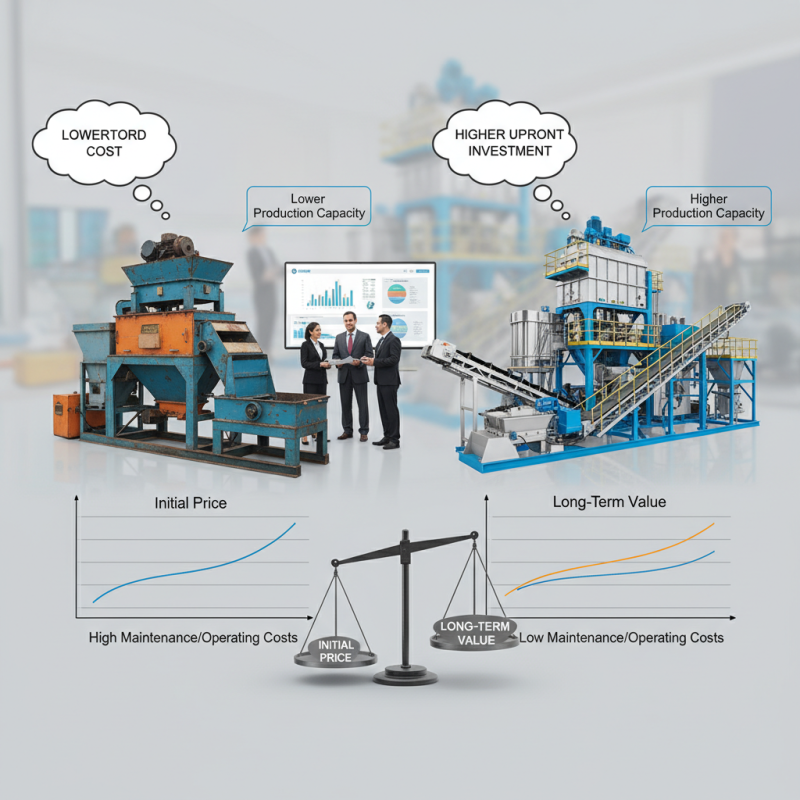
Initial purchase price of the machine. |
Budget considerations impact the choice of machinery. |
| Supplier Support |
Availability of ongoing support and services from the manufacturer. |
Good support ensures smooth operation and quick issue resolution. |
| Safety Features |
Built-in safety mechanisms to protect operators and machinery. |
Enhances workplace safety and reduces liability risks. |
| Recycling Capabilities |
Ability to recycle materials within the manufacturing process. |
Supports sustainability efforts and reduces material costs. |
Evaluating Production Capacity for Your Needs
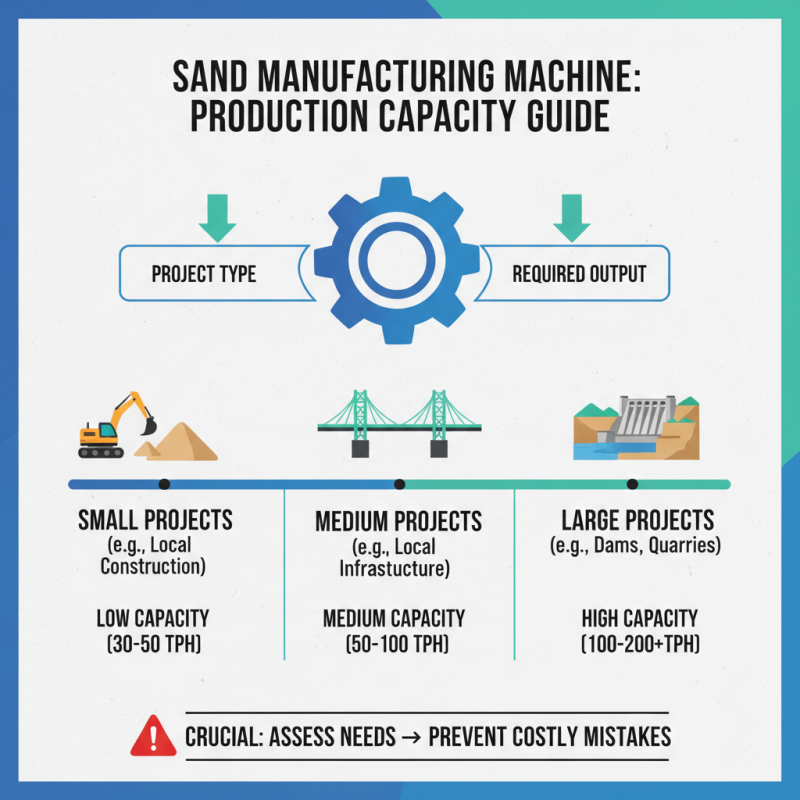
When choosing a sand manufacturing machine, understanding production capacity is crucial. Different projects require varying outputs. Assessing these needs correctly can prevent costly mistakes.
Research shows that a medium-sized sand manufacturing operation typically requires a production capacity of at least 50 tons per hour. This aligns with industry standards but may not suit every project. For smaller jobs, a machine with a capacity of 20-30 tons per hour might suffice. However, if you underestimate your needs, delays can occur.
Consider the scalability of the machine. Can it accommodate future expansions? If demand increases, you'll want a machine that can scale up. A report from a leading manufacturing firm found that 30% of businesses regret underestimating capacity. They faced production halts and lost revenue. Look closely at your long-term needs rather than focusing solely on immediate requirements.
Considering Maintenance and Support Services for Longevity
When selecting a sand manufacturing machine, maintenance and support services play a crucial role in ensuring longevity. Regular maintenance helps to identify potential issues early. This can prevent costly repairs down the line. A machine with a robust support system can reduce downtime. Quick response times are critical. If a machine malfunctions, you want prompt assistance.
Consider the availability of spare parts. Machines that require less frequent replacements may save money in the long run. It's essential to reflect on the convenience of servicing options. Local support can be invaluable. Machines that need to be shipped for repairs can lead to extended waiting times. Furthermore, assess the manufacturer’s credibility. Research their track record for post-purchase support. Customer testimonials can provide insight into their reliability.
Be cautious about assuming all machines are equal in durability. Cost-cutting features may lead to compromise on quality. Speak to existing users about their experiences. Sometimes, the best insights come from those who have used the products. Their reflections can guide you toward a more informed decision. Regular training for operators is another factor to consider. Proper handling extends the life of the machine significantly.
Sand Manufacturing Machines Maintenance and Support Services Analysis

 +86-13516964051


 CONTACT NUMBER
 CONTACT NUMBER