Top 10 Aluminum Casting Machines You Need for Your Business?
In today's competitive manufacturing landscape, investing in an Aluminum Casting Machine is crucial for success. These machines create intricate components with exceptional precision. Quality equipment can enhance production efficiency and reduce waste, impacting your bottom line positively.
Choosing the right aluminum casting equipment can be daunting. The diverse range of machines may confuse even experienced professionals. Understanding your specific production needs is vital. Some businesses may require high-output machines, while others focus on precision and detail.
Moreover, it's essential to consider the reputation and reliability of a manufacturer. Not all machines are created equal. Some may offer advanced features but lack durability. A deeper analysis of each machine's specifications helps in making an informed decision. Ultimately, investing in a high-quality Aluminum Casting Machine can significantly elevate your operations.
Overview of Aluminum Casting Machinery
Aluminum casting machinery is essential for businesses seeking efficiency and quality. The industry has seen a rise in demand, with an expected growth rate of 5.2% from 2021 to 2028, according to market research reports. Businesses are increasingly recognizing the value of investing in modern casting technologies. These machines enhance production speed and precision while reducing waste.
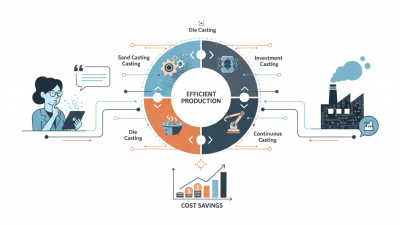
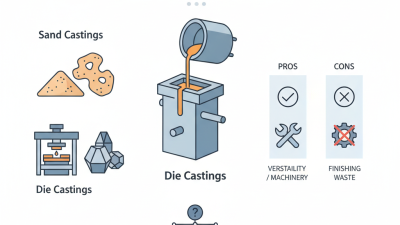
When selecting aluminum casting machines, businesses face numerous challenges. Understanding the specific casting methods—such as gravity, die, and low-pressure casting—is crucial. Each method has unique advantages and drawbacks. For instance, die casting offers high volume production but can be costly for low volumes. On the other hand, gravity casting is simpler but may yield less intricate designs. This complexity necessitates thorough research and expert consultation.
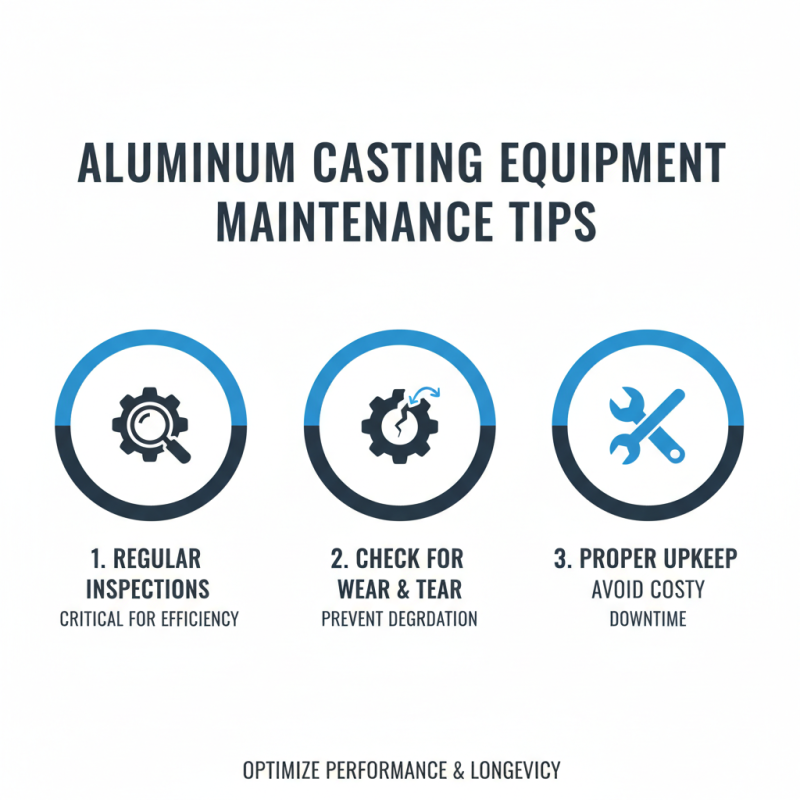
Investing in advanced machinery requires careful consideration of operational costs. Although initial costs can be high, the long-term benefits often justify the investment. However, many businesses may underestimate the need for regular maintenance and training. Poor upkeep can lead to machinery breakdowns and increased downtimes. This can negate the efficiencies gained from modern systems. Thus, businesses must weigh the costs and plan accordingly.
Top 10 Aluminum Casting Machines You Need for Your Business
| Machine Model |
Type |
Production Rate (units/hour) |
Melting Capacity (kg) |
Energy Consumption (kW) |
| Model A |
Hot Chamber |
200 |
150 |
50 |
| Model B |
Cold Chamber |
180 |
120 |
60 |
| Model C |
Die Casting |
220 |
200 |
70 |
| Model D |
Sand Casting |
150 |
300 |
40 |
| Model E |
Investment Casting |
100 |
100 |
30 |
| Model F |
Shell Molding |
130 |
80 |
20 |
| Model G |
Pressure Die Casting |
250 |
250 |
75 |
| Model H |
Gravity Die Casting |
160 |
110 |
55 |
| Model I |
Low Pressure Die Casting |
140 |
90 |
35 |
| Model J |
Centrifugal Casting |
120 |
60 |
25 |
Key Factors to Consider When Choosing Casting Machines
When choosing the right aluminum casting machines, several key factors should guide your decision. The first is production capacity. Assess how much aluminum you need to cast daily. Machines vary in output, so select one that meets your production demands without excess. It’s crucial to avoid under or overestimating your needs.
Another factor is the machine’s technology. Different machines use various methods, including gravity, low-pressure, or die casting. Each method has its benefits and limitations. Understanding these methods can help you choose a machine that aligns with your specific casting requirements.
**Tip:** Always consider energy efficiency. Machines that use less energy can significantly reduce operational costs over time.
Maintenance and support are also vital considerations. Look for machines that are easy to maintain. Availability of spare parts and technical support is crucial for minimizing downtime. An underperforming machine can lead to production delays. Investing in a reliable machine can pay off in the long run.
**Tip:** Research user reviews for real-world insights on performance and maintenance experiences. This can provide clarity on potential issues you might face.
Top 10 Aluminum Casting Machines Comparison
Top 10 Recommended Aluminum Casting Machines
When choosing aluminum casting machines, understanding the right options is crucial. The market for aluminum casting is growing. According to a recent industry report, global aluminum casting production is expected to reach 17 million tons by 2025. This reflects an annual growth rate of around 4%. The increased demand for lightweight materials in automotive and aerospace industries drives this trend.
Key features to consider include energy efficiency, casting precision, and technological innovations. Research indicates that energy-efficient machines can reduce operational costs by up to 30%. Moreover, advanced casting techniques improve product quality significantly. Choosing the right machine often requires assessing various models and their specific capabilities.
Consider issues such as maintenance and support. A reliable machine may incur lower long-term costs. However, if support is lacking, it can lead to increased downtime. Many businesses overlook the importance of service agreements and training. Investing in a machine with robust after-sales support can enhance operational efficiency. Always review user feedback and expert insights to avoid common pitfalls in purchasing decisions.
Comparative Analysis of Machine Features and Specifications
When assessing aluminum casting machines, understanding their specific features and specifications is crucial for informed investment decisions. Each machine varies in capabilities, impacting both productivity and product quality. According to a 2023 industry report, machines with high-speed pouring technologies significantly reduce cycle times by as much as 40%. This efficiency means higher output without compromising quality, making such features a priority.
Advanced automation is another critical feature. Machines equipped with automated processes can enhance precision while minimizing human error. Statistics show that automated systems can increase consistency in castings by up to 30%. However, the initial investment may be substantial. Businesses must weigh the potential for long-term gains against upfront costs. Understanding the differences in melting capacities, cooling times, and die life can also influence operational efficiency.
Another area of concern is maintenance. Machines with robust support structures and easy access for repairs tend to have lower downtime rates. Data reveals that downtime can cost manufacturers nearly 5% of their annual revenue. Focusing on machines that allow for quick maintenance could prevent significant losses. Thus, a careful examination of these aspects is essential for optimizing both current operations and future growth in the aluminum casting industry.

 +86-13516964051


 CONTACT NUMBER
 CONTACT NUMBER