Top 5 Sand Manufacturing Machine Options for Efficient Production?
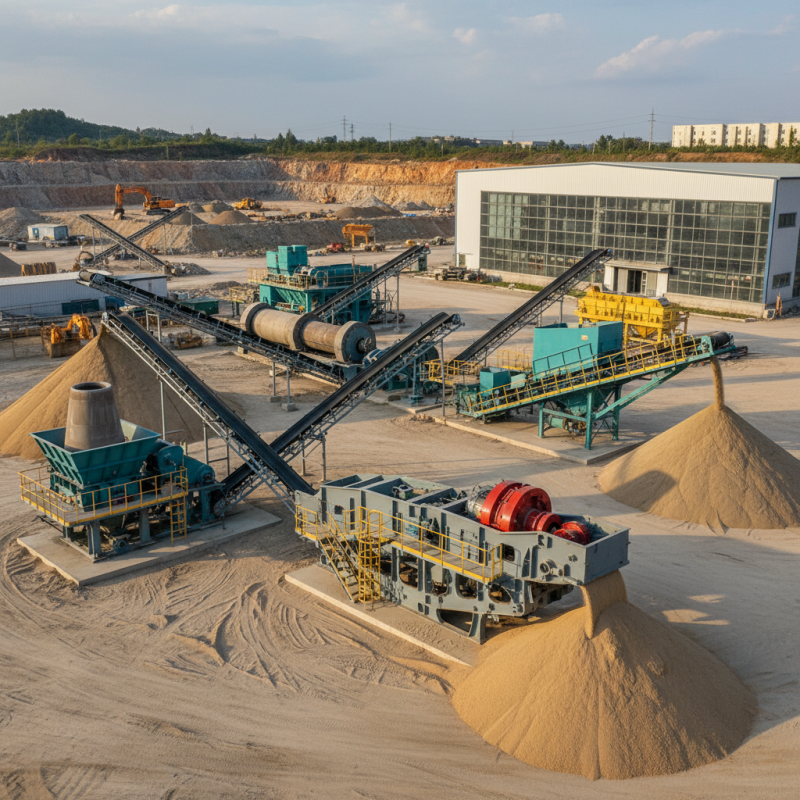
In the realm of construction and manufacturing, the demand for high-quality sand is surging. To meet this need, selecting the right Sand Manufacturing Machine is crucial. These machines play a vital role in producing consistent and reliable sand for various applications.
Industry experts recommend evaluating different machines based on efficiency, output quality, and production capacity. Each Sand Manufacturing Machine offers distinct advantages. However, understanding the limitations of each option is essential for making the right choice.
Investing in the correct machinery can drastically impact operational efficiency. Yet, many companies overlook critical factors in their decision-making process. Staying informed and conducting thorough research increases the chances of success in sand production. This guide will explore the top five Sand Manufacturing Machine options, providing insights to aid informed choices.
Introduction to Sand Manufacturing Machines and Their Importance
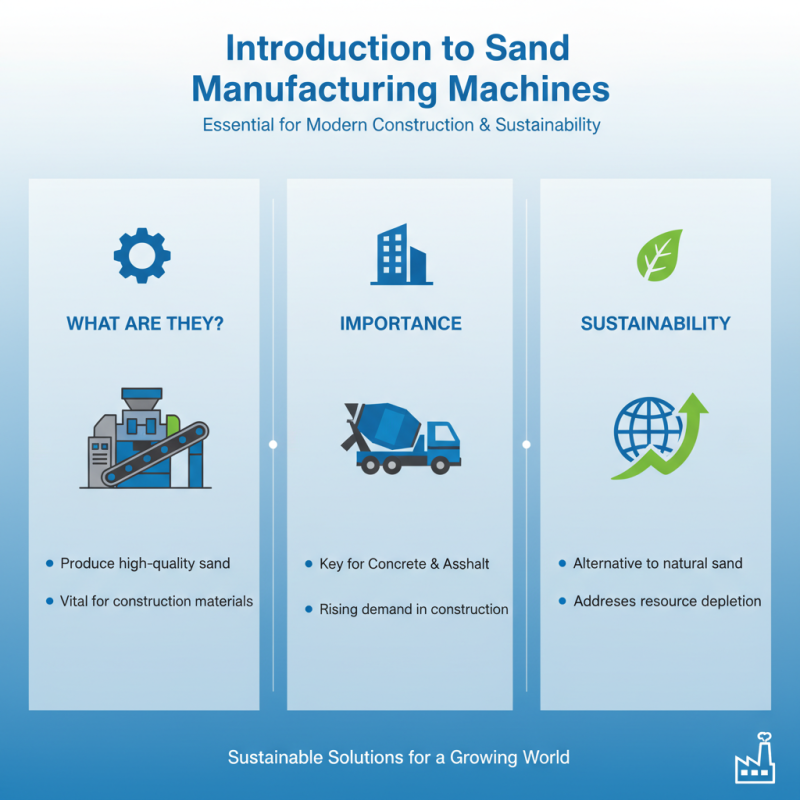
Sand manufacturing machines play a vital role in the construction and manufacturing industries. These machines produce high-quality sand, which is essential for concrete, asphalt, and other construction materials. Their importance cannot be understated, as the demand for manufactured sand continues to rise. With the increasing depletion of natural sand resources, these machines provide a sustainable alternative.
Effective sand manufacturing relies on the design and technology of the machines. Efficient models utilize advanced crushing and screening techniques. They ensure consistent particle size and quality. A well-designed machine minimizes waste during production, maximizing profits for operators. Users should carefully consider factors such as energy efficiency and maintenance requirements when selecting equipment. While some machines promise high output, their longevity and reliability are equally crucial to ensure ongoing operations without frequent breakdowns.
As with any technology, imperfections exist in current sand manufacturing machines. Some may struggle with varying raw material qualities, leading to inconsistencies. Regular maintenance is necessary to address wear and tear. Operators must be aware of these challenges to adapt and improve processes continually. Through innovation and careful machine selection, businesses can optimize production and meet the growing demands of the market.
Key Features to Consider When Choosing Sand Manufacturing Machines
When choosing sand manufacturing machines, several key features must be evaluated. Efficiency is paramount, as production rates can significantly impact overall profitability. According to industry reports, efficient machines can increase output by over 30%. Efficiency not only enhances production but also minimizes energy costs.
Another critical feature is versatility. Machines that can handle various materials often yield better returns. The ability to process different types of aggregates means businesses can adapt to changing market demands. For instance, recent studies indicate that companies with flexible machinery can respond to fluctuations in supply more effectively.
Durability cannot be overlooked. Equipment facing harsh conditions should be built to last. Average failure rates for subpar machinery can reach 15% within the first year. This results in costly downtimes and repairs. Regular assessments and feedback from experienced operators can help identify which machines truly meet long-term reliability standards. Investing in high-quality, adaptable technology remains essential for sustained success.
Top 5 Sand Manufacturing Machine Options for Various Production Needs
When selecting the right sand manufacturing machine, it is crucial to consider the specific production needs. Different industries require various types of sand, impacting the machine choice. For construction purposes, high-capacity machines that efficiently produce concrete-grade sand are essential. They often utilize advanced technology to optimize particle size and reduce impurities.
Some manufacturers may opt for machines that specialize in producing sand for glassmaking. These machines need to ensure a high level of purity. Regular maintenance and timely replacement of parts can enhance their performance and lifespan. However, operators must balance efficiency and quality. Machines that are highly efficient may sometimes compromise on the quality of sand produced.
Additionally, the production of sand for landscaping demands machines that can create aesthetically pleasing materials. Machines here often focus on producing finer particles. The challenge lies in achieving the desired texture while maintaining productivity. Evaluating the long-term costs and benefits can be daunting but is essential for sustainable operations. Each option presents unique advantages and drawbacks, emphasizing the importance of reflection and careful decision-making in the selection process.
Top 5 Sand Manufacturing Machine Options for Efficient Production
This chart illustrates the production efficiency (in tons per hour) of the top 5 sand manufacturing machine options available, showcasing their capabilities in meeting various production needs.
Comparative Analysis of Efficiency Among the Top Choices
In today's fast-paced construction industry, the right sand manufacturing machine can significantly enhance production efficiency. A recent report by the International Journal of Engineering & Technology highlighted that optimized machinery can increase output by up to 30%. This efficiency gain is crucial for meeting the growing demand for sand in concrete and asphalt production.
Analyzing the top options, metrics such as operational speed, energy consumption, and maintenance requirements reveal notable differences. Some machines operate at faster rates but may consume more energy. Conversely, efficient models reduce energy costs but might have lower production speeds. Industry data indicates that selecting the right balance can result in long-term savings and increased reliability in supply chains.
However, it’s vital to acknowledge that no machine is without flaws. Some may require frequent parts replacement, impacting overall productivity. Additionally, the learning curve for operators can hinder initial performance. A thorough evaluation of these factors helps in choosing the most effective machine for specific needs. Ensuring a fit between machine capabilities and operational demands is key for sustained efficiency.
Top 5 Sand Manufacturing Machine Options for Efficient Production
| Machine Model |
Production Capacity (tons/hour) |
Energy Consumption (kWh) |
Material Efficiency (%) |
Maintenance Frequency (months) |
| Model A |
50 |
200 |
90 |
6 |
| Model B |
75 |
250 |
88 |
12 |
| Model C |
60 |
220 |
92 |
8 |
| Model D |
55 |
210 |
87 |
10 |
| Model E |
65 |
230 |
85 |
5 |
Future Trends in Sand Manufacturing Technology and Equipment
The future of sand manufacturing technology is evolving rapidly. New innovations focus on efficiency and sustainability. Automation plays a key role in increasing production rates while minimizing energy consumption. Advanced sensors and AI technologies can optimize the manufacturing process. This leads to lower operational costs and improved quality of the final product.
Tips: Consider investing in energy-efficient machines. They may have a higher upfront cost but can save money long-term. Regular maintenance is essential to prolong the lifespan of your equipment.
Sustainability is a major trend. Many manufacturers are exploring alternative raw materials. Recycled materials, for instance, can reduce the environmental impact. This not only helps preserve natural resources but also meets growing consumer demands for eco-friendly products. Adapting to these changes is crucial for staying competitive.
Tips: Stay updated on industry trends. Attend workshops and conferences to learn about new technologies. Networking with other professionals can spark innovative ideas for your own manufacturing processes.

 +86-13516964051


 CONTACT NUMBER
 CONTACT NUMBER