2026 Top Vacuum Booster Trends for Global Buyers?
In the ever-evolving automotive sector, the importance of innovative components like the Vacuum Booster cannot be underestimated. Industry expert Dr. Emily Zhang emphasizes this by stating, “The future of vehicle safety greatly relies on advancements in Vacuum Booster technology.” As we approach 2026, global buyers are keenly observing the trends shaping this vital component.
With advancements in materials and technology, manufacturers are focusing on improving the efficiency and reliability of Vacuum Boosters. For instance, adopting lightweight materials can enhance performance without increasing vehicle weight. However, these innovations come with challenges. Some products may face durability issues that require careful consideration.
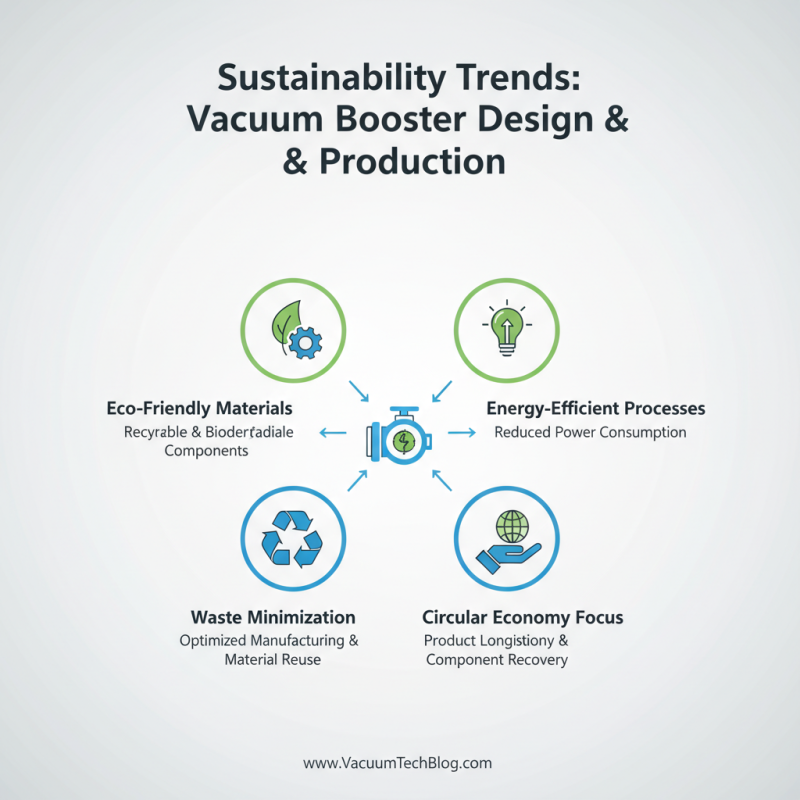
Moreover, as the demand for sustainable solutions rises, exploring eco-friendly materials becomes crucial. Buyers might need to weigh performance against environmental impact. The growing complexity in manufacturing processes adds another layer of uncertainty. These factors highlight the dynamic landscape of the Vacuum Booster industry, where every choice impacts future development and user safety.
Emerging Technologies in Vacuum Booster Systems for 2026
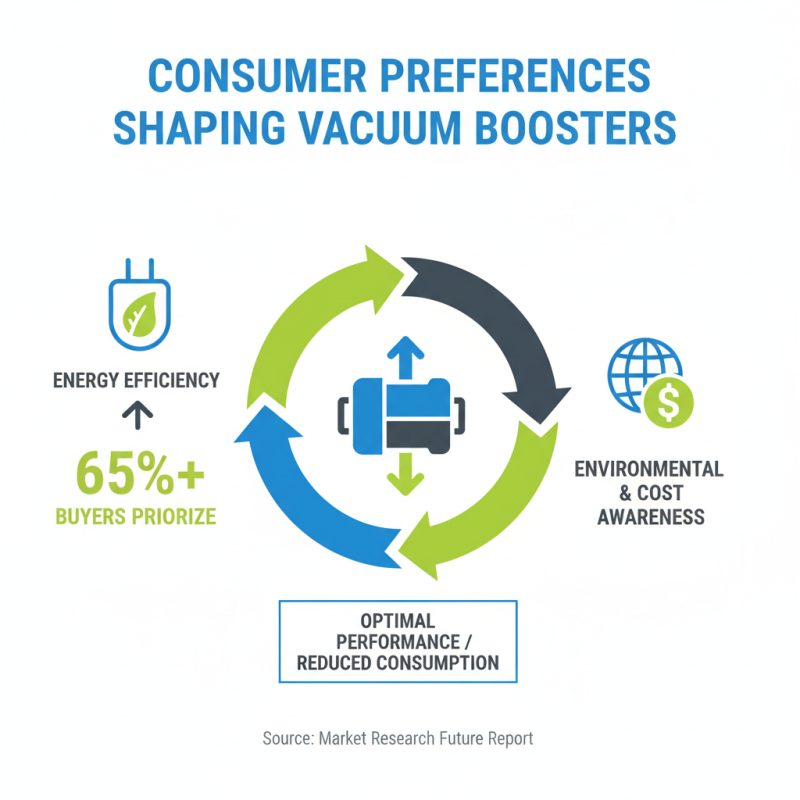
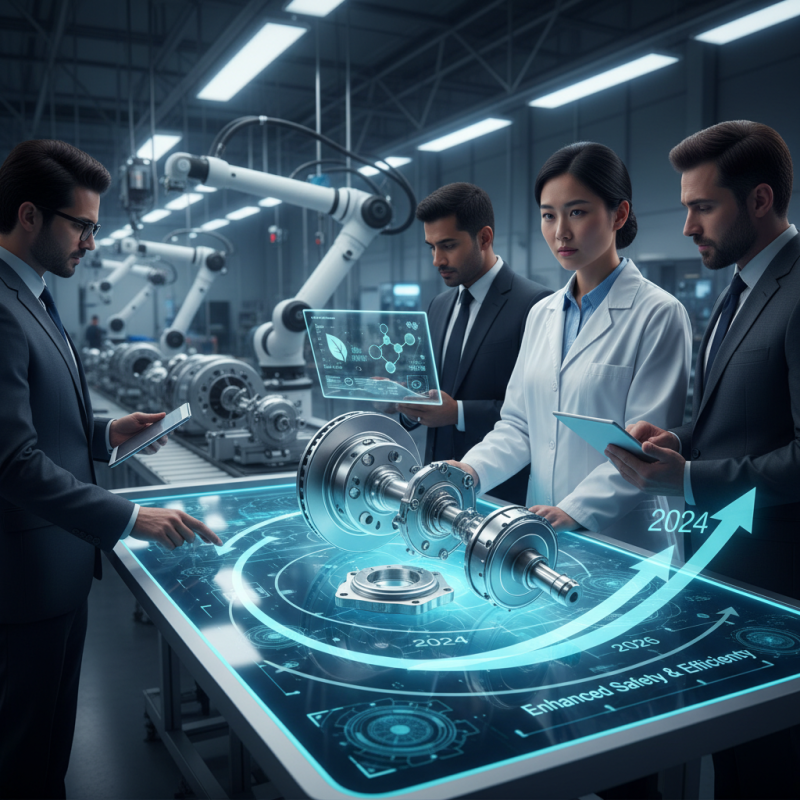
As we approach 2026, the vacuum booster industry is witnessing significant transformations. Advanced materials and smart technologies are paving the way for more efficient systems. Lightweight composites enhance the performance and durability of vacuum boosters. Manufacturers are increasingly focusing on energy-efficient designs to reduce operational costs.
Emerging technologies in vacuum booster systems are reshaping the market landscape. For instance, integrating IoT devices allows real-time monitoring and predictive maintenance. This proactive approach reduces downtime and improves reliability. However, the transition to these technologies may pose challenges. Not all manufacturers are equipped to adapt to rapid advancements. Some may struggle with the integration process, leading to potential inconsistencies in performance.
Sustainability is another critical factor shaping vacuum booster innovations. The push for eco-friendly solutions is driving research into alternative materials. These efforts aim to reduce the environmental impact of production and waste. Despite the clear benefits, there is a learning curve associated with these shifts. Manufacturers often face resource constraints and regulatory hurdles. It remains essential for the industry to balance innovation with practical implementation.
Key Market Players and Their Innovations in Vacuum Boosters
The vacuum booster market is witnessing several key players driving innovation. These companies are enhancing the efficiency and reliability of vacuum boosters. Their focus is on introducing technologies that improve performance while reducing energy consumption. Many players are investing in research to discover alternative materials for better durability. These innovations are crucial as industries seek sustainable solutions.
Recent advancements include the integration of smart technology in vacuum boosters. This allows for real-time monitoring of performance. Automated alerts can inform users about maintenance needs, preventing potential failures. Additionally, some designs now feature noise reduction mechanisms. This caters to industries where quiet operation is essential.
However, the market faces challenges. Not all innovations may meet industry standards. Some products lack rigorous testing, leading to reliability concerns. Buyers must be cautious and conduct thorough evaluations. As the market evolves, experience and expertise in the field will remain valuable for making informed decisions.
2026 Top Vacuum Booster Trends for Global Buyers
| Market Trend |
Description |
Key Innovations |
Projected Growth (%) |
| Smart Vacuum Boosters |
Integration of IoT technology for better control and efficiency. |
AI-driven pressure adjustments. |
15% |
| Energy Efficiency |
Focus on reducing energy consumption and emissions. |
Use of advanced materials that decrease energy loss. |
20% |
| Compact Designs |
Smaller units for easier installation and space management. |
Modular systems for scalability. |
10% |
| Noise Reduction |
Innovations aimed at minimizing operational noise. |
Sound-absorbing materials and designs. |
18% |
| Sustainability |
Increased focus on eco-friendly manufacturing processes. |
Recyclable materials used in production. |
25% |
Global Supply Chain Challenges Affecting Vacuum Booster Availability
The global supply chain has faced significant challenges, especially concerning vacuum boosters. According to recent industry reports, disruptions in logistics and materials shortages have led to increased lead times. The Vacuum Technology market is projected to grow by 5.6% annually, but these growth prospects are hindered by supply chain issues.
Manufacturers are grappling with rising costs for raw materials. In 2022, the cost of certain components surged by over 15%, affecting production capabilities. This volatility challenges suppliers to maintain consistent delivery schedules. Consequently, buyers may face delays in acquiring essential vacuum boosters.
**Tips:** Monitor supply chain trends closely. Ensure that your procurement strategies account for potential delays. Additionally, consider diversifying your supplier base to mitigate risks.
Recent surveys indicate that around 70% of companies reported that supply chain disruptions negatively impacted their operations. As demand grows, it’s crucial to remain adaptable. Companies are encouraged to develop contingency plans and enhance collaboration with suppliers.
**Tips:** Engage in regular communication with your suppliers. Understanding their challenges can lead to more effective solutions. Stay informed about market trends to make better purchasing decisions.

 +86-13516964051


 CONTACT NUMBER
 CONTACT NUMBER