2026 Top Brake Vacuum Pump Buying Guide for Global Buyers
In the automotive industry, the Brake Vacuum Pump is a crucial component for vehicle performance. Understanding its functionality is essential for making informed purchasing decisions. This guide aims to provide valuable insights for global buyers seeking to navigate the diverse market for Brake Vacuum Pumps.
Selecting the right Brake Vacuum Pump involves balancing quality, cost, and reliability. Manufacturers often offer varying designs and specifications. Buyers must consider their specific requirements, such as vehicle type and usage frequency. It's easy to feel overwhelmed by the options available. But, a methodical approach will lead you to the best choice.
Potential buyers should also be aware of common pitfalls. Some pumps may not deliver the promised performance. This can affect braking efficiency and overall safety. Researching brands and reading reviews can mitigate risks. Ultimately, a well-informed decision will ensure that you invest wisely in a Brake Vacuum Pump that meets your needs.
Overview of Brake Vacuum Pumps: Function and Importance
Brake vacuum pumps play a crucial role in modern vehicles. They create the necessary vacuum pressure for efficient brake operation. This pressure helps in amplifying the force applied by the driver on the brake pedal. An effective brake system is essential for vehicle safety and performance.
Understanding the function of these pumps is vital for any vehicle owner. Without a functioning brake vacuum pump, stopping distance can increase. This can lead to dangerous situations on the road. Regular maintenance and timely replacement of these pumps ensure reliability. Many drivers overlook this component, leading to unexpected repairs.
The importance of brake vacuum pumps cannot be understated. They contribute to a smooth and controlled driving experience. Drivers should regularly check their vehicle's braking system. Keeping the brake vacuum pump in optimal condition not only enhances safety but can also improve overall vehicle performance. A well-maintained pump helps prevent larger, more costly issues down the line. Regular inspections can reveal signs of wear, helping maintain the integrity of the braking system.
Types of Brake Vacuum Pumps Available in the Market
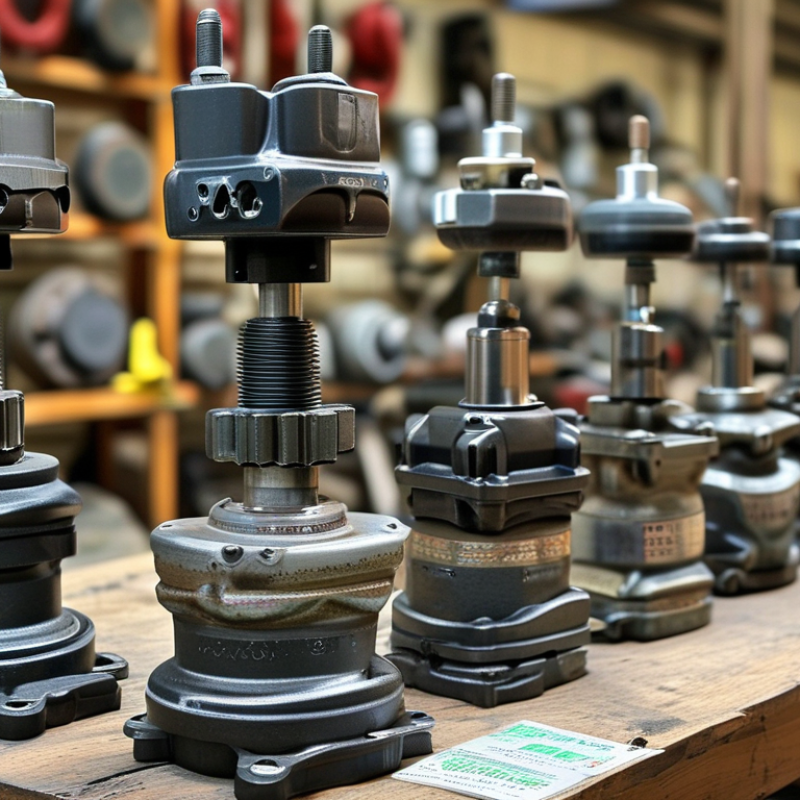
When considering brake vacuum pumps, understanding the types available is crucial. Brake vacuum pumps are essential for enhancing braking efficiency. Different designs cater to various vehicle types and user preferences.
There are mainly two types: diaphragm and rotary vane pumps. Diaphragm pumps work with a flexible diaphragm that creates suction. This design is often quieter and more efficient. On the other hand, rotary vane pumps use sliding vanes within a rotor to generate vacuum. They are generally more rugged but might produce more noise and vibrations.
While choosing a pump, remember that not all pumps suit every vehicle or driving style. Consider factors like vehicle weight and usage conditions. Performance can vary significantly between models, which may lead to overthinking. For example, a pump that performs well in one scenario might underperform in another. Always assess your specific needs, as this will guide you towards a more fitting choice.
2026 Top Brake Vacuum Pump Types and Market Demand
Key Factors to Consider When Purchasing a Brake Vacuum Pump
When purchasing a brake vacuum pump, several key factors should be considered to ensure optimal performance. First, understanding the specific requirements of your vehicle is crucial. The vacuum pump must match the engine's specifications to function effectively. Industry data indicates that improper sizing can lead to reduced braking performance, putting safety at risk.
Tips: Always check the vehicle's manual for compatibility.
Materials used in the pump’s construction can significantly affect durability. High-quality materials resist wear and heat better, prolonging the pump's life. According to a recent market report, over 30% of premature pump failures are due to subpar materials. Therefore, investing in a pump made from robust components is vital.
Tips: Look for pumps with steel or high-grade plastic casing.
Finally, consider the noise levels and efficiency ratings. Some pumps operate quieter than others, which can enhance the driving experience. Efficiency plays a role too; a more efficient pump can improve fuel consumption. Many buyers overlook these aspects, often focusing solely on price. Taking time to research these factors can help in making an informed decision.
Top Brands and Manufacturers for Brake Vacuum Pumps in 2026
Selecting the right brake vacuum pump can be overwhelming. With many brands available, it’s crucial to know the top manufacturers in 2026. Established companies often prioritize quality and innovation. They focus on durable materials and high performance.
Research indicates that efficiency is a key factor for buyers. Users expect pumps that enhance braking systems without compromise. It’s essential to consider not only brand reputation but also user reviews. Sometimes, even well-known brands may fall short in specific aspects, like noise levels or ease of installation.
Stay informed about new technologies in brake vacuum pumps. Innovations can improve functionality significantly. It’s surprising how small advancements create noticeable differences in performance. While some brands may excel in design, others might lag in functionality. Buyers should actively seek feedback to make educated choices.
Maintenance Tips for Maximizing the Lifespan of Brake Vacuum Pumps
Brake vacuum pumps play a crucial role in vehicle performance.
Proper maintenance ensures their longevity and efficiency. Regularly check for wear and tear.
Inspect hoses and connections for leaks. Replacing damaged parts early prevents bigger issues later.
Cleanliness is vital. Keep the pump and surrounding areas free of dirt and debris.
Contaminants can cause premature wear.
Use a soft cloth to wipe down components frequently. It’s easy to overlook, but this simple act can extend the life of your pump.
Listening to your vehicle is essential. Unusual noises may indicate a problem.
Address these sounds quickly; ignoring them may lead to failure.
Routine inspections are key. They allow you to catch potential problems before they worsen.
Following these basic tips will help you avoid costly repairs in the future.

 +86-13516964051


 CONTACT NUMBER
 CONTACT NUMBER