What is Aluminum Alloy Die Casting and Its Benefits for Buyers?
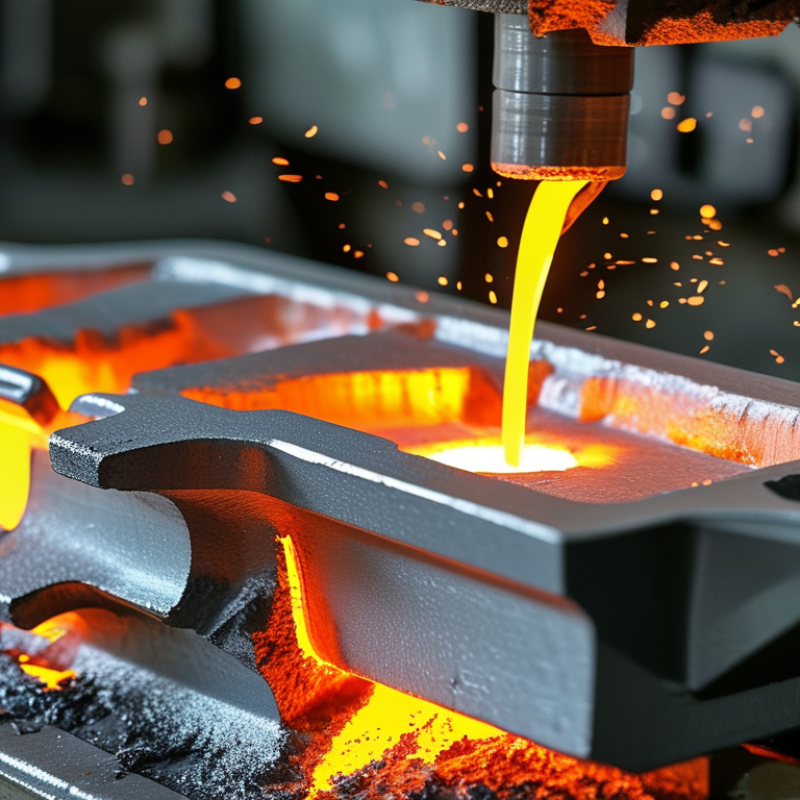
In the realm of manufacturing, "Aluminum Alloy Die Casting" stands out as a key process. Experts like John Smith, a leader in the die casting industry, emphasize its importance. He states, "Aluminum alloy die casting offers exceptional precision and strength for various applications." This process involves pouring molten aluminum into a mold, which solidifies into a precise shape.
The benefits for buyers are significant. Aluminum die castings are lightweight yet durable. They resist corrosion and offer excellent thermal conductivity. These attributes make them perfect for sectors like automotive and electronics. The process is efficient, reducing waste and production costs.
However, challenges exist. Not every design is suited to die casting. Some complex geometries may lead to defects. Buyers must be cautious in their designs to avoid costly mistakes. Understanding the nuances of "Aluminum Alloy Die Casting" can enhance the success of a project.
What is Aluminum Alloy Die Casting?
Aluminum alloy die casting is a manufacturing process that utilizes molten aluminum to create intricate parts. The aluminum is poured into a mold under high pressure, which allows for precision and a smooth finish. This method is favored for its ability to produce complex shapes that are difficult to create using other techniques. The resulting components are lightweight yet strong, making them ideal for various applications.
The benefits of aluminum alloy die casting are numerous. It offers improved strength-to-weight ratios compared to other materials like plastic. The casting process also allows for tighter tolerances and a smoother surface finish. This reduces the need for further machining, saving both time and costs for manufacturers. However, some might struggle with the initial costs of setting up die casting operations. The molds can be expensive and require careful design.
Another aspect to consider is the environmental impact. While aluminum is recyclable, the die casting process can demand significant energy. Buyers should weigh these factors when investing in this manufacturing method. The industry is evolving, and innovations are being made to address these concerns. Exploring these developments can provide valuable insights.
The Process of Aluminum Alloy Die Casting Explained
Aluminum alloy die casting is a process that allows manufacturers to create precise and durable components. This process involves forcing molten aluminum into a mold under high pressure. As the metal cools, it takes the shape of the mold, resulting in complex geometries that are not easily achievable through other manufacturing methods. Studies show that this method reduces waste. Around 80% of aluminum is recyclable, making it an eco-friendly choice.
The die casting process starts with the preparation of the mold. It's critical to ensure the mold is designed correctly. Any small error can lead to defects, making the final product unreliable. A well-designed die can produce thousands of parts with consistent quality. Additionally, the cooling time for aluminum is relatively short, which enhances productivity. Reports estimate that aluminum die casting can produce parts 50-70% faster than traditional manufacturing.
Even with these advantages, there are challenges. For instance, the initial cost of creating a high-quality die can be significant. This investment is often a barrier for small businesses. Some manufacturers may also encounter issues with porosity and surface finish. Addressing these challenges requires expertise and careful planning. Optimizing the design and production process can mitigate many of these issues.
Key Benefits of Aluminum Alloy Die Casting for Manufacturers
Aluminum alloy die casting offers significant advantages for manufacturers. This process allows for the production of complex shapes with high precision. The resulting components are lightweight and highly durable. They possess excellent strength-to-weight ratios, making them ideal for various applications. Manufacturers can benefit from reduced production times. The efficiency of the die-casting process leads to lower labor costs.
Another key advantage is the superior surface finish. Components created through aluminum die casting require less finishing work. This not only saves time but also enhances the aesthetic appeal of the products. Additionally, the recyclability of aluminum supports sustainability goals. Manufacturers looking to reduce their environmental footprint find this particularly appealing.
However, relying exclusively on one method can lead to challenges. The initial cost of die casting equipment can be high. Not all designs are suitable for this technique, and sometimes the complexity of molds can hinder production. Manufacturers must carefully assess their specific needs and consider potential limitations. It may be tempting to overlook these factors for quick gains. Awareness of these nuances ensures more informed decision-making.
Comparison of Aluminum Alloy Die Casting with Other Methods
Aluminum alloy die casting is an efficient manufacturing process. It creates parts with excellent dimensional accuracy. Various methods exist, but aluminum die casting stands out.
When compared to sand casting, aluminum die casting offers superior surface finishes. Sand casting often requires additional machining due to rough surfaces. However, aluminum die casting provides a smooth finish right out of the mold. This reduces secondary processing needs.
Injection molding is another method. It's great for plastic parts, but aluminum die casting excels for metal components. The strength and durability of aluminum castings give them an edge in many industries. Yet, it’s essential to note that the initial setup costs for die casting can be high. Careful consideration of design and volume is crucial for cost-effectiveness.
Tip: Always optimize your design for easier casting. Complex features can create defects. Aim for designs that streamline the casting process while maintaining functionality. This approach can save time and reduce production costs.
Comparison of Aluminum Alloy Die Casting and Other Methods
Applications of Aluminum Alloy Die Casting in Various Industries
Aluminum alloy die casting is used across numerous industries due to its versatility. The automotive sector employs this technique to create lightweight components. These parts improve fuel efficiency while maintaining structural integrity. A well-designed aluminum cast can withstand harsh conditions, making it ideal for engine parts and chassis components.
In the aerospace industry, aluminum die casting produces critical elements like brackets and housings. These parts need to be strong yet light. Aerospace manufacturers rely on precision casting to ensure safety and performance. Recent trends indicate a growing demand for such applications, but the process can sometimes face quality challenges.
Consumer electronics also benefit from aluminum die casting. Lighter enclosures for laptops and smartphones are increasingly popular. They offer both aesthetic appeal and protection. Despite the advantages, manufacturers must continually refine their processes. This ensures high standards while addressing the evolving needs of various industries.

 +86-13516964051


 CONTACT NUMBER
 CONTACT NUMBER