2026 Best Aluminum Cast Parts for Global Buyers Guide?
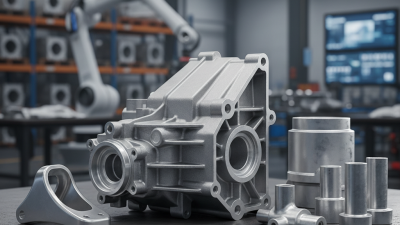
In the ever-evolving landscape of manufacturing, the demand for high-quality Aluminum Cast Parts is on the rise. These components play a pivotal role across various industries, from automotive to aerospace. Understanding the best options available can greatly enhance production efficiency and product durability.
Navigating the global market for aluminum cast parts requires expertise and diligence. Buyers must consider factors like strength, weight, and corrosion resistance. The right components can significantly impact the performance of final products. However, not all suppliers meet the required standards. This makes thorough research essential.
Many manufacturers may claim quality, but how do you differentiate? Look for certifications and industry reputation. Buyers often focus on price, but long-term reliability matters more. A cheaper part might lead to higher costs down the line. In this guide, we will delve into the best aluminum cast parts available in 2026, ensuring an informed purchasing decision for global buyers.
Overview of Aluminum Casting Processes for Parts Manufacturing
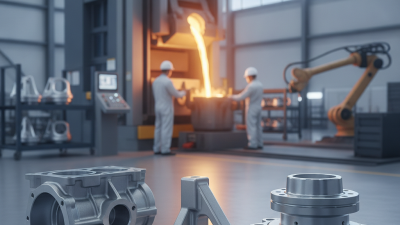
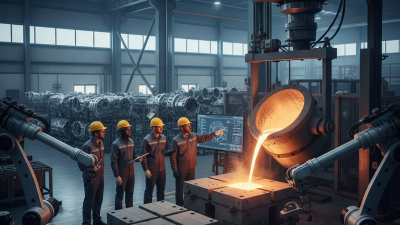
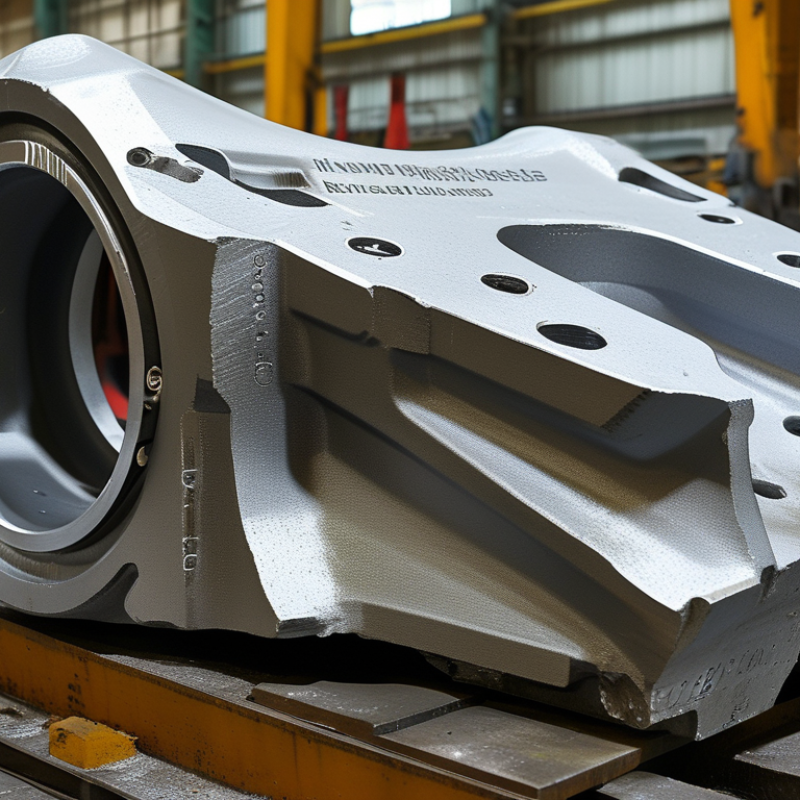
Aluminum casting plays a key role in various manufacturing sectors. This process involves pouring molten aluminum into molds. It can achieve complex shapes and precise dimensions. The global aluminum casting market is projected to reach $35.8 billion by 2026, driven by its lightweight, corrosion-resistant properties. This trend is crucial for industries like automotive and aerospace.
There are several aluminum casting methods. Sand casting is one of the oldest techniques. It is versatile and cost-effective for producing large parts. Die casting, on the other hand, offers high precision for smaller, complex components. Each method has strengths and weaknesses. For instance, while die casting can provide superior surface finish, it also requires higher initial costs.
Continuous advancements in technology are improving casting processes. Automated systems are being implemented for better efficiency. However, challenges remain. Environmental regulations impact the materials and methods used. Manufacturers must adapt to stay competitive. Balancing cost and quality continues to be a vital consideration for aluminum casting producers.
Key Factors to Consider When Selecting Aluminum Cast Parts
When selecting aluminum cast parts, several key factors come into play. Understanding the properties of aluminum is crucial. This material is lightweight yet has excellent strength-to-weight ratios. According to industry reports, aluminum castings can achieve strength levels comparable to that of steel while being 30% lighter. This advantage makes aluminum an optimal choice for aerospace and automotive applications.
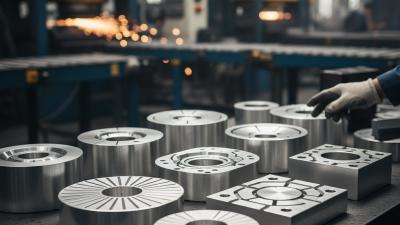
Manufacturers should also consider the casting process. Different methods such as die casting or sand casting produce varied qualities and surface finishes. For example, die casting typically offers finer surface finishes, which may reduce secondary operations. However, the tooling costs for die casting can be high. Understanding these trade-offs can lead to more informed decision-making.
Tips: Always ask for sample parts to evaluate quality. Checking for porosity and other defects can save time and resources later.
Another essential aspect is alloy selection. Different aluminum alloys provide unique characteristics. For instance, 6061 aluminum is popular for its weldability and corrosion resistance. However, it may not perform well in extreme temperatures. Consulting with material experts can greatly enhance the selection process.
In conclusion, being well-informed about these critical factors ensures better purchasing decisions for aluminum cast parts.
Top Global Suppliers of Aluminum Cast Parts for Various Industries
In 2026, the demand for aluminum cast parts continues to rise across various industries. This trend reflects a growing need for lightweight materials that provide durability and corrosion resistance. Many global suppliers are stepping up to meet this demand. They offer a range of products, from automotive components to aerospace parts, showcasing their expertise in aluminum casting.
The leading suppliers are committed to quality and innovation. They employ advanced techniques in their manufacturing processes. High precision is crucial, especially in sectors like aviation and automotive. It ensures that the components perform optimally under stress. Some suppliers also focus on sustainable practices. They aim to reduce waste and recycle materials wherever possible.
Despite the advancements, challenges remain. Not all suppliers maintain consistent quality across their product lines. Some may focus too heavily on cost-cutting, compromising strength and performance. Buyers must conduct thorough research and verify supplier credentials. Engaging with experienced suppliers is crucial for ensuring reliability in the final products.
Quality Standards and Certifications for Aluminum Cast Components
The quality of aluminum cast components directly impacts various industries. Certifications play a crucial role in ensuring that these parts meet the necessary standards. For example, ISO 9001 outlines quality management systems. Compliance with this standard is essential for manufacturers. It ensures consistency and reliability in production processes.
Furthermore, aluminum cast parts often require additional certifications, such as ASTM standards. These standards focus on material specifications. Reports suggest that over 70% of global manufacturers prioritize certified materials. This significantly reduces risks in production. The demand for certified components is expected to increase by 15% annually, indicating its importance in the marketplace.
Quality assurance extends beyond certifications. Many companies engage in routine audits of their processes and suppliers. However, despite established standards, inconsistencies still arise. Reports highlight that nearly 20% of inspected parts still do not meet required specifications. This gap underscores the need for continuous improvement in quality control practices.
Future Trends and Innovations in Aluminum Casting Technologies
The aluminum casting industry is evolving. Advanced technologies are paving the way for greater efficiency and sustainability. One notable trend is the use of 3D printing. This process allows for complex designs that traditional methods can't achieve. It also minimizes waste, making production more environmentally friendly.
Recycling is gaining traction. Many manufacturers aim to increase the use of recycled aluminum. This reduces the need for raw materials and lowers energy consumption. However, sourcing high-quality recycled aluminum presents challenges. Maintaining the integrity of the material during recycling is crucial for performance.
Innovation doesn't stop at materials. Smart manufacturing techniques are becoming increasingly common. Automation and AI enhance precision and speed in casting processes. Yet, these technologies require skilled operators who can troubleshoot and optimize systems effectively. Balancing automation with human expertise remains a point of reflection for the industry.

 +86-13516964051


 CONTACT NUMBER
 CONTACT NUMBER