The Best Aluminum Die Casting Mould Techniques for Efficient Production
Aluminum die casting is a vital process in manufacturing. The efficiency of this process heavily relies on the techniques used in aluminum die casting mould design. Well-designed moulds can significantly enhance production speed and reduce waste. However, achieving optimal results requires deep understanding and expertise.
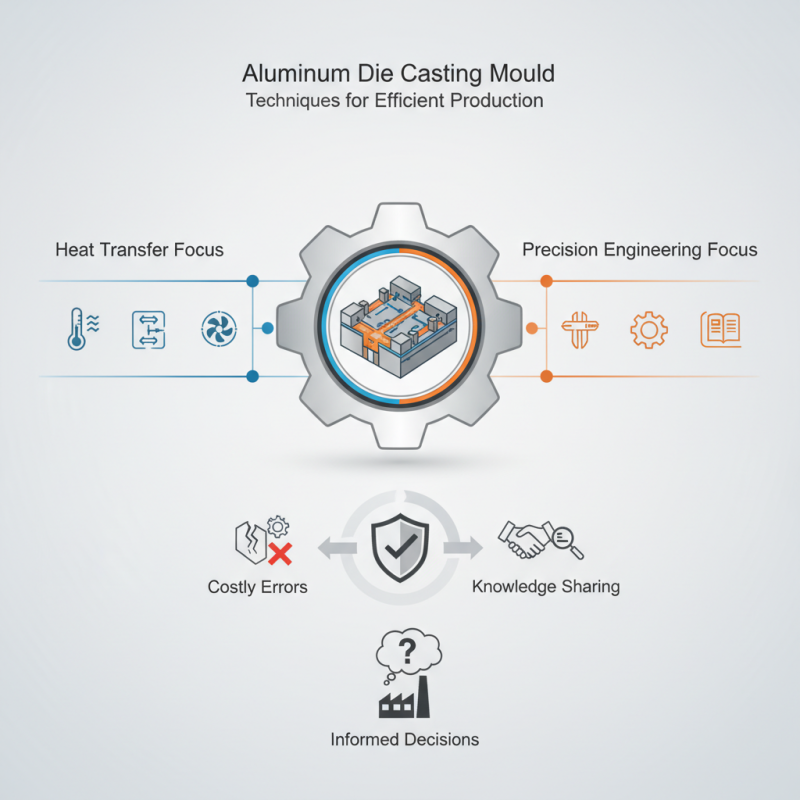
There are various methods to improve die casting mould techniques. Some approaches focus on heat transfer, while others emphasize precision engineering. Each technique comes with its advantages and challenges. Companies must reflect on their specific needs and choose the best solutions, rather than rely on one-size-fits-all methods.
Mistakes in mould design can lead to costly errors. Overlooking basic principles can affect production quality. By sharing knowledge and experiences, manufacturers can refine their techniques. This article delves into the best aluminium die casting mould techniques for efficient production, ensuring you make informed decisions in your manufacturing processes.
Understanding Aluminum Die Casting: Basics and Benefits
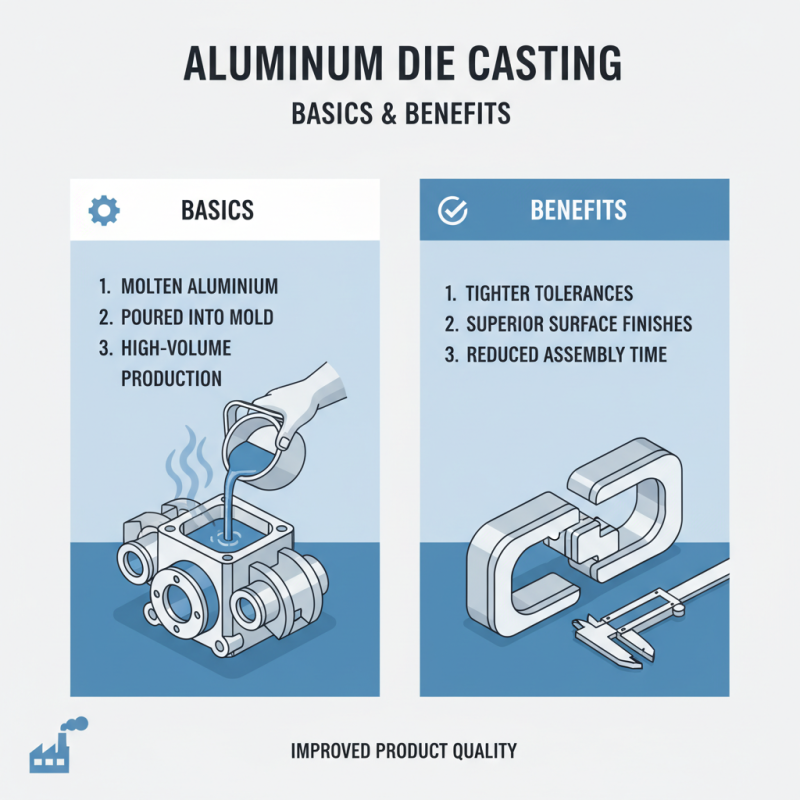
Aluminum die casting is a popular manufacturing process that involves pouring molten aluminum into a mold. This technique offers numerous advantages, making it ideal for high-volume production. According to industry reports, aluminum components produced through die casting can exhibit tighter tolerances and better surface finishes compared to those made from other processes. Such precision helps in reducing assembly time and improving overall product quality.
The benefits of aluminum die casting extend beyond efficiency. The process is environmentally friendly as it generates less waste and recycles aluminum significantly. Recent studies show that die-cast aluminum parts can reduce energy consumption by up to 30% when compared to traditional manufacturing methods. These advantages contribute to reduced costs and a smaller carbon footprint over time.
**Tips:**
Consider regular maintenance of your molds. Well-maintained molds enhance the longevity and performance of the aluminum die casting process.
Experiment with different aluminum alloys. Each alloy can yield varied results in strength and machinability, impacting the final product.
Stay updated with industry trends. Understanding emerging technologies can help you improve efficiency and product quality continuously.
Key Techniques in Aluminum Die Casting Mould Design
Aluminum die casting plays a critical role in manufacturing, particularly in sectors like automotive and electronics. Focusing on mold design can streamline production and enhance efficiency. Key techniques in aluminum die casting mold design involve precise engineering, proper cooling channels, and consideration of part geometry. Effective mold designs can reduce cycle times by 30%, according to recent industry studies.
One vital technique is the incorporation of conformal cooling channels. These channels improve thermal management, ensuring uniform cooling and reducing defects such as warping or surface imperfections. Additionally, mold materials must withstand high pressures and temperatures. Steel is commonly used, but new technologies suggest alternative materials that can be just as effective and lighter.
However, there are challenges. Designing cost-effective molds while maintaining high quality can be tricky. Manufacturers must continuously evaluate their processes. Even small errors in mold design can lead to significant quality issues, resulting in increased production costs. It’s essential to balance design innovation with practical execution, as this will ultimately dictate the success of aluminum die casting projects.
Optimizing Production Efficiency in Die Casting Processes
Die casting is a vital process in manufacturing. It produces complex shapes with great accuracy. However, optimizing production efficiency is crucial to reduce costs and time. Understanding the nuances of die casting techniques can lead to significant improvements.
One effective technique is temperature management. Proper control of metal temperature can enhance fluidity and reduce defects. This requires careful monitoring. It may be necessary to adjust heating elements frequently. Another important aspect is mold maintenance. Regularly inspecting molds for wear and tear can minimize production delays.
Tips: Invest in high-quality lubricants to extend mold life. This simple action can yield tangible benefits. Additionally, training staff in mold handling will enhance their efficiency. Consider conducting regular workshops to keep everyone updated. Technical skills can drift over time if not sharpened.
Achieving efficiency is a continuous process. Experimenting with different materials can lead to innovative solutions. However, be prepared for some trial and error. Some changes may not yield immediate results. It's important to analyze the outcomes critically and adapt accordingly.
Innovative Technologies Enhancing Die Casting Production
Innovative technologies are reshaping die casting production, fostering greater efficiency and precision. One significant advancement is the use of automated systems. These systems enhance accuracy during the die casting process, reducing human error. As a result, manufacturers can produce high-quality components more rapidly. Data analytics further optimizes production schedules, identifying bottlenecks that may not be immediately apparent.
Another noteworthy development is the incorporation of 3D printing in mold design. This technique allows for complex geometries that traditional methods cannot easily replicate. The speed of creating prototypes significantly reduces lead times. However, the materials used in 3D printing require careful consideration. Some may not offer the same durability as conventional molds, prompting manufacturers to weigh the benefits against the risks.
Moreover, the adoption of simulation software is transforming the industry. It enables engineers to predict how molten metal will flow in a mold. Such predictions can help avoid defects in the final product. However, reliance on simulation alone can lead to oversight in real-world applications. Continuous testing and adjustments remain crucial to ensure that the models align with actual production conditions.

 +86-13516964051


 CONTACT NUMBER
 CONTACT NUMBER