Best Metal Casting Machines for Global Buyers in 2026?
In the rapidly evolving landscape of manufacturing, the demand for advanced Metal Casting Machines is on the rise. Industry expert Dr. Amelia Carter, a leading figure in metal casting technology, highlights, "The right machine can redefine efficiency and precision in casting." This statement reflects the growing necessity for buyers to consider the latest advancements in Metal Casting Machines in 2026.
As global industries seek innovative solutions, understanding the capabilities of Metal Casting Machines becomes crucial. Precision, speed, and versatility in these machines have a significant impact on production quality. In addition, buyers must navigate various options available today. Some machines excel in high-volume production, while others focus on intricate designs. The challenge lies in selecting the optimal equipment that meets specific project needs.
While the outlook appears promising, potential buyers should critically assess machine reliability and service support. Not all manufacturers guarantee the same level of expertise or after-sales assistance. As the market grows, it brings not only advancements but also complexities that demand careful consideration. Reflecting on these factors is essential for making informed investments in Metal Casting Machines that drive success in the industry.
Overview of Metal Casting Machines Available in 2026
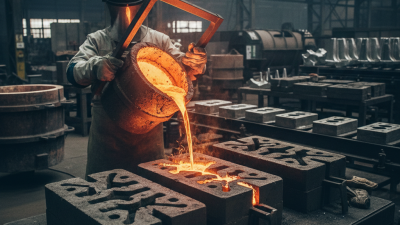
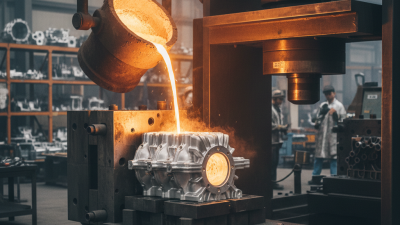
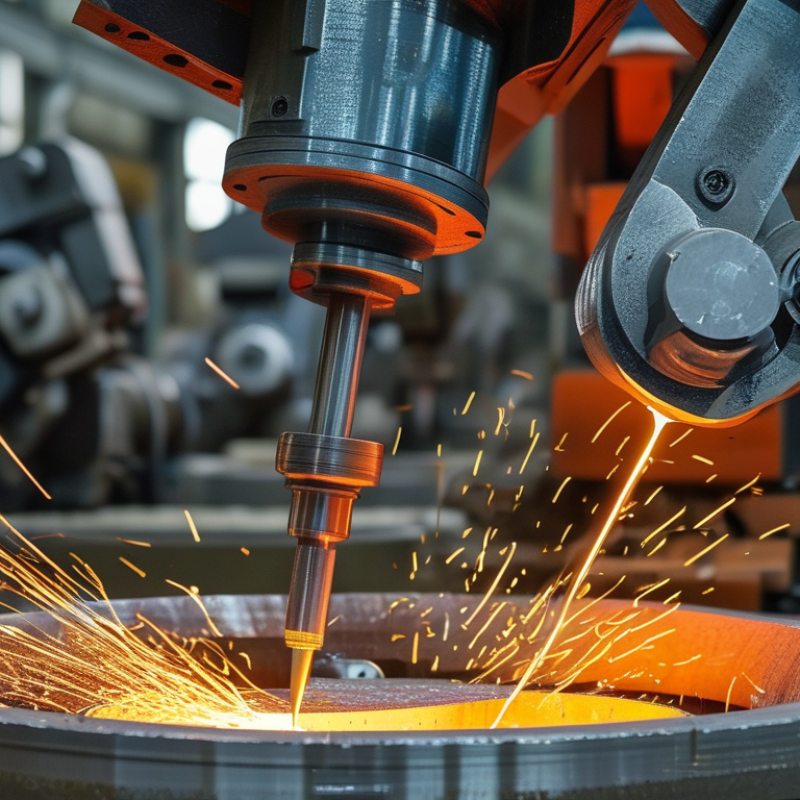
In 2026, the market for metal casting machines is set to evolve significantly. Several advanced technologies are enhancing production efficiency and quality. The primary types include sand casting, investment casting, and die casting machines. Each machine type serves specific needs and applications, catering to diverse industries.
Emerging trends highlight the integration of automation and AI in these machines. Such features aid in monitoring processes and ensuring precision. Moreover, the demand for eco-friendly machines is rising. Buyers seek machines that reduce energy consumption and waste. Sustainability is no longer an option; it is a necessity. Those interested must consider how machines impact both production and the environment.
However, potential buyers should reflect on their specific needs. Not every machine boasts a one-size-fits-all approach. Common challenges include maintenance and training for staff on new technologies. Understanding these aspects can prevent costly mistakes later on. The right machine can lead to significant gains, but achieving this requires careful analysis.
Key Features to Look for in Metal Casting Machines
When selecting metal casting machines, specific features stand out as essential. The first consideration should be the machine's melting capacity. High-performance machines can handle various metals and alloys. Knowing the maximum temperature achievable is critical for efficient operations. A reliable temperature control system ensures the metal melts perfectly, avoiding inconsistencies.
Another vital aspect is automation. Machines that offer advanced automation save time and reduce manual labor. Automatic pouring systems can enhance production efficiency. However, relying heavily on automation might overlook some quality control aspects. It’s important to balance technology with human oversight to ensure top-notch results.
Lastly, pay attention to the machine's maintenance needs. Machines requiring frequent repairs can disrupt production. A user-friendly design helps in routine maintenance. Yet, occasional issues with complex mechanisms might arise. Finding the right balance between ease of maintenance and machine capability is essential.
Top Metal Casting Machine Brands for Global Buyers
When looking for the best metal casting machines in 2026, it's essential to focus on reliability and performance. Various brands are competing to capture the global market. These brands aim to offer features that enhance precision and efficiency.
Some manufacturers emphasize user experience, providing intuitive controls and easy maintenance. However, not all machines achieve the same level of reliability. Factors such as material compatibility and environmental considerations play a role. Buyers must evaluate these aspects carefully to avoid costly mistakes.
Many companies are also focusing on sustainable practices. Energy-efficient designs are becoming more common. Nevertheless, some brands still struggle with balancing affordability and quality. This discrepancy can lead to frustration among buyers seeking the best value. Identifying which brands lead in innovation will require diligent research and feedback from users.
Best Metal Casting Machines for Global Buyers in 2026
| Machine Type |
Features |
Production Capacity (units/day) |
Price Range (USD) |
Warranty (Years) |
| Induction Furnace |
Energy-efficient, precise temperature control |
50 |
15,000 - 30,000 |
3 |
| Die Casting Machine |
High precision, fast cycle times |
100 |
25,000 - 50,000 |
2 |
| Sand Casting Machine |
Cost-effective, suitable for highly complex parts |
200 |
10,000 - 20,000 |
1 |
| Centrifugal Casting Machine |
High-density casting, minimal porosity |
150 |
20,000 - 40,000 |
5 |
| Lost Foam Casting Machine |
Complex shapes, minimal machining |
80 |
30,000 - 60,000 |
4 |
Cost Analysis of Metal Casting Machines in the Global Market
As the metal casting industry evolves, understanding the cost dynamics of machines is crucial for buyers. In 2026, the landscape will likely shift, influenced by advancements in technology and market demand. Currently, the costs associated with metal casting machines can vary widely based on specifications and capabilities. Buyers should conduct thorough market research to grasp these variances.
Tips: Always compare similar models. Analyze features versus price. A small upfront cost can lead to higher operational expenses.
Maintenance and parts replacement are often overlooked in cost analysis. Regular servicing may add to the initial investment. However, it can extend the machine's lifespan and efficiency. Newer machines might come with smart technology, but are they worth the price?
Tips: Factor in long-term costs. Assess potential savings from energy-efficient options. Seek advice from industry experts to make informed decisions.
Being aware of potential price fluctuations based on global supply chains is essential. Watch for material shortages that could impact machine pricing. As the industry shifts, the ability to adapt will be vital for successful investments.
Best Metal Casting Machines Cost Analysis (2026)
This bar chart illustrates the cost analysis of the best metal casting machines forecasted for 2026. The costs vary depending on the casting technology used, with electromagnetic casting being the most expensive and centrifugal casting the least expensive among the options.
Future Trends in Metal Casting Technology and Innovation
The landscape of metal casting technology is evolving rapidly. Innovations in automation and materials science are at the forefront. In 2026, expect machines that integrate advanced AI for optimized production. These systems will enhance precision and reduce waste. Smart technology will redefine traditional casting processes.
Investing in the right machines will be crucial. Select models that allow for real-time monitoring. Such features lead to improved efficiency. Pay attention to energy consumption, as green technology gains importance. Sustainable practices will be integral to future trends.
Tips: Always evaluate machine compatibility with existing infrastructure. Consider the learning curve for your team. Training is essential for maximizing the benefits of new machines. Emphasize adaptability, as the industry continues to grow and change. Adapt, or risk falling behind.

 +86-13516964051


 CONTACT NUMBER
 CONTACT NUMBER