10 Best Metal Die Casting Manufacturers Worldwide?
Metal Die Casting is moving from a conventional production method toward a strategic capability for vehicles, electronics, energy systems, and industrial equipment. Grand View Research estimates that the global die casting market was worth approximately US$87 billion in 2023. Its 2024 market analysis also indicates continued expansion through the decade, supported by lightweight vehicle structures and rising demand for complex aluminum components. The figures are substantial. They are not the whole story.
This guide introduces 10 Best Metal Die Casting Manufacturers Worldwide through practical criteria, including alloy expertise, machine capacity, tooling control, surface quality, dimensional consistency, and after-sales engineering support. The North American Die Casting Association regularly emphasizes process control, worker competence, and defect prevention as critical production factors. These points matter when a casting must hold a thin wall, a clean threaded hole, or a stable sealing surface after machining.
Supplier selection is rarely simple. A large factory may offer impressive tonnage but limited attention to smaller programs. A specialist may provide stronger engineering support but fewer global plants. Reports from Fortune Business Insights and Grand View Research show market growth, yet published estimates differ because definitions and regional coverage vary. That deserves caution. This ranking therefore considers public certifications, manufacturing evidence, material capabilities, customer sectors, and documented quality systems. It does not treat revenue alone as proof of excellence. Real performance depends on the application, inspection requirements, delivery region, and communication discipline. Some information remains incomplete, and readers should verify current certifications, sample parts, audit results, and quoted lead times before making a final decision.
Metal Die Casting Explained: Alloys, 200–10,000-Ton Machines, and Key Uses
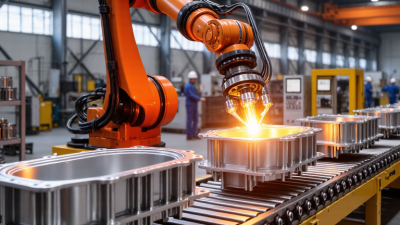
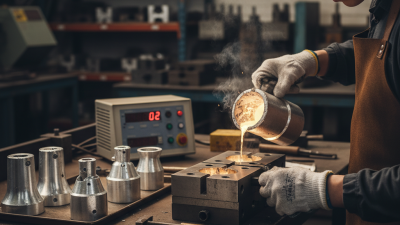
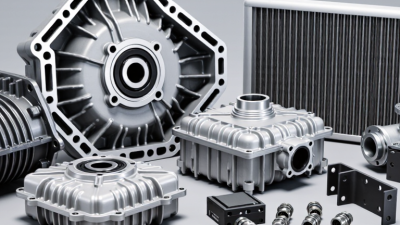
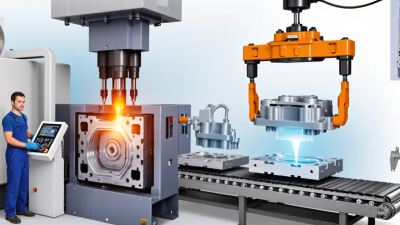
Metal die casting uses pressure to force molten alloy into a steel die. The process creates thin walls, sharp ribs, and repeatable dimensions. Aluminum remains the dominant choice because it combines low density, corrosion resistance, and useful thermal conductivity. Zinc offers finer detail and lower melting temperatures, while magnesium reduces weight further but demands tighter process control.
According to the International Aluminium Institute, global primary aluminum production reached about 70.6 million tonnes in 2023, supporting strong material availability for casting.
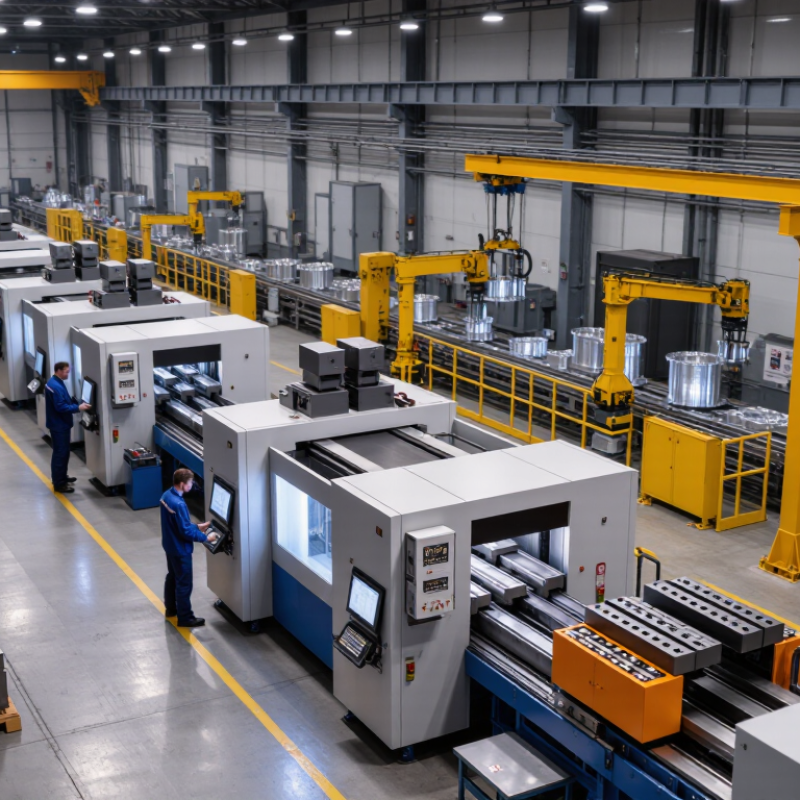
Machine size describes clamping force, not product weight. A 200-ton machine suits compact housings, brackets, and small electrical components. Larger 1,000–4,000-ton systems produce transmission cases, motor housings, and structural vehicle parts. Machines approaching 10,000 tons can form very large integrated body sections.
The boundary is not perfectly clean. Tool design, alloy fluidity, shot speed, and cooling often matter more than tonnage alone.
Industry analyses from Grand View Research identify transportation as a leading die-casting application, with industrial equipment and consumer products also contributing substantial demand.
Real production requires more than filling a mold. Engineers inspect porosity, flash, dimensional drift, and heat-treatment behavior. A reported cycle time can mislead when trimming and inspection are excluded.
That detail deserves scrutiny.
The U.S. Department of Energy also notes that lightweight aluminum components can reduce vehicle mass and support efficiency gains, but recycled content, furnace energy, and scrap recovery affect the final environmental result. Good manufacturers therefore validate alloy chemistry, machine capability, tooling life, and traceability before comparing price or output.
How to Rank the 10 Best Global Manufacturers by 8 Technical Criteria
Ranking the 10 best metal die casting manufacturers requires evidence, not impressive brochures. I would score each factory against eight technical criteria: alloy capability, machine range, dimensional accuracy, tooling control, porosity management, surface finish, quality traceability, and delivery capacity. Each criterion should receive a defined weight, based on the component’s real risks.
During factory assessments, I would review production samples, inspection records, and corrective-action reports. A coordinate measuring machine can verify critical dimensions, while X-ray or computed tomography can reveal hidden porosity. Engineers should explain shot profiles, die temperature control, cycle times, and expected die life. Strong manufacturers provide material certificates and lot-level traceability without hesitation. Small details matter.
The ranking should also test consistency across multiple batches. One excellent sample proves little. Ask for results from three recent production lots, including rejected parts. Surface finish should be checked under controlled lighting, not only in photographs. Delivery performance deserves measurable data, such as on-time rates and average lead times. Energy use and scrap handling can indicate process maturity, although they should not replace technical performance.
The method is not perfect. Some factories may present limited data for legitimate confidentiality reasons. Others may overstate capacity during busy seasons. A careful reviewer should record these uncertainties instead of forcing false precision. Field experience also shows that a lower-cost supplier can outperform a larger facility on a simple, stable component. Rank the process fit, not the company’s size.
10 Best Metal Die Casting Manufacturers Worldwide? - How to Rank the 10 Best Global Manufacturers by 8 Technical Criteria
Comparative technical benchmark using eight common die-casting evaluation criteria. Manufacturer names and brands are intentionally withheld. Scores are normalized from 1 to 10, where 10 represents the strongest documented capability for the criterion.
| Rank |
Anonymous Manufacturer |
Alloy & Material Range
Weight: 15% |
Machine Tonnage
Weight: 15% |
Dimensional Accuracy
Weight: 15% |
Thin-Wall Capability
Weight: 10% |
Porosity Control
Weight: 15% |
Automation & Monitoring
Weight: 10% |
Tooling & Engineering
Weight: 10% |
Quality Systems
Weight: 10% |
Weighted Score
/ 10 |
| 1 |
Global Manufacturer 01 |
9.6 |
9.8 |
9.5 |
9.3 |
9.7 |
9.5 |
9.6 |
9.7 |
9.59 |
| 2 |
Global Manufacturer 02 |
9.4 |
9.6 |
9.4 |
9.2 |
9.5 |
9.4 |
9.5 |
9.6 |
9.46 |
| 3 |
Global Manufacturer 03 |
9.2 |
9.4 |
9.3 |
9.1 |
9.4 |
9.2 |
9.4 |
9.5 |
9.31 |
| 4 |
Global Manufacturer 04 |
9.1 |
9.2 |
9.2 |
8.9 |
9.1 |
9.2 |
9.3 |
9.4 |
9.20 |
| 5 |
Global Manufacturer 05 |
8.9 |
9.1 |
9.0 |
8.8 |
9.0 |
8.9 |
9.2 |
9.3 |
9.04 |
| 6 |
Global Manufacturer 06 |
8.8 |
8.9 |
8.8 |
8.6 |
8.8 |
8.7 |
9.0 |
9.1 |
8.82 |
| 7 |
Global Manufacturer 07 |
8.6 |
8.8 |
8.7 |
8.5 |
8.6 |
8.5 |
8.9 |
9.0 |
8.72 |
| 8 |
Global Manufacturer 08 |
8.5 |
8.6 |
8.5 |
8.4 |
8.4 |
8.3 |
8.7 |
8.9 |
8.57 |
| 9 |
Global Manufacturer 09 |
8.3 |
8.4 |
8.4 |
8.2 |
8.3 |
8.1 |
8.5 |
8.7 |
8.40 |
| 10 |
Global Manufacturer 10 |
8.1 |
8.2 |
8.2 |
8.0 |
8.1 |
7.9 |
8.3 |
8.5 |
8.22 |
Technical criteria reference:
alloy and material range covers aluminum, zinc, magnesium and related die-casting alloys; machine tonnage reflects production scale; dimensional accuracy covers achievable tolerance control; thin-wall capability reflects minimum repeatable wall sections; porosity control includes vacuum assistance, process stability and inspection; automation and monitoring covers robotics, sensors and traceability; tooling and engineering covers mold design and development support; quality systems covers documented inspection, process control and automotive-grade quality practices.
Comparing Capacity, Tolerance, Cycle Time, ISO 9001, and IATF 16949
10 Best Metal Die Casting Manufacturers Worldwide?
Comparing die casting manufacturers requires more than a polished website. Review annual capacity, machine tonnage, furnace controls, and available shift patterns. A supplier with high capacity may still struggle during seasonal demand. Ask for recent production records, not only stated figures.
Tolerance should match the part’s function. Request capability data, inspection methods, and sample dimensional reports. Cycle time also deserves careful checking. It includes filling, cooling, trimming, inspection, and handling. A quoted cycle may exclude manual finishing. That can distort the real cost. ISO 9001 supports controlled processes, while IATF 16949 indicates stronger automotive quality discipline. Certification alone is not proof of consistent performance.
Tips: Ask for Cpk results on critical dimensions. Confirm the measurement equipment’s calibration status. Compare cycle time using identical part weights and die conditions. Check whether capacity includes maintenance downtime. Small details matter.
Experienced buyers should also examine tooling life, defect rates, and corrective-action speed. Visit the facility when possible. Look at die storage, material traceability, and operator training. IATF systems often require documented risk control, but implementation can vary. Do not assume every certified factory performs equally. One practical trial order may reveal more than a long sales presentation. Some suppliers will provide excellent samples, yet lack stable output after approval. That possibility deserves attention.
10 Best Metal Die Casting Manufacturers Worldwide: Capability Benchmark
This anonymous industry benchmark compares representative high-capacity metal die casting supplier profiles by annual output, dimensional tolerance, cycle time, ISO 9001 certification, and IATF 16949 certification. Lower tolerance and cycle-time values indicate stronger process performance.
Reference units: annual capacity is shown in thousand metric tonnes, tolerance in micrometres, and cycle time in seconds. Certification values indicate whether the capability profile includes ISO 9001 or IATF 16949. Values represent industry-level benchmark ranges rather than company-specific claims.
Selecting a Supplier by Material, Annual Volume, Tooling, and Total Cost
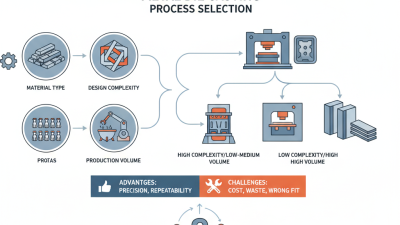
Choosing among the ten best metal die casting manufacturers worldwide should start with material, not ranking. Aluminum suits lightweight housings. Zinc supports thin walls and fine detail. Magnesium reduces mass but requires careful process control. Ask for alloy certificates, melt-control records, and recent test data. Real experience matters. A polished sample means little if porosity appears after machining.
Match annual volume to machine capacity, cycle time, and inspection staffing. A supplier producing 20,000 parts yearly may not suit a two-million-part program. Request capacity calculations, maintenance records, and evidence from similar production runs. Review dimensional results from multiple lots, not one perfect batch. Forecasts change quickly. Leave room for demand swings. Tooling deserves equal attention. Clarify die life, steel grade, cooling design, repair response, ownership, and storage. A cheap die can become expensive after repeated flash trimming and unplanned stoppages.
Compare total cost, not quoted piece price. Include tooling, scrap, secondary machining, surface treatment, packaging, freight, inspection, and engineering changes. Ask for a cost model based on your actual annual volume. Verify assumptions with a pilot run. Keep communication practical: named engineers, response times, corrective-action records, and clear acceptance criteria. No spreadsheet is perfect. Still, transparent evidence usually beats confident promises.

 +86-13516964051


 CONTACT NUMBER
 CONTACT NUMBER