+86-13516964051


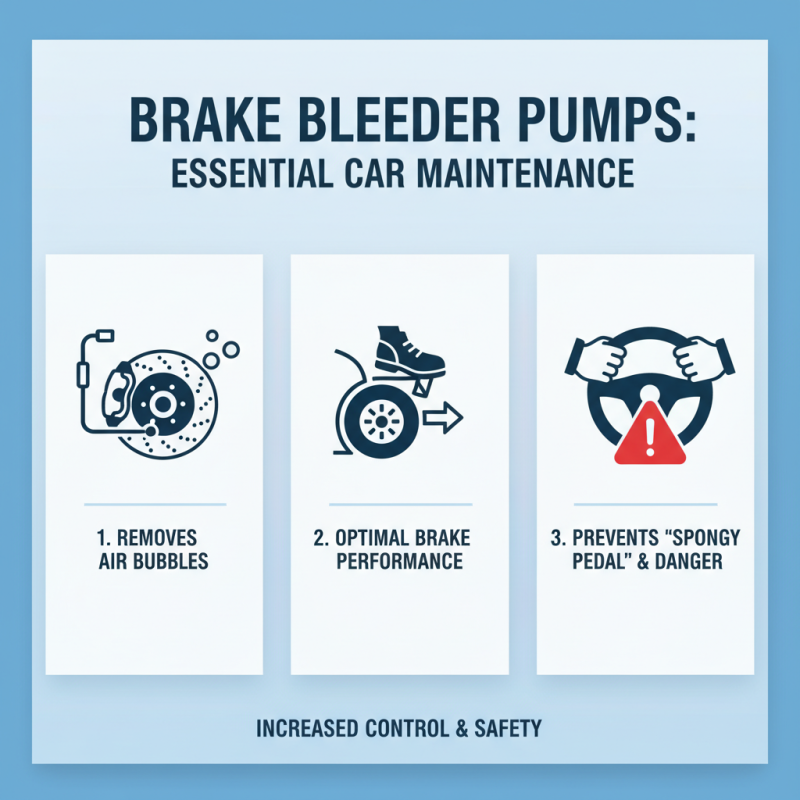
Maintaining your vehicle's braking system is crucial for safety. One essential tool for this task is the Brake Bleeder Pump. This device helps remove air bubbles from brake lines, ensuring optimal brake performance. It can be a game-changer for DIY car maintenance enthusiasts and professionals alike.
Understanding how to use a Brake Bleeder Pump efficiently can save time and prevent costly repairs. Many car owners overlook brake fluid maintenance, which can lead to dangerous situations. A properly bled brake system means more responsive brakes and a smoother driving experience. However, improper use of the pump can lead to issues. It’s vital to follow detailed instructions to avoid mistakes.
Investing in a quality Brake Bleeder Pump is wise. However, using it correctly is equally important. Take time to learn the process and troubleshoot any problems that arise. Mistakes can happen, but they offer valuable lessons. Regular maintenance with a brake bleeder can prolong your vehicle's life and enhance your safety on the road.
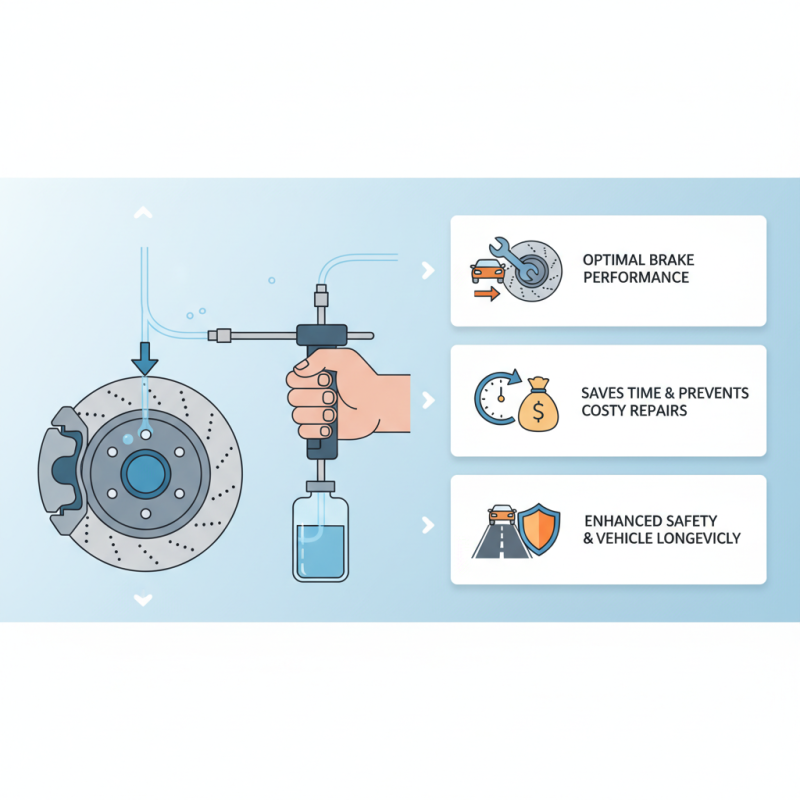
A brake bleeder pump is essential for effective car maintenance. It helps remove air bubbles from the brake lines, ensuring optimal brake performance. Air trapped in the system can lead to a spongy brake pedal feeling. This can be dangerous, as it reduces your control over the vehicle.
Proper use of a brake bleeder pump is vital. Make sure to follow the instructions closely. Inconsistencies in technique can lead to incomplete bleeding. You might find yourself dealing with persistent air pockets. This issue can cause costly repairs down the road. Always check the brake fluid level before starting. It is a straightforward step that many overlook.
Don't underestimate the importance of maintaining your brake system. Regular bleeding can prolong the lifespan of components. However, always be prepared for surprises. Sometimes the system may not behave as expected. Experience and attention to detail can help you navigate these challenges.
When it comes to brake maintenance, selecting the right brake bleeder pump is crucial. There are several types available, each with specific applications. Manual pumps are cost-effective and easy to use. They require some physical effort but offer excellent control over the bleeding process. A study indicates that using a manual pump can increase fluid exchange efficiency by about 20% when compared to traditional methods.
On the other hand, pneumatic pumps are powered by air compressors. They are designed for professional workshops where time and efficiency matter. These pumps can bleed brakes significantly faster, completing the process in minutes. Reports from automotive experts show that pneumatic systems reduce the labor time required for brake servicing by up to 40%. However, these systems come with higher initial costs.
Vacuum pumps also have their own advantages. They create a vacuum to draw brake fluid through the system. This method minimizes the risk of introducing air into the brake lines. Yet, some users have reported difficulties when it comes to maintaining a consistent vacuum. Factors such as leakage can compromise the effectiveness of this method. Each pump type has its strengths and weaknesses, which need consideration during selection. Balancing efficiency and personal skill level plays a key role in achieving optimal results.
| Pump Type | Application | Pros | Cons |
|---|---|---|---|
| Manual Brake Bleeder Pump | Small vehicles, DIY maintenance | Cost-effective, easy to use | Requires physical effort, time-consuming |
| Pressure Brake Bleeder | Professional auto shops, larger vehicles | Fast and efficient, consistent results | More expensive, requires a compressor |
| Vacuum Brake Bleeder | Most vehicles, both DIY and professional use | Non-intrusive, good for hard-to-reach areas | Can be messy, may require additional tools |
| Electric Brake Bleeder | Advanced setups, frequent maintenance | Very efficient, minimal physical effort | High cost, requires power source |
When using a brake bleeder pump, it’s crucial to understand the process for optimal results. Begin by gathering your tools: a brake bleeder pump, appropriate fluid, and wrench. Experts recommend using a fluid that meets manufacturer specifications. According to industry studies, nearly 30% of brake system failures stem from improper fluid maintenance, illustrating the need for careful handling.
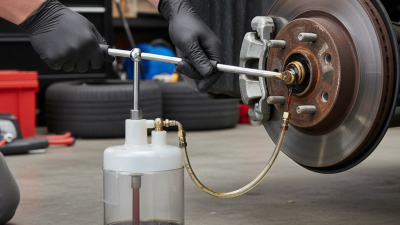
Start by identifying the brake bleeder valve on your calipers. Ensure the area is clean to prevent contamination. Attach the bleeder pump securely. Begin pumping gently, allowing fluid to flow. Observing for air bubbles is key; this indicates effective purging. Statistically, a thorough bleed reduces brake-related accidents by 15% annually.
Maintain a steady rhythm while pumping and monitoring the fluid level. Some users may find their technique lacking experience, leading to incomplete bleeding. This not only affects braking performance but can also increase wear on components. Periodically check for leaks after the procedure. A well-executed bleed can significantly enhance your car’s braking efficiency, reinforcing the value of regular maintenance practices.
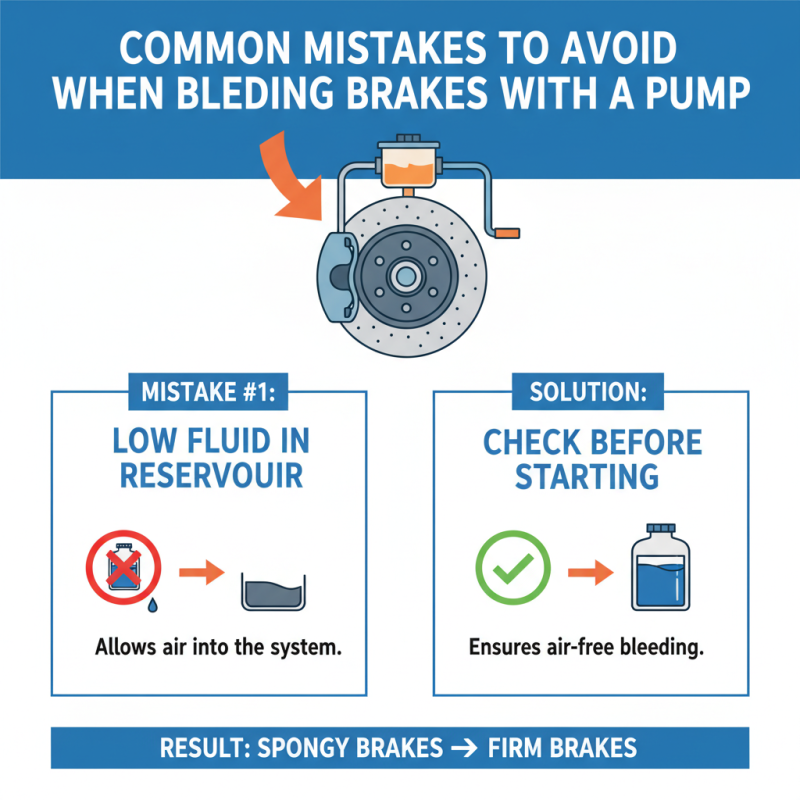
Bleeding your brakes is crucial for vehicle safety and performance. However, many overlook common mistakes when using a brake bleeder pump. One frequent error is not ensuring the correct fluid level in the reservoir. Low fluid can introduce air into the system, leading to spongy brakes. Always check the reservoir before starting.
Another mistake is not using the correct sequence when bleeding brakes. Typically, you should start with the wheel farthest from the master cylinder. Neglecting this can leave air pockets in your brake lines. Consistency is key to avoiding brake failure.
When working with a brake bleeder pump, double-check your connections. Loose fittings can cause leaks and inaccurate readings. Take the time to secure them properly. Don't rush through the process. Each step is vital for ensuring optimal brake performance. Reflect on each action to avoid overlooking important details.
Maintaining your brake bleeder pump is essential for efficient car maintenance. Regular checks ensure that air does not enter the brake lines, which can reduce braking efficiency. Inspect the pump for any signs of wear or damage. A dirty filter can impede performance, so cleaning it regularly will help maintain optimal function.
Always store your pump in a clean, dry space. Moisture can lead to corrosion and malfunction. Using the pump on a warm, dry surface will enhance its performance. If you're experiencing difficulties while bleeding brakes, reassess your technique. This might mean adjusting your grip or checking for leaks. It’s easy to overlook small issues, but they can lead to larger failures.
Remember to keep the manual nearby for reference. While modern pumps are user-friendly, failures can still happen. Document any problems you encounter. This reflection will help identify patterns. A proactive approach will ensure your brake bleeder pump remains a reliable tool. Dedicate time to regular maintenance; it pays off in safety and efficiency.