China Best Gravity Casting Solutions for Global Buyers?
China has become a key player in the global gravity casting market. Gravity casting refers to a manufacturing process that relies on gravity to fill molds with molten metal. This technique is known for producing high-quality components with excellent precision. Many global buyers seek the best gravity casting solutions from China due to its advanced technology and experienced manufacturers.
The landscape of gravity casting is diverse. China's factories are equipped with cutting-edge machinery, which enhances production efficiency. However, not all suppliers meet the same standards. Buyers must navigate through various options to find reliable partners. It's essential to evaluate potential suppliers' expertise and track records. Misalignment in expectations can lead to unsatisfactory outcomes.
While China offers many advantages, challenges still exist. Quality control can vary significantly among manufacturers. Without thorough vetting, buyers may encounter inconsistencies in products. Transparency and communication are vital to overcoming these hurdles. By addressing these issues, global buyers can unlock the full potential of gravity casting solutions from China.
Overview of Gravity Casting Technology in China
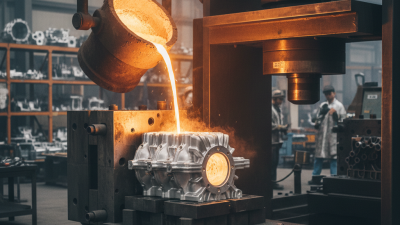
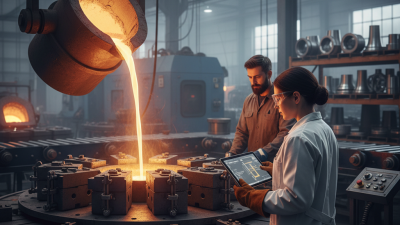
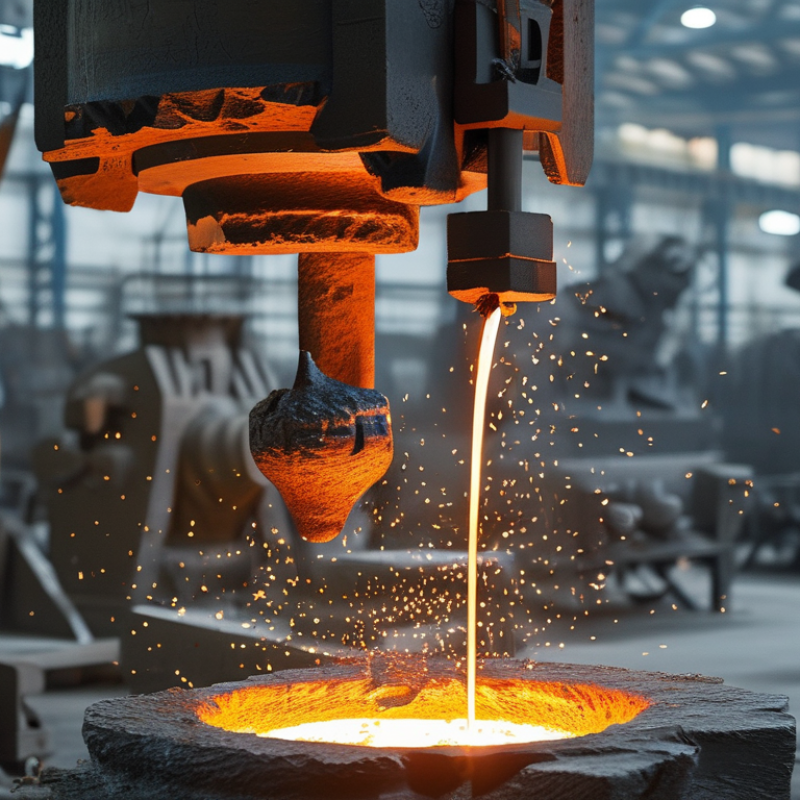
Gravity casting technology in China has gained considerable traction in recent years. This method involves pouring molten metal into a mold, using gravity to fill it. The process offers several advantages, including improved dimensional accuracy and surface finish. Many manufacturers are embracing this technique due to its capacity for mass production and cost efficiency.
One notable aspect of gravity casting in China is the focus on innovation. Companies invest in advanced machinery to enhance efficiency. This commitment to technology produces high-quality components for diverse industries, such as automotive and aerospace. However, there remain challenges in maintaining consistent quality. Variations in material properties can lead to defects.
Tips: Always inspect the casting quality. Pay close attention to wall thickness. Thicker sections may trap air, creating defects. Testing prototypes is essential. This minimizes errors in full-scale production. Understanding the properties of the metals used can also help ensure better outcomes.
China's gravity casting landscape is evolving. While progress is evident, companies must address flaws in their processes. Continuous improvement will solidify China’s standing in the global market for gravity casting solutions.
Overview of Gravity Casting Technology in China
Key Players in China's Gravity Casting Industry
China's gravity casting industry plays a crucial role in global manufacturing. It involves the use of gravity to fill molds with molten metal, creating complex shapes with precise dimensions. This process is highly efficient and cost-effective, making it attractive for many buyers worldwide.
Several key players dominate this industry in China. These manufacturers have extensive experience and advanced technology. They specialize in a variety of alloys, enabling them to cater to diverse customer needs. However, there are challenges they face, such as fluctuating raw material prices and environmental regulations. Some companies are actively working to reduce their carbon footprint and improve sustainability.
Quality control is another critical aspect. While many players adhere to high standards, inconsistencies can occur. Buyers must communicate their requirements clearly to avoid any misunderstandings. Selecting the right partner involves careful consideration of their expertise and production capabilities. As the market evolves, continuous improvement will be essential for maintaining competitiveness.
Advantages of Sourcing Gravity Casting from China
Sourcing gravity casting solutions from China presents numerous advantages for global buyers. One key benefit is cost-effectiveness. Chinese manufacturers often offer competitive pricing due to lower labor costs and efficient production methods. This allows buyers to reduce their overall expenditure while still obtaining high-quality products.
Additionally, China's extensive industrial network fosters innovation and expertise in gravity casting. Many manufacturers have years of experience in the field, enabling them to deliver precision-engineered components tailored to specific needs. The combination of advanced machinery and skilled labor helps ensure reliable output.
However, challenges do exist. Communication barriers can arise due to language differences, leading to misunderstandings. Furthermore, variations in quality standards across suppliers require diligent quality checks. Researchers and buyers need to be proactive in assessing potential partners. Taking time to visit facilities can enhance trust and clarify expectations. Adopting a cautious approach helps mitigate risks associated with international sourcing.
China Best Gravity Casting Solutions for Global Buyers
| Dimension |
Advantage |
Impact on Buyers |
| Cost Efficiency |
Lower manufacturing costs due to large-scale production |
Reduces overall production expenses for buyers |
| Quality Control |
Stringent quality assurance practices |
Ensures high-quality products that meet global standards |
| Advanced Technology |
Utilization of state-of-the-art casting equipment |
Delivers innovative solutions and enhanced performance |
| Skilled Workforce |
Highly trained professionals in casting processes |
Improves efficiency and reduces errors in production |
| Rapid Prototyping |
Quick turnaround times for prototypes |
Allows buyers to expedite their development cycles |
| Diverse Material Options |
Ability to work with various alloys and materials |
Offers flexibility to meet specific project requirements |
Quality Standards and Certifications in Chinese Casting
Quality standards play a crucial role in China’s gravity casting industry. Buyers should understand what certifications are relevant. These certifications ensure that products meet international safety and quality standards. ISO 9001 is one such important standard. It focuses on effective quality management systems. Companies that adhere to this certification demonstrate their commitment to producing reliable products.
Tips: Always ask for documentation related to quality standards. Verification is essential. Look for suppliers with a history of compliance. This can save you from potential issues later.
Another key aspect is the adherence to specific testing protocols. These may include pressure testing and thermal fatigue analysis. Not all manufacturers perform these tests consistently. Therefore, it is wise to question their testing procedures. Engaging suppliers that routinely monitor their production can greatly enhance reliability.
Tips: Don't hesitate to request case studies or examples of past performance. Real-world evidence often speaks louder than claims. Also, ensure your supplier has the capability to achieve your specific requirements.
Strategies for Global Buyers to Partner with Chinese Manufacturers
When engaging with Chinese manufacturers for gravity casting solutions, buyers need strategic approaches. Research shows that the global gravity casting market is projected to reach $8.2 billion by 2025, with Asia-Pacific dominating at a 35% market share. This growth presents numerous opportunities, but also challenges. Buyers must understand local supply chain dynamics to navigate potential disruptions.
Building strong relationships with Chinese manufacturers is crucial. Effective communication is essential. Misunderstandings can arise from language barriers. Employing translators and local representatives can mitigate these risks. Additionally, conducting factory visits helps assess capabilities firsthand. Observing production processes can reveal strengths and weaknesses. Some buyers report quality inconsistencies, underscoring the importance of thorough inspections and quality assurance measures.
Furthermore, aligning expectations is vital. Chinese manufacturers may have different standards and practices. Buyers should clearly define specifications and deadlines. Engaging in regular updates can prevent delays and ensure project timelines are met. Adapting to cultural differences can enhance partnerships. Patience is often necessary to navigate varying business etiquettes. A flexible approach might yield long-term benefits, but potential pitfalls remain. Establishing trust requires time and commitment from both parties.

 +86-13516964051


 CONTACT NUMBER
 CONTACT NUMBER