How to Choose the Best Brake Vacuum Pump for Your Needs?
Selecting the right Brake Vacuum Pump is crucial for vehicle performance and safety. According to the 2022 Automotive Vacuum Systems Report, nearly 45% of vehicle malfunctions are linked to vacuum system failures. This emphasizes the need for quality and reliability in brake systems. As industry expert Dr. Alan Mercer notes, "The efficiency of a Brake Vacuum Pump directly impacts a vehicle's stopping power."
Understanding the features of Brake Vacuum Pumps helps consumers make informed choices. Different models provide varying power levels and efficiency ratings. For instance, some pumps deliver 8-12 inches of vacuum, while others can exceed those rates. These differences can affect your vehicle's behavior during braking significantly.
In addition, the right Brake Vacuum Pump can enhance engine performance. Studies show that pumps with higher durability prevent costly repairs and enhance overall vehicle lifespan. However, choosing the proper pump requires careful consideration of specifications and compatibility with your vehicle model. It's vital to reflect on feedback from experienced mechanics and actual users, as they provide insights beyond technical data.
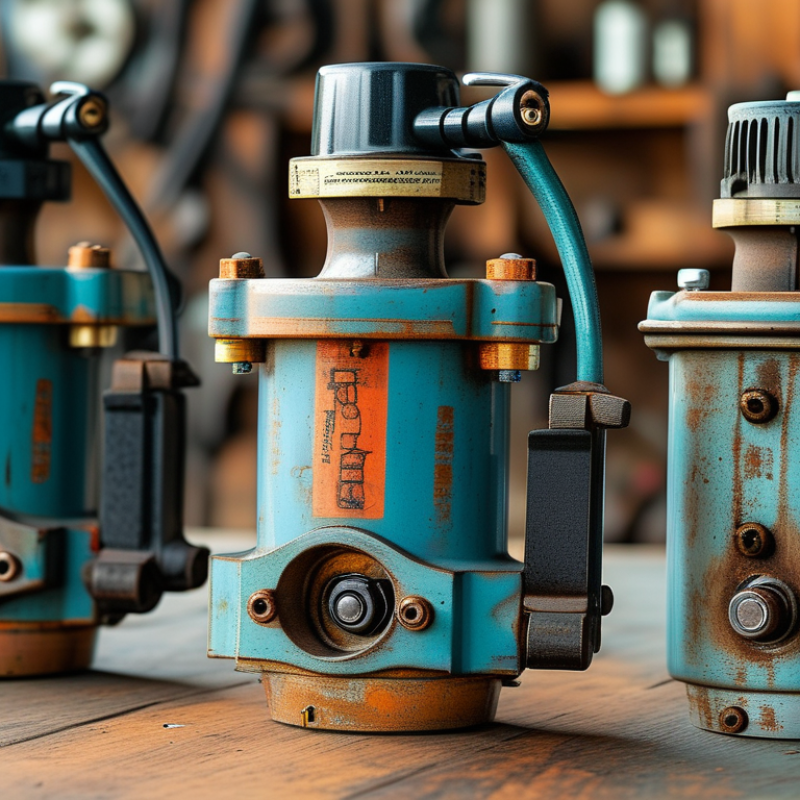
Understanding the Functionality of Brake Vacuum Pumps in Automotive Systems
Brake vacuum pumps play a crucial role in automotive systems by generating the vacuum needed for power-assisted braking. This functionality enhances safety and driving comfort. Understanding how these pumps work is essential for selecting the best option for your vehicle.
A brake vacuum pump typically operates by creating negative pressure. This pressure helps amplify the force applied to the brake pedal. According to industry reports, nearly 70% of modern vehicles utilize hydraulic brake systems that require this vacuum assistance. Insufficient vacuum can lead to reduced braking efficiency and increased stopping distances, highlighting the importance of reliable performance.
While there are different types of brake vacuum pumps, not all are created equal. Some pumps may not deliver the necessary performance under heavy loads. Research indicates that pumps with a minimum flow rate of 18 liters per minute can provide optimal pressure levels for most vehicles. When choosing, consider the specific needs of your vehicle and how well the pump matches these requirements.
Key Factors to Consider When Selecting a Brake Vacuum Pump
Choosing the right brake vacuum pump requires careful consideration of several key factors. One of the most critical factors is the pump's capacity. A pump with insufficient capacity may not provide adequate brake assistance, leading to reduced vehicle performance. It's important to assess your vehicle's requirements to ensure optimal functionality.
Another aspect to evaluate is the pump’s build quality. Pumps made from durable materials are more reliable and may last longer. Look for features like weather resistance and robust design. Reliability is key, as a failure can lead to brakes not engaging properly, posing safety risks.
Installation and maintenance should also influence your decision. Some pumps are straightforward to install, while others may require professional assistance. Additionally, consider the maintenance needs. Pumps needing frequent servicing can be more trouble than they're worth. Reflecting on these factors can guide you toward a more informed decision and enhance your vehicle's braking system.
How to Choose the Best Brake Vacuum Pump for Your Needs? - Key Factors to Consider When Selecting a Brake Vacuum Pump
| Feature |
Description |
Importance |
| Type |
Pneumatic, Electric, or Mechanical |
Determines the source of power and efficiency |
| Cubic Feet per Minute (CFM) |
Measure of airflow capability |
Affects speed of brake assist |
| Noise Level |
Volume of operation, measured in dB |
Important for user comfort and compliance with regulations |
| Size and Weight |
Physical dimensions and mass |
Affects installation options and portability |
| Price |
Cost of the brake vacuum pump |
Budget considerations |
| Durability |
Material and construction quality |
Long-term reliability and maintenance costs |
| Warranty and Support |
Coverage duration and customer service options |
Peace of mind for repairs and replacements |
Comparing Different Types of Brake Vacuum Pumps: Electric vs. Mechanical
When selecting a brake vacuum pump, understanding the differences between electric and mechanical types is crucial. Electrical pumps are often more efficient. They provide consistent vacuum levels, which can enhance brake responsiveness. According to a report by the Automotive Research Group, electric pumps can increase brake system performance by up to 25%. This reliability in performance makes them popular in modern vehicles.
On the other hand, mechanical pumps have a different appeal. They usually require more maintenance. Their operation relies on engine performance, which can vary. A study from the Motor Vehicle Safety Institute indicates that these pumps can lose efficiency over time, especially in older cars. Additionally, they may not function well under certain conditions, such as low engine RPMs.
For those choosing between these types, consider your specific requirements. Electric pumps are generally more suitable for high-performance applications. But mechanical pumps can be more cost-effective for standard vehicles. Balancing reliability and efficiency with maintenance costs is essential. Understanding these factors can improve decision-making in brake system selection.
Evaluating Performance Metrics: Flow Rate and Vacuum Level Requirements
When selecting a brake vacuum pump, understanding flow rate and vacuum level requirements is essential. Flow rate indicates how quickly the pump can remove air. A higher flow rate typically leads to faster performance. However, an excessively high flow rate may not always be optimal. It's crucial to match the pump to your vehicle's specific brake system needs.
Vacuum level is equally important. It determines how much vacuum the pump can create. Adequate vacuum levels are necessary for effective braking. If the vacuum is too low, it can compromise braking efficiency. This is particularly critical for vehicles requiring precise brake functions. Sometimes, specifications can be misleading. Always refer to reliable sources for accurate requirements.
Tips: Consider your specific vehicle type and usage. Research different setups and read user experiences. Don’t underestimate the importance of compatibility. A well-matched pump leads to better results. Investing time upfront could save frustrations later. Reflect on what matters most for your braking safety and performance.
Brake Vacuum Pump Performance Metrics
Maintenance Tips for Prolonging the Life of Brake Vacuum Pumps
Brake vacuum pumps play a vital role in
your vehicle's braking system. To ensure their longevity, proper maintenance is crucial. Here are
some helpful tips to keep them in top shape.
Regular inspection helps identify potential issues early. Look for any leaks or unusual noises.
These can signal a problem that needs attention. Clean the pump housing to eliminate dirt and debris.
A clean environment allows for optimal performance.
Additionally, replace worn or damaged parts promptly. Ignoring minor issues can lead to more significant
problems down the line. Keep track of your vehicle's maintenance schedule. Consistent care enhances
reliability and safety. Avoid pushing the pump to its limits. Excessive demand can lead to premature failure.
Remember, even the best pumps require attention.
Treat your brake vacuum pump well, and it will serve you effectively for years.

 +86-13516964051


 CONTACT NUMBER
 CONTACT NUMBER