How to Choose the Best Casting Aluminum Parts for Your Needs?
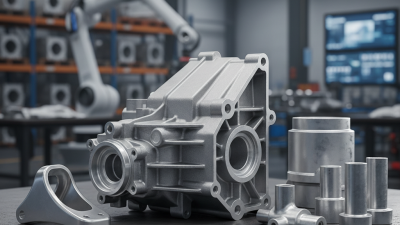
In the world of manufacturing, selecting the right casting aluminum parts is crucial. Experts like John Miller, a renowned specialist in aluminum casting, emphasize that "the quality of casting aluminum parts directly impacts the overall performance of your product." This statement reflects the significant role that proper selection plays in various industries.
When it comes to casting aluminum parts, there's a spectrum of factors to consider. You must assess not only the material's properties but also the supplier's reputation. Many manufacturers overlook this, leading to subpar results. Quality casting aluminum parts can enhance durability and efficiency, while poor choices can result in costly failures.
Navigating through options can be overwhelming. Reflecting on your specific needs is essential. Whether for automotive, aerospace, or consumer goods, understanding how each part contributes to the final product is vital. Every decision you make impacts your project's success.
Understanding Different Types of Casting Aluminum Parts Available
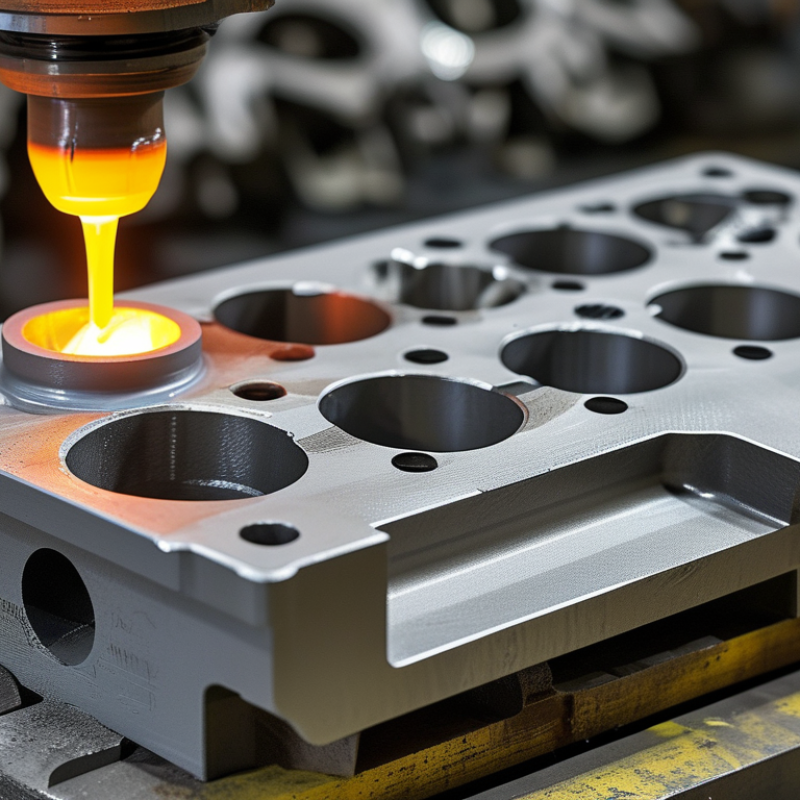
When considering casting aluminum parts, it's essential to understand the different types available. Die casting, sand casting, and investment casting are the primary methods used in the industry. According to recent data from the Aluminum Association, these methods account for over 75% of aluminum components manufacturing. Each technique offers unique benefits and limitations.
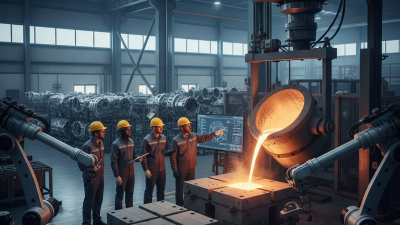
Die casting is ideal for high-volume production. It allows for intricate shapes and tight tolerances. However, the initial setup costs can be significant. In contrast, sand casting offers flexibility for low to medium production runs. The process utilizes sand molds and is less expensive upfront. Investment casting is perfect for parts needing superior dimensional accuracy and surface finish. Yet, it may not be the best choice for larger components.
Choosing the right method depends on specific needs. Factors such as part complexity, production volume, and budget must be evaluated. It’s crucial to reflect on whether the chosen process aligns with project requirements. Making informed decisions can greatly influence overall product performance and cost-effectiveness.
Factors to Consider When Selecting Casting Aluminum Parts
When selecting aluminum casting parts, several key factors come into play. First, consider the intended use of the parts. Different applications may require varying levels of strength, durability, and resistance to corrosion. Understanding how the parts will be used can significantly impact your choice.
Quality is paramount in aluminum casting. Examine the manufacturing process and the quality assurance measures in place. Inconsistencies can undermine the reliability of the parts. Environmental factors, such as exposure to heat or chemicals, should also influence your decision. If the parts will be used in harsher conditions, ensure they are designed to withstand such environments.
Cost presents another challenge. Cheap options may seem attractive but can be deceptive. A lower price may lead to compromised quality and performance. It's crucial to find a balance between affordability and durability. Conducting thorough research and seeking expert opinions can guide you in making an informed choice. Consider reaching out to professionals who specialize in aluminum parts. Their insights can help clarify nuances that are often overlooked.
Evaluating Quality and Specifications for Aluminum Casting
When selecting aluminum casting parts, understanding their quality and specifications is crucial. Start by examining the alloy types commonly used in aluminum casting. Each alloy possesses unique qualities. For example, some offer excellent corrosion resistance, while others provide superior strength. This knowledge forms a solid foundation for making informed decisions.
Next, consider the casting process. Different methods, such as sand casting or die casting, yield varying results. Sand casting is versatile and cost-effective for complex shapes. However, it may not always meet the tight tolerances that some applications require. Meanwhile, die casting produces high-precision parts efficiently, but it can be more expensive. Evaluating the purpose of the parts can help in determining the best method for your needs.
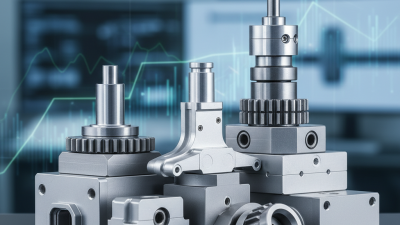
Pay attention to quality assurance in the manufacturing process. Inspecting for defects such as porosity or surface finish is essential. Each part should undergo rigorous testing, including dimensional checks and strength assessments. Remember, relying solely on certifications isn't enough; direct communication with suppliers can reveal more about their quality control practices. Choose suppliers with a proven track record. This can greatly influence the reliability of the parts you select.
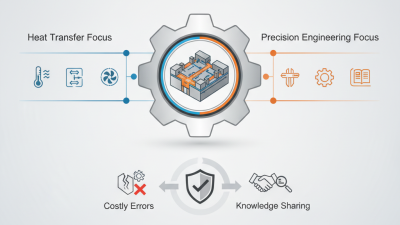
Evaluation of Aluminum Casting Quality and Specifications
Cost vs. Performance: Finding the Right Balance in Your Choice
When considering casting aluminum parts, balancing cost and performance is essential. It's tempting to go for the cheapest option. However, lower prices often mean compromises in quality. Cheaper materials may lead to faster wear and tear. Understanding this trade-off is key.
Performance in aluminum parts is dictated by several factors. For instance, the alloy's composition influences strength and durability. Thicker parts generally provide more robustness but increase costs. You need to assess whether the added expenses are justified by improved performance. Not all applications require high-performance components. Sometimes, a budget-friendly option meets the needs perfectly.
Examine your specific requirements closely. Do you prioritize longevity or cost-effectiveness? Track record matters here. Look for manufacturers with experience. Testimonials and historical performance data can help guide you. Relying on recommendations is valuable but also fragile. Each application has unique demands. Finding the right balance between cost and performance means carefully evaluating your needs.
Common Applications of Casting Aluminum Parts in Various Industries
Casting aluminum parts play a crucial role in various industries, from transportation to electronics. In the automotive sector, these components significantly reduce vehicle weight while maintaining strength. This leads to improved fuel efficiency and performance. Industrial machinery also benefits from casting aluminum, as it provides durability and resistance to corrosion.
Tips for selecting the right aluminum parts include evaluating the specific application requirements. Consider factors such as temperature resistance and load-bearing capacity. In electronics, aluminum components offer excellent thermal conductivity. This property is essential for heat dissipation in devices.
Assessing the casting method is vital. Different techniques, like sand casting or die casting, influence the finished product's quality. Each method has its pros and cons. Not all applications require high precision. Sometimes, a simpler method may be more cost-effective. This reflection is often overlooked. Consider long-term performance alongside initial costs for better decision-making.
How to Choose the Best Casting Aluminum Parts for Your Needs?
| Industry |
Common Applications |
Advantages of Casting Aluminum Parts |
Material Specifications |
| Automotive |
Engine components, wheels |
Lightweight, corrosion-resistant, excellent thermal conductivity |
A356.0, 356.0 |
| Aerospace |
Aircraft frames, engine housings |
High strength-to-weight ratio, precise dimensions |
A380.0 |
| Electronics |
Heat sinks, casings |
Excellent thermal management, lightweight |
A413.0 |
| Construction |
Structural components, connectors |
Durability, lightweight, cost-effective |
A535.0 |
| Marine |
Boat hulls, engine parts |
Corrosion resistance, lightweight |
A zinc-coated aluminum alloy |

 +86-13516964051


 CONTACT NUMBER
 CONTACT NUMBER