Top 10 Casting Equipment You Need for Your Business?
In today’s competitive landscape, having the right casting equipment is essential for any business involved in manufacturing or design. The significance of quality casting tools cannot be overstated; they often dictate the efficiency and quality of production. This guide focuses on the top 10 casting equipment items that can elevate your operations.
Investing in suitable casting equipment can be challenging. Different projects require specific tools, and choosing the right ones is crucial. It’s easy to overlook the importance of proper equipment, yet it can significantly impact product outcomes. Simple mistakes in equipment choice can lead to inefficiencies and wasted resources.
Understanding the diverse range of casting tools is vital for success. Each piece of equipment plays a unique role and contributes to the overall process. Whether it’s furnaces, molds, or finishing tools, each item requires careful consideration. Let’s explore the essential casting equipment you need to thrive in your business.
Essential Casting Equipment: An Introduction
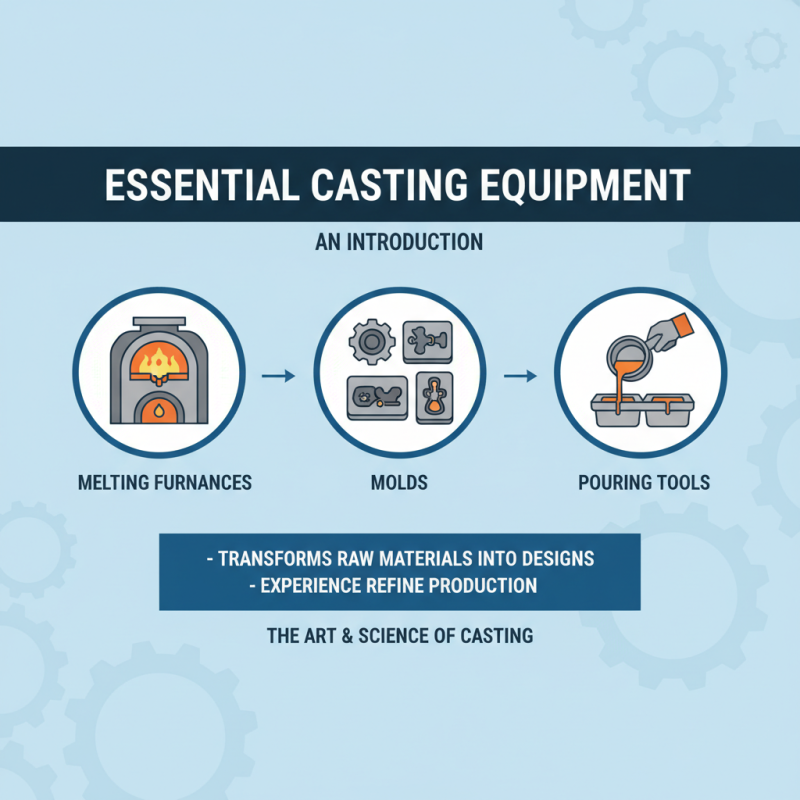
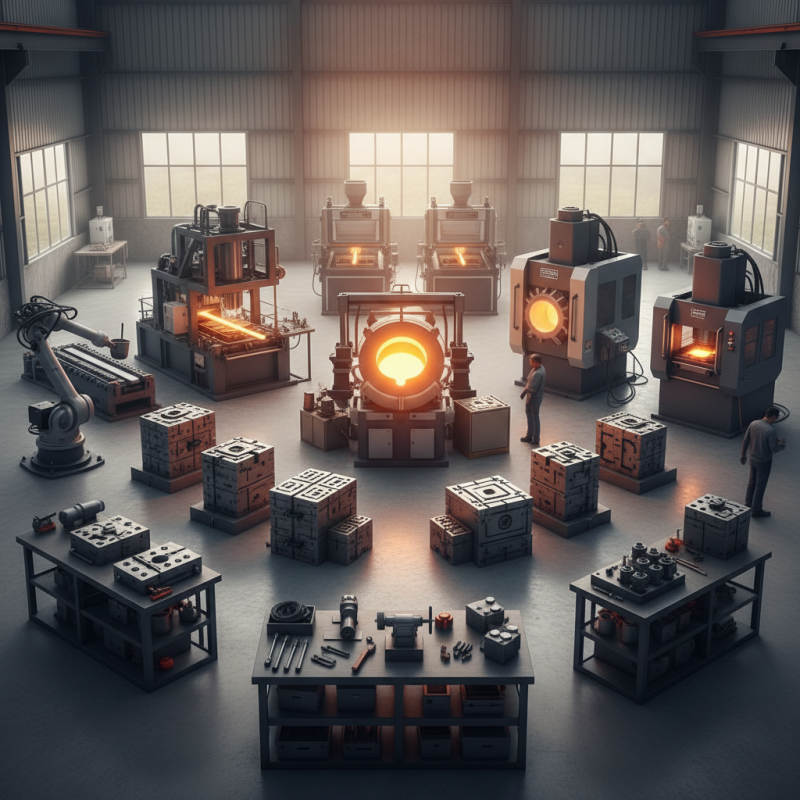
When venturing into the casting business, having the right equipment is crucial. Essential casting equipment includes melting furnaces, molds, and pouring tools. These tools enable the transformation of raw materials into intricate designs. Each piece of equipment plays a distinct role in the casting process. Experience shapes your understanding of how each component interacts during production.
A melting furnace is vital; it converts metal into a liquid state. Understanding its functions requires practical experience. Likewise, molds come in various shapes and sizes, requiring careful selection. Pouring tools must ensure precise flow. Occasionally, mistakes happen, such as overfilling molds. Learning from errors helps refine your expertise.
Investing in reliable casting equipment is important for efficiency and quality. However, it’s wise to balance costs and functionality. Sometimes, investing in high-grade tools can lead to better outcomes. It's essential to assess your needs carefully. This reflection can guide future purchases and improve your casting process.
Crucial Safety Gear for Casting Operations
Casting operations involve significant risks, making safety gear essential. A report by the Occupational Safety and Health Administration (OSHA) highlights that nearly 25% of serious workplace injuries occur in manufacturing. Protective equipment can drastically reduce these risks. Essential gear includes heavy-duty gloves, safety goggles, and steel-toed boots. Each item plays a crucial role in preventing injuries during casting processes.
Moreover, respiratory protection is vital in foundries. The American Foundry Society states that exposure to silica dust can lead to serious lung diseases. Proper masks and ventilation systems are required to ensure clean air. Workers must be trained on equipment use, and regular safety audits should be conducted to identify potential hazards.
Investing in such equipment may seem costly, but the long-term benefits outweigh these upfront expenses. A safer workplace improves employee morale and productivity. However, neglecting safety measures can lead to accidents and liability issues. Businesses must continually assess and improve their safety protocols to protect workers effectively.
Types of Molds: Choosing the Right One for Your Business
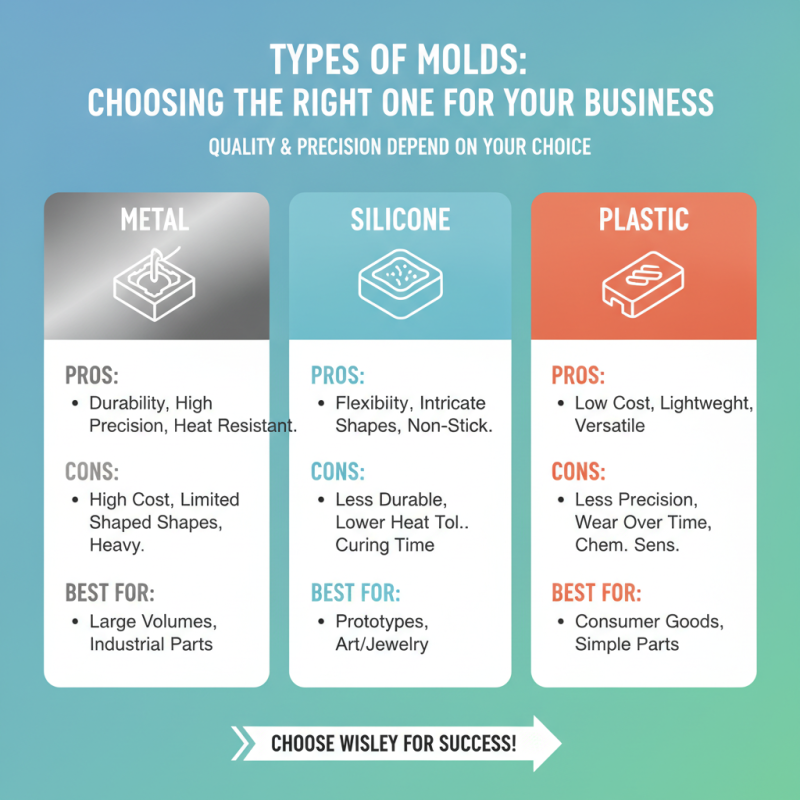
Choosing the right mold for casting is crucial for your business. Molds determine the quality and precision of your output. There are various types, including metal, silicone, and plastic. Each type has its pros and cons, making selection vital.
Metal molds offer durability and a long lifespan. They are great for high-volume production but can be expensive. Silicone molds are flexible and easy to use. They allow for intricate designs but may not hold up to high temperatures. Plastic molds are lightweight and cost-effective. However, they often have a shorter lifespan and may warp over time.
It's essential to weigh your options based on your production needs. Consider the materials you'll be working with. Think about the volume of parts you need to create. Choosing a mold is not purely about cost or convenience. Sometimes a more expensive option can save you money down the road. Take time to evaluate your choices. Factors like ease of use and versatility can impact your business significantly.
Melting Furnaces: Key Features and Considerations
When selecting melting furnaces for your casting operations, several key features must be considered. The furnace type directly affects production efficiency and overall costs. For instance, induction furnaces are often preferred for their quick heating capabilities and energy efficiency. Industry reports show that these furnaces can reduce energy consumption by around 30% compared to traditional gas-fired options. The ability to control melting temperatures precisely makes them a strong candidate for many metal types.
Another critical aspect is the furnace capacity. It's crucial to align furnace size with production needs. An undersized furnace can lead to bottlenecks, while an oversized one may result in unnecessary energy expenditure. According to a study from a leading metallurgical journal, optimizing furnace size can improve output by up to 20%.
Durability and maintenance also play vital roles. Regular wear and tear can compromise performance. High-quality materials can mitigate this risk, but they often come at a higher upfront cost. Reflecting on your long-term goals can guide this decision. Understand the trade-offs between initial investment and potential operational savings.
Top 10 Casting Equipment You Need for Your Business
| Equipment Name |
Key Features |
Considerations |
Price Range |
| Melting Furnace |
High temperature capability, energy-efficient |
Size and weight considerations |
$2,000 - $15,000 |
| Casting Machine |
Automated process, adjustable speed |
Capacity and type of metal |
$5,000 - $25,000 |
| Thermal Analysis System |
Real-time monitoring, accuracy |
Compatibility with metals |
$10,000 - $50,000 |
| Shell Molding Machine |
High precision, reduced scrap rate |
Initial setup cost |
$8,000 - $30,000 |
| Vacuum Casting Equipment |
Eliminates air bubbles, high-quality finish |
Maintenance requirements |
$15,000 - $60,000 |
| Degassing Unit |
Removes hydrogen and impurities |
Operating conditions |
$3,000 - $20,000 |
| Furnace Tongs |
Ergonomic design, heat-resistant |
Weight capacity |
$200 - $1,000 |
| Casting Flask |
Durable, various sizes available |
Material compatibility |
$50 - $500 |
| Sand Mixer |
High efficiency, homogenous mix |
Mixing capacity |
$5,000 - $20,000 |
| Cooling Bed |
Efficient cooling, sturdy design |
Space requirements |
$2,000 - $10,000 |
Handling Tools: Must-Have Equipment for Smooth Operations
Handling tools play a vital role in the casting industry. When equipment is inefficient, the workflow can suffer. Taking time to assess what tools are essential can dramatically improve productivity. Effective handling tools include tongs, lifting hooks, and pallet jacks. These items help in moving heavy materials safely.
Safety should always be a priority. You might overlook the importance of ergonomic tools. Comfort during operation can reduce fatigue and prevent injuries. Investing in high-quality gloves is wise, as they protect hands while providing necessary grip. Remember, not all tools fit every situation. Take time to evaluate the specific needs of your operations.
It’s also essential to consider maintenance. Regular checks on tools can prevent unexpected breakdowns. A tool left unchecked could lead to accidents or project delays. This is a detail that often gets ignored. Proper cleaning and storing can extend the life of handling equipment. A bit of diligence can make a significant difference in your operations.
Top 10 Casting Equipment You Need for Your Business
This bar chart illustrates the top 10 essential casting equipment based on their importance for smooth operations in a business. The data presented categorizes equipment by their relevance and estimated usage frequency.
Conclusion
Casting equipment is essential for any business engaged in manufacturing, as it directly influences the efficiency and quality of production. This article outlines the key components necessary for successful casting operations, starting with a comprehensive introduction to essential casting equipment. Safety is emphasized through the inclusion of crucial safety gear to protect workers during processes.
The types of molds are also discussed, guiding businesses in selecting the most suitable options for their needs. Melting furnaces are highlighted for their key features and considerations, ensuring that operators understand what to prioritize. Additionally, handling tools are identified as must-have equipment for ensuring smooth operations. Lastly, quality control instruments are vital for maintaining product consistency, making them indispensable in any casting environment. By investing in the right casting equipment, businesses can enhance productivity and achieve superior results.

 +86-13516964051


 CONTACT NUMBER
 CONTACT NUMBER