+86-13516964051


In today's manufacturing landscape, sourcing high-quality Metal Parts has become essential for business success. The global metal fabrication market is projected to reach $22.44 billion by 2025, underscoring the growing demand for precision-engineered products. As industries evolve, companies must adapt their strategies to remain competitive.
Many businesses underestimate the importance of selecting the right Metal Parts for their operations. Poor quality can lead to significant operational failures and financial losses. Reports indicate that 50% of manufacturing inefficiencies stem from sourcing challenges. Companies that prioritize reliable parts often see improvements in productivity and reduced downtime.
Choosing the right Metal Parts involves understanding specific requirements and industry standards. Quality, durability, and compatibility should be the focus. However, businesses often face challenges in balancing cost and quality. Revisiting sourcing strategies periodically is crucial for long-term success and sustainability in the competitive marketplace.
When sourcing metal parts for your business, consider essential criteria to ensure you make informed decisions. Durability is the top priority. Parts should withstand extreme conditions. According to industry reports, over 30% of failures in machinery relate to poor quality components. This highlights the need for rigorous quality assessments.
Cost is another crucial factor. Metal prices can fluctuate significantly. A reliable supplier should offer competitive pricing while ensuring quality. In fact, a study indicated that companies optimizing their sourcing strategies can reduce costs by up to 15%. Beware of deals that seem too good to be true, as they often compromise quality.
Tip: Always ask for certifications. Look for ISO standards. These ensure that the manufacturer adheres to strict quality controls. Regular audits of suppliers can help maintain standards.
Tip: Engage with your suppliers. Understand their manufacturing processes. A transparent relationship fosters trust. It also ensures that you receive parts that meet industry specifications.
Evaluating a supplier’s reputation is vital. Reviews and testimonials are great resources. Research can save you time and money. An unreliable supplier can halt your operations and damage your reputation. Keep these factors in mind to source effectively.

Metal parts play a crucial role in various industries. They are essential in construction, automotive, aerospace, and electronics. Different types of metal parts serve unique functions. Understanding these parts helps in sourcing effectively.
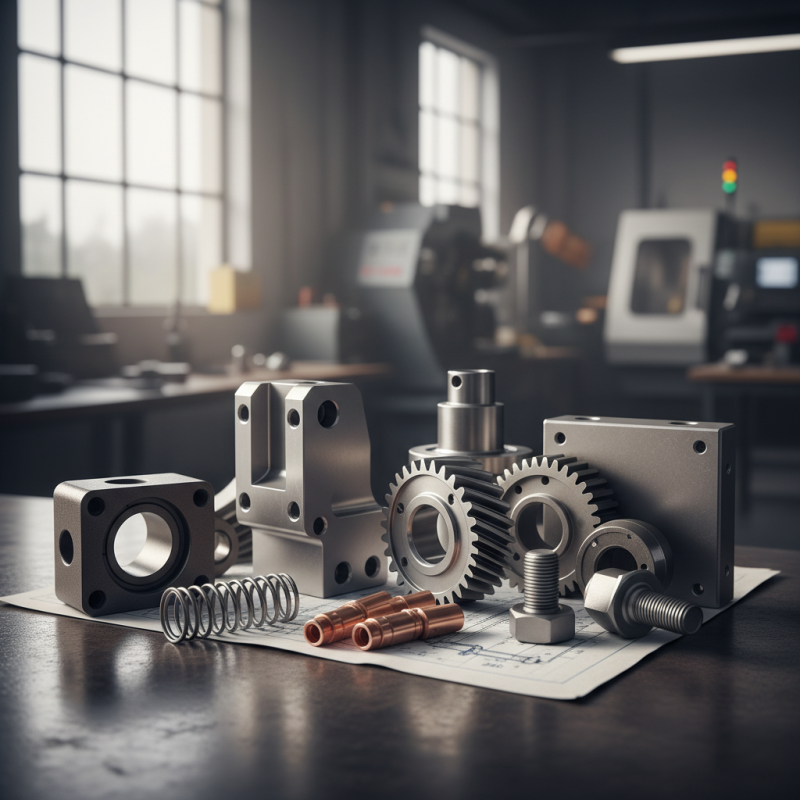
Common metal components include brackets, shafts, and fasteners. Brackets provide support and stability. Shafts are vital for transferring power in machinery. Fasteners like screws and bolts ensure parts stay together. These items often require precision manufacturing to meet industry standards.
Some businesses overlook the importance of quality in metal parts. Sourcing low-quality components can lead to failures. Regular inspections and material testing are necessary to maintain performance. Understanding your industry needs is key to making informed choices. Sourcing the right components can significantly affect your operational efficiency. It's essential to reflect on the sourcing process and prioritize reliability.
| Part Name | Material Type | Common Applications | Industry Use |
|---|---|---|---|
| Gear | Steel | Transmission systems | Automotive, Manufacturing |
| Bracket | Aluminum | Support structures | Construction, Aerospace |
| Bolt | Stainless Steel | Fastening components | Various |
| Pipe | Copper | Fluid transfer | Plumbing, HVAC |
| Plate | Carbon Steel | Structural applications | Construction, Manufacturing |
| Shaft | Alloy Steel | Rotational movement | Automotive, Machinery |
| Washer | Nylon | Load distribution | General Industry |
| Housing | Aluminum | Encasing mechanisms | Electronics, Automotive |
| Sheet Metal Part | Stainless Steel | Covers and enclosures | Manufacturing, Aerospace |
| Spring | Music Wire | Energy storage and release | Automotive, Industrial |
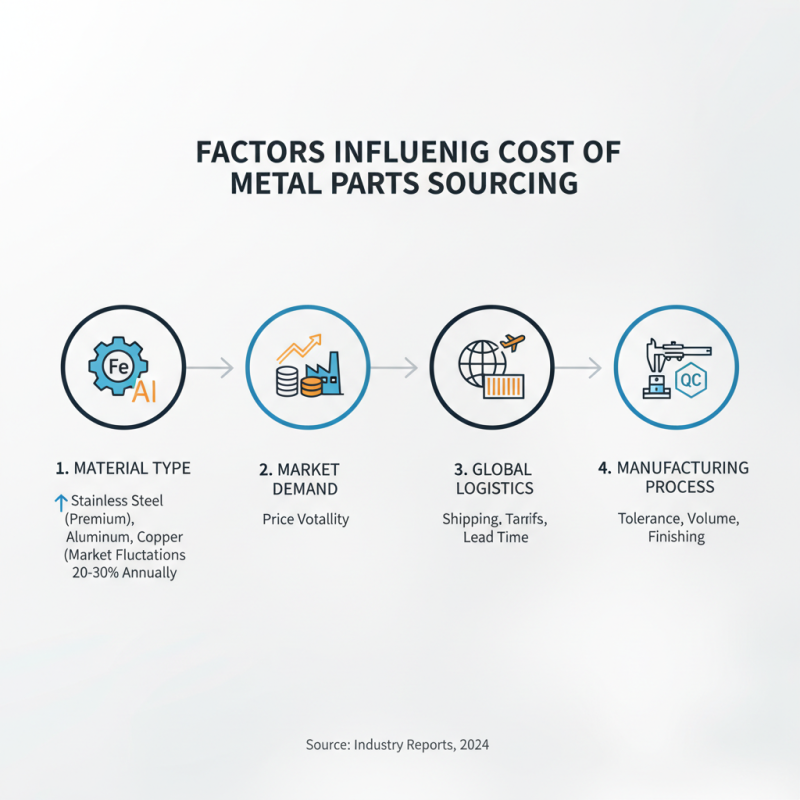
When sourcing metal parts for your business, a range of factors influences costs significantly. Material type plays a crucial role; for instance, stainless steel often comes with a premium due to its corrosion resistance. According to industry reports, the price of metals like aluminum and copper can fluctuate by 20-30% annually based on market demand.
Another key factor is manufacturing processes. CNC machining, for example, incurs higher costs than simpler methods such as stamping. The complexity of the design also matters. More intricate designs require additional labor and time. Recent studies indicate that up to 40% of total manufacturing costs can stem from design intricacies.
Supply chain dynamics add another layer of complexity. Geographic location of suppliers impacts shipping costs and delivery times. Data shows that global disruptions, such as pandemics, can increase lead times by 50% or more. Thus, understanding these variables and assessing their impact on overall costs is essential for informed sourcing decisions. Adjustments in one area can create ripples throughout the entire supply chain.
Sourcing metal parts can influence a business’s success significantly. Local suppliers offer speed and flexibility. Companies can receive parts rapidly. This can lead to reduced downtime in manufacturing processes. Local sourcing contributes to lower shipping costs. In fact, studies indicate that local sourcing reduces logistics costs by 20% compared to global suppliers.
However, global suppliers may provide broader options and competitive pricing. Access to a larger selection often enables companies to find unique materials. Yet, longer lead times and customs issues can arise. According to industry data, 35% of companies experience delays due to international shipping. This can hinder production schedules and result in missed deadlines.
There’s an element of risk with global sourcing. Fluctuating exchange rates can affect costs unpredictably. Additionally, quality assurance can be more challenging across borders. Many businesses find themselves in the dilemma of balancing cost savings with reliability. It’s crucial to evaluate both local and global options thoroughly, weighing benefits against potential downsides.
When sourcing metal parts, quality assurance is crucial. Establish clear criteria for measurement, conductivity, and durability. Understand the specifications that fit your project. This knowledge allows for better communication with suppliers. Regular audits of suppliers help to maintain these standards.
Testing is essential in procurement. Use techniques like tensile testing and hardness testing. These methods reveal how materials perform under various conditions. Document all results thoroughly. Ensuring that parts meet industry standards enhances reliability. Building a relationship with suppliers can lead to improved quality controls over time.
Reflecting on past experiences reinforces learning. Were there instances of receiving subpar parts? Analyzing these situations can prevent future issues. Consider feedback from your production team. They often have insights into which parts work effectively and which do not. Quality assurance is an ongoing process of learning and adjustment.