Top Zinc Casting Manufacturers for Your Global Sourcing Needs?
The global demand for Zinc Casting has seen remarkable growth in recent years. Analysts predict that the zinc die-casting market will expand at a CAGR of 6.5% between 2023 and 2028. This growth is driven by industries such as automotive and electronics, where Zinc Casting provides solutions for lightweight and durable components. According to industry expert Dr. Mark Sullivan, "Zinc Casting is crucial for manufacturing reliable parts that meet rigorous standards."
Zinc’s unique properties, including corrosion resistance and strength, make it a preferred choice for many manufacturers. A report from the International Zinc Association highlights that the automotive sector accounts for over 40% of total zinc castings. However, sourcing quality zinc components can be challenging. Many businesses face fluctuating prices and varying quality across suppliers.
Finding the right Zinc Casting manufacturer is essential for ensuring product integrity. Not all suppliers meet the same standards. As companies navigate global markets, they must consider both reliability and the expertise of their suppliers. This landscape is evolving, and businesses must be prepared to reassess their sourcing strategies. Seeking trusted partners in Zinc Casting can make all the difference in maintaining high-quality production.
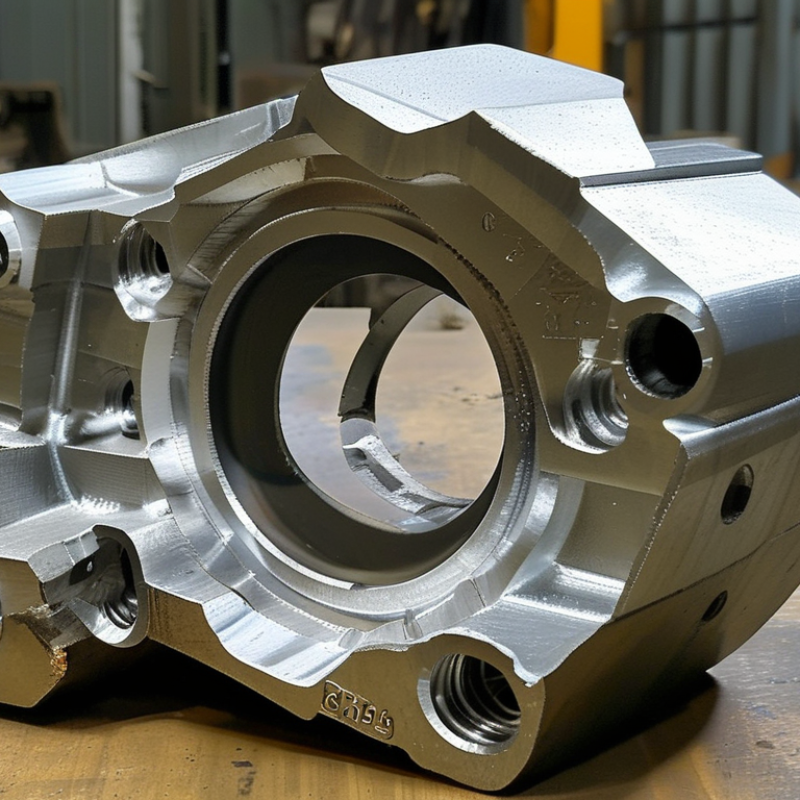
Global Zinc Casting Market Overview and Trends
The global zinc casting market is experiencing significant growth, driven by rising demand in various industries. According to a recent market analysis, the zinc casting market is projected to reach USD 4.5 billion by 2027, growing at a compound annual growth rate (CAGR) of approximately 6% from 2022. This growth indicates not only increasing applications but also the importance of sourcing strategies for manufacturers.
The automotive and electronics sectors are the largest consumers of zinc castings. Zinc's lightweight properties and corrosion resistance make it ideal for automotive parts. Reports show that over 25% of zinc castings are utilized in vehicle manufacturing. However, challenges remain. Issues related to raw material cost fluctuations and sustainability concerns may hinder growth in the short-term.
Furthermore, the trend of 3D printing and additive manufacturing is gaining traction. These technologies can enhance the efficiency of zinc casting processes. Some experts predict that these methods could reduce production times by as much as 30% in specific applications. Yet, significant investment in research and development is still needed to perfect these techniques. Engaging with emerging technologies will be key for manufacturers to stay competitive in this evolving market.
Key Players in the Zinc Casting Industry: A Comprehensive Review
The zinc casting industry plays a crucial role in various sectors. It is essential for manufacturers to partner with reliable zinc casting companies. These companies offer advanced techniques and quality assurance. Their expertise can greatly enhance product quality and durability.
When choosing a manufacturer, consider their experience in the industry. Look for certifications that demonstrate their commitment to quality. Established companies often have a better understanding of customer needs and industry standards. This can lead to better collaboration and results.
Tips: Evaluate the manufacturer's portfolio. This will help you assess their capabilities and past performance. Communicate your specific requirements clearly. This is vital for successful outcomes. Seek feedback from previous clients, as it offers insights into the company's reliability and service.
Evaluation Criteria for Selecting Zinc Casting Manufacturers
When evaluating zinc casting manufacturers, several key criteria can significantly influence your sourcing decisions. Efficiency in production processes is paramount. A report by MarketsandMarkets states that the global zinc die casting market is expected to reach $5.6 billion by 2025, indicating a rising demand for efficient manufacturers. Look for companies that implement lean manufacturing techniques. This minimizes waste and reduces lead times.
Quality assurance is another critical factor. According to industry standards, a manufacturer should have robust quality control measures in place. Certifications like ISO 9001 are essential. They demonstrate a commitment to maintaining high-quality production standards. Furthermore, consider a manufacturer’s experience. Companies with a long track record tend to deliver more consistent results.
Evaluating technical capabilities is equally important. Manufacturers must invest in advanced technology to stay competitive. The use of computer-aided design (CAD) and simulation software is becoming standard. However, not every manufacturer excels in this area, leading to variations in product quality. It’s crucial to ask for case studies or references to assess their technical expertise. While many manufacturers may claim high standards, actual performance can vary widely.
Production Techniques and Innovations in Zinc Casting
Zinc casting has gained popularity in various industries due to its low cost and desirable properties. Innovations in production techniques have transformed how components are created. Advanced die-casting methods, including high-pressure die casting, have increased efficiency and accuracy. According to a report from Grand View Research, the global zinc casting market is expected to grow by over 4% annually through 2025.
Sustainable practices are also making waves in zinc casting. Companies are investing in eco-friendly materials and recycling methods. For instance, used zinc can be melted and reused without losing quality. This reduces waste and conserves resources. Gathering data from industry studies shows that producers adopting sustainable measures can reduce costs significantly while maintaining product integrity.
Tip: Consider the sourcing of materials when planning your zinc projects. Reliable suppliers prioritize quality and sustainability. Always assess production processes for efficiency and environmental impact. This ensures long-term benefits and aligns with modern industry standards.
Global Sourcing Strategies for Zinc Casting Components
Global sourcing for zinc casting components is increasingly vital in today’s manufacturing landscape. Reports indicate that the global zinc die casting market is projected to reach USD 20 billion by 2025, driven by demand in the automotive and electronics sectors. This growth highlights the need for effective sourcing strategies tailored to specific applications and regional manufacturing capabilities.
Sourcing zinc castings involves assessing various factors, such as material properties, production techniques, and supplier capabilities. Emerging trends show a shift toward sustainable practices, with manufacturers seeking suppliers that adhere to environmental regulations and sustainable sourcing guidelines. Utilizing platforms like B2B marketplaces can enhance transparency and efficiency. However, challenges remain, such as quality assurance and timely delivery, which can vary greatly across international suppliers.
Evaluating supplier credentials is critical. Some manufacturers may promise low prices but lack the quality and reliability needed for critical components. Data from industry surveys show that over 30% of buyers reported issues with product defects. Building long-term relationships with trusted suppliers can mitigate risks and promote innovation. Ultimately, the landscape of zinc casting sourcing is complex yet offers substantial opportunities for those prepared to navigate its intricacies.

 +86-13516964051


 CONTACT NUMBER
 CONTACT NUMBER