Leave Your Message

Why Choose Aluminum Parts for Manufacturing?

Why do manufacturers choose Aluminum Parts for products that must balance weight, strength, and cost? The answer depends on the job. Aluminum is relatively light, conducts heat well, and can be shaped through processes such as machining, casting, and extrusion. These traits make it useful in housings, brackets, heat sinks, and transport components. A lighter part can reduce the mass of an assembly, while a carefully designed profile can provide stiffness without unnecessary material. Small details matter.

Material selection is not a slogan. Alloy, temper, geometry, surface finish, and production volume all affect performance and price. For example, a machined aluminum housing may offer precise features and a clean fit, but its design should account for tool access, wall thickness, and chip removal. Corrosion resistance also varies by alloy and environment; coatings or other surface treatments may be appropriate in demanding conditions. Aluminum is not a universal answer. Some applications need greater wear resistance, higher operating temperatures, or lower material cost, and another material may serve better.

A reliable decision starts with measurable requirements: load, temperature, tolerances, expected service life, and manufacturing route. Engineers should review these alongside supplier capabilities and inspection plans, rather than relying on a material name alone. Prototypes can reveal issues that drawings miss, including distortion, vibration, or difficult assembly. This takes time. Still, that extra review can prevent expensive redesigns later. Understanding both the strengths and limits of Aluminum Parts helps manufacturers choose components that are practical, consistent, and suited to their intended use.
Why Choose Aluminum Parts for Manufacturing?

Aluminum Alloys and Their Key Material Properties

Aluminum alloys do not behave as one uniform material. Their properties change with alloying elements, heat treatment, and product form. At about 2.70 g/cm³, aluminum is roughly one-third the density of steel, according to the Aluminum Association’s Aluminum Design Manual. That lower mass can benefit moving parts and lightweight frames.

But it does not automatically reduce total manufacturing cost.

Strength varies considerably. ASM Handbook, Volume 2, gives typical 6061-T6 tensile strength near 310 MPa; actual values depend on form and specification. 7075-T6 can exceed 500 MPa, yet its corrosion resistance and weldability require careful review.

Aluminum also conducts heat efficiently: 6061 is around 167 W/m·K at room temperature, according to ASM material-property data. This can help a housing shed heat, but it also moves heat into the cutting zone during machining. A small detail, with real consequences.

Check the alloy, temper, thickness, and operating environment against certified product data before finalizing a design. Generic datasheet values are useful, but they are not guarantees.
How Aluminum Parts Are Made

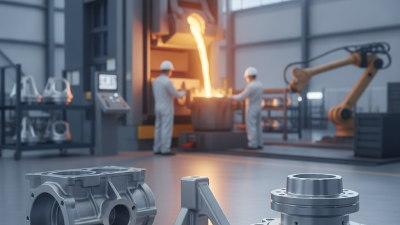
Aluminum parts suit manufacturing because the metal is relatively light, corrosion-resistant, and easy to shape. The process starts by matching the alloy and stock form to the part’s job. A bracket may be cut from sheet, while a housing could be machined from billet or made by casting. Each route affects cost, strength, finish, and production time.

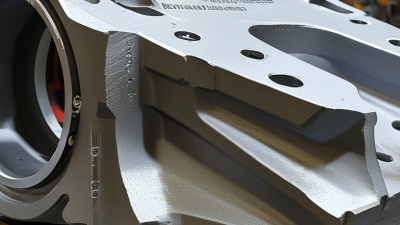
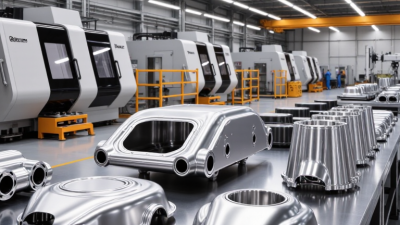
For a machined part, a digital drawing guides cutting tools as they remove material from a block. The shop checks tool paths, clamping points, and tolerances before production. Then operators mill or turn the stock, deburr sharp edges, and inspect critical dimensions with gauges or coordinate-measuring equipment. Some parts receive heat treatment or a surface finish, such as anodizing. Small details matter. A tiny burr can disrupt assembly, and a rushed setup may leave visible tool marks. The cleanest drawing does not always make the easiest part to produce; that deserves a second look.

Tips: Specify only the tolerances the part truly needs. Tight limits can add machining time and inspection effort. Ask how the part will be supported during cutting, and confirm that the chosen finish suits its working environment. A quick prototype can reveal awkward features before a larger run.

Manufacturing Benefits of Choosing Aluminum

Aluminum parts can lower product weight without making every component feel flimsy. A machined housing, for example, may be easier to lift and install than a comparable steel part. Lower mass can also reduce the load on moving assemblies. That matters in equipment that cycles all day. Aluminum conducts heat well, so it can help spread warmth from compact components. The benefit depends on the design, though; the material alone cannot solve poor heat management.

Many aluminum alloys are straightforward to machine, which can support precise features and shorter production cycles. They also form a naturally protective oxide layer, but this does not make every alloy suitable for wet or salty conditions. Alloy, temper, wall thickness, and finish all matter. Aluminum is softer than many steels, so threads and thin edges may wear or deform sooner. Not always a deal-breaker. Still, it deserves attention during design reviews. A useful choice balances weight, strength, corrosion exposure, and the cost of finishing—not just the raw material price.

Tips: Specify the alloy and temper, not just “aluminum.” Check wall thickness around holes, and test a sample part under real loads. Revisit the choice if wear appears early.

Why Choose Aluminum Parts for Manufacturing?

Manufacturing Benefits of Choosing Aluminum

Aluminum’s density is about one-third that of steel, making it a lightweight choice for parts where reducing mass matters. Values shown are typical and can vary by alloy and grade.

Limitations and Design Considerations

Aluminum can reduce part weight, but that advantage comes with design limits. Its elastic modulus is roughly one-third of steel’s, so a long, slender bracket may bend more under the same load. Thermal expansion is also higher; a close-fitting assembly can shift as temperatures change. Alloy and temper matter, too. Do not treat “aluminum” as one uniform material.

Thin walls and deep pockets can vibrate during machining, leaving chatter marks or uneven dimensions. Add ribs or support features where loads demand them, while avoiding abrupt thickness changes that concentrate stress. Specify tolerances only as tightly as the function requires; unnecessary precision can increase machining time and scrap. Surface treatments may help with wear or appearance, but they can affect dimensions and fit. In mixed-metal assemblies, moisture can promote galvanic corrosion, so consider compatible fasteners and isolation washers. Weldability varies by alloy, and heat can reduce strength near a joint.

Small detail, large consequence.

Tips: Review the part’s load, temperature range, and mating surfaces before finalizing the design. Ask the manufacturer to check thin sections and critical fits. A first prototype may still reveal a weak assumption.

Common Industrial Applications of Aluminum Parts

Aluminum parts are common in transportation, electronics, and factory equipment because they combine low weight with useful strength. In vehicle assemblies, machined brackets, housings, and structural supports help reduce mass without adding bulky components. A lighter part can make handling and installation easier, too. Small details matter.

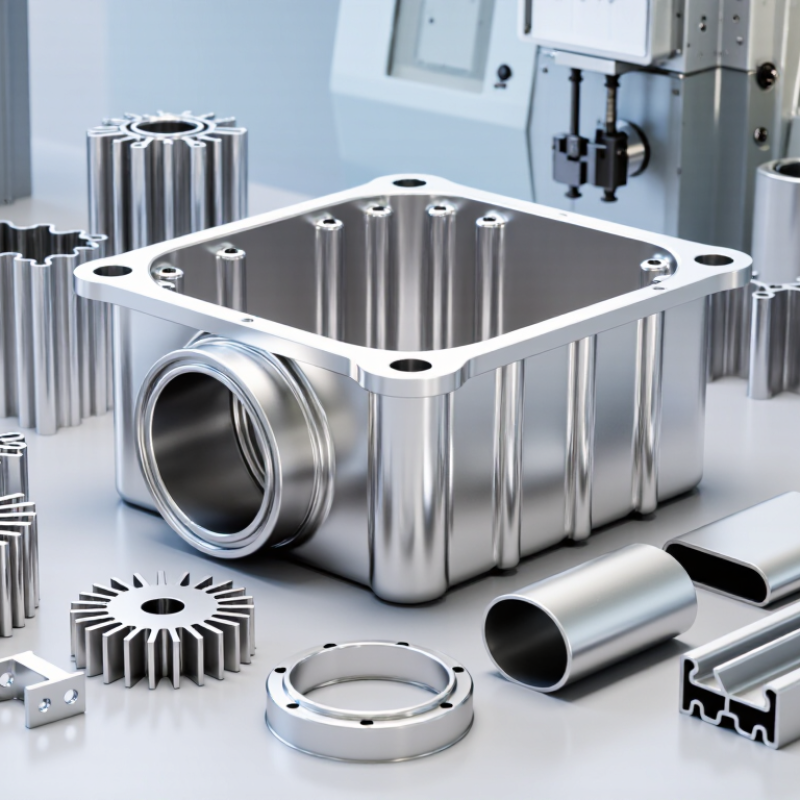
Electrical equipment often uses aluminum enclosures and heat sinks. These parts protect sensitive components and help move heat away from them. In industrial machinery, aluminum plates, guards, and mounting blocks can be easier to machine than many heavier alternatives. Their surfaces may need finishing when appearance or wear resistance is important.

Construction systems use aluminum frames, fittings, and support profiles, especially where corrosion resistance and manageable weight are useful. Packaging machinery may use aluminum rails and adjustable fixtures, which workers can reposition without lifting heavy steel assemblies. Still, aluminum is not automatically the best choice. A thin part can flex under load, and some applications need greater wear resistance or stiffness. Designers should check loads, operating temperatures, joining methods, and the environment before selecting an alloy. It is easy to focus on weight and miss the less obvious trade-offs.

Why Choose Aluminum Parts for Manufacturing? - Common Industrial Applications of Aluminum Parts

Industrial Application Typical Aluminum Parts Why Aluminum Is Used Common Manufacturing Processes Important Design Considerations
Aerospace and aviation Brackets, interior fittings, housings, and selected structural components Its low density helps reduce component weight, while suitable aluminum alloys can provide useful strength and machinability. CNC machining, sheet-metal forming, and extrusion Alloy and temper must meet the component’s strength, fatigue, corrosion, and certification requirements.
Automotive and transportation Heat exchangers, housings, brackets, wheels, and body panels Lower mass can help reduce vehicle weight. Aluminum also conducts heat well, making it useful in thermal-management components. Die casting, extrusion, stamping, and CNC machining Consider impact loads, joining methods, corrosion protection, and the requirements of the specific vehicle system.
Electronics and electrical equipment Equipment enclosures, heat sinks, chassis, and mounting plates Aluminum combines low weight with good thermal conductivity and can be finished to provide a durable surface. Extrusion, sheet-metal fabrication, die casting, and CNC machining Account for heat dissipation, electrical isolation where needed, ventilation, and dimensional tolerances.
Construction and architecture Window frames, curtain-wall profiles, handrails, and façade components Extruded aluminum profiles can be shaped into complex sections. Aluminum also forms a protective oxide layer, though finishes may be used for appearance and added protection. Extrusion, cutting, drilling, bending, and surface finishing Design for wind and structural loads, thermal movement, drainage, and isolation from dissimilar metals.
Food and beverage processing Machine guards, trays, frames, and selected equipment components Its low weight and machinability can support easy handling and fabrication. Some aluminum alloys are suitable for specific food-contact uses when applicable regulations are met. Sheet-metal forming, welding, extrusion, and CNC machining Choose an alloy and surface finish appropriate for the food, cleaning chemicals, and applicable food-contact regulations.
Marine equipment Deck fittings, housings, brackets, and boat structures Marine-grade aluminum alloys can offer a useful balance of low weight and corrosion resistance in suitable environments. Welding, extrusion, plate cutting, and CNC machining Saltwater exposure and contact with other metals can increase corrosion risk; alloy selection, coatings, and electrical isolation matter.
Industrial machinery and automation Machine frames, guards, fixture plates, and conveyor components Aluminum is easy to machine and fabricate, and extruded profiles can simplify modular frame construction. Extrusion, CNC machining, sawing, drilling, and assembly Check stiffness, vibration, load capacity, and wear; steel or another material may be preferable for highly loaded or abrasive interfaces.