2026 Best Die Casting Aluminum Parts Suppliers?
Choosing the right Die Casting Aluminum Parts supplier in 2026 requires more than comparing quoted prices. It requires evidence.
Demand is rising as manufacturers pursue lighter, stronger, and more recyclable components. The International Energy Agency’s Global EV Outlook 2024 reported more than 14 million electric cars sold globally in 2023. Electric vehicles require precisely engineered housings, motor covers, battery structures, and thermal-management components. The U.S. Department of Energy also notes that reducing vehicle weight by 10% can improve fuel economy by approximately 6% to 8%.
The opportunity is substantial. However, market forecasts vary because researchers define die casting differently. Grand View Research and Fortune Business Insights both identify automotive applications as major growth drivers. Their reports also highlight automation, high-pressure casting, and aluminum’s expanding industrial use. These trends matter when reviewing suppliers for the 2026 market.
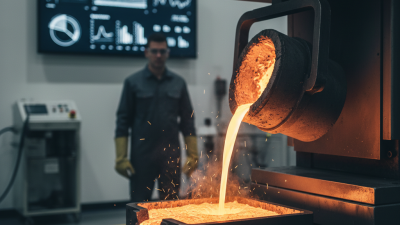
A reliable supplier should demonstrate more than polished samples. Ask for alloy specifications, dimensional inspection records, porosity controls, mold-life data, and traceable material certificates. NADCA guidance remains useful for reviewing process capability, casting design, and quality documentation. Factory visits can reveal practical details, such as how operators monitor molten-metal temperature and remove flash from each part.
Price still matters. It should not lead the decision.
The strongest candidates combine engineering support, stable production, transparent communication, and credible delivery records. Yet no ranking is perfect. Supplier performance can change after tooling approval, especially when volumes increase sharply. This guide examines leading manufacturers through technical capability, certifications, capacity, sustainability practices, and customer reliability, helping buyers build a more defensible 2026 shortlist.
What Are Die Casting Aluminum Parts and Why Do They Matter in 2026?
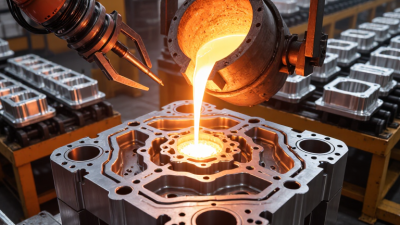
Die casting aluminum parts are metal components formed by forcing molten aluminum into a reusable steel mold under high pressure. The mold creates detailed shapes, thin walls, mounting points, and cooling channels with impressive repeatability. After solidification, the part is trimmed, inspected, and sometimes machined or coated. A finished housing may include ribs, threaded holes, and a smooth sealing surface in one compact structure.
These parts matter in 2026 because manufacturers need lighter products without sacrificing strength or heat management. Aluminum reduces weight in vehicles, automation equipment, battery enclosures, and industrial machinery. Its thermal conductivity also helps move heat away from motors and electronic systems. Faster production can reduce material waste and support consistent large-volume output. Small dimensional errors still matter.
The best supplier is not simply the one offering the lowest quotation. A dependable partner should explain alloy selection, mold life, wall thickness, porosity risks, and inspection methods clearly. Production records should connect each batch with material certificates and test results. Sample checks may include coordinate measurement, leak testing, X-ray inspection, and tensile testing when required. No process is flawless. A polished sample can hide internal voids or future cracking. I would request a pilot run, review actual inspection data, and question any promise that sounds too perfect. That careful step often reveals whether technical knowledge matches factory reality.
2026 Best Die Casting Aluminum Parts Suppliers: Alloy Performance Guide
Die casting aluminum parts are components produced by injecting molten aluminum alloy into a steel mold under high pressure. In 2026, supplier selection should consider alloy strength, dimensional consistency, porosity control, finishing capability, and inspection standards. The chart compares representative tensile and yield strength values for commonly used aluminum casting alloys.
Values shown are typical published mechanical-property figures and can vary with heat treatment, casting design, wall thickness, and production controls. Higher strength is only one supplier-selection factor; porosity, tolerance capability, surface finish, traceability, and quality certification also matter.
Sources: North American Die Casting Association and MatWeb material property data.
How to Evaluate Die Casting Aluminum Parts Suppliers
2026 Best Die Casting Aluminum Parts Suppliers?
How to Evaluate Die Casting Aluminum Parts Suppliers
Choosing a die casting supplier requires more than comparing hourly rates. Ask how the supplier controls alloy composition, mold temperature, injection speed, and cooling time. These variables affect porosity, strength, surface quality, and dimensional stability.
Request recent sample parts, inspection reports, and process records. A reliable supplier should explain its equipment, tooling maintenance, and quality checks clearly. Look for coordinate measuring machines, X-ray inspection, and documented calibration schedules. Verify whether each batch can be traced to material certificates and production dates. A polished website proves little.
Visit the facility when possible. Watch operators check flash, cracks, filling marks, and trapped air around thin sections. Ask how rejected parts are separated and investigated. Experienced teams usually discuss corrective actions with specific evidence, not vague promises. They should also review your drawings before quoting, because unclear tolerances can create avoidable cost.
Do not judge capability from one impressive prototype. Evaluate repeatability across several production runs. Ask for data on cycle times, defect rates, tooling life, and delivery performance. A supplier may meet a tight tolerance once and struggle later. That possibility deserves attention.
I have found that communication often reveals more than machinery. Does the engineering team challenge unrealistic requirements? Do they report delays early? Those answers matter. No scorecard is perfect. Weight technical control, traceability, responsiveness, and total cost against your project’s real risks.
Which Manufacturing Capabilities Define a Leading Supplier?
A leading aluminum die casting supplier is defined by control, not catalog size. It should translate a thin-wall housing into a stable process before cutting steel. Engineers need flow simulation, thermal analysis, and mold filling trials. They should show gate locations, vent strategy, cycle assumptions, and expected porosity. According to the 2025 IEA Global EV Outlook, electric car sales exceeded 17 million in 2024. That growth raises demand for repeatable battery trays, motor housings, and structural parts. Yet speed alone is not capability.
Look for high-pressure machines with closed-loop shot monitoring, vacuum assistance, and controlled die temperatures. Ask for evidence, not promises. A serious plant records melt chemistry, die lubricant, shot profile, and dimensional results by lot. CT scanning, leak testing, tensile checks, and CMM inspection should connect to a documented control plan. ISO 9001 supports process discipline, while IATF 16949 adds automotive quality requirements. These certificates help. They do not replace production records.
Finishing capability matters after casting. T6 heat treatment, CNC machining, deburring, surface protection, and clean assembly should fit one traceable workflow. The International Aluminium Institute reports that recycling aluminum uses about 95% less energy than primary production. Ask how scrap is segregated and returned without alloy contamination. A supplier may still overlook tool maintenance or late design changes. That weakness is common, and uncomfortable. Require first-article data, capability studies, and corrective-action history before approval.
How to Select the Best Supplier for Your Project Requirements
2026 Best Die Casting Aluminum Parts Suppliers?
How to Select the Best Supplier for Your Project Requirements
Choosing an aluminum die casting supplier should begin with your part, not a supplier’s sales pitch. Share the drawing, alloy requirement, annual volume, surface finish, and critical tolerances. A capable supplier should explain tooling design, casting pressure, trimming, machining, and inspection methods clearly. Ask for process capability data, material certificates, dimensional reports, and sample parts from similar projects. Evidence matters.
Review the supplier’s experience with thin walls, deep ribs, threaded holes, and complex cooling channels. These details can affect porosity, warping, and machining costs. Check whether engineers use flow simulation before building the die. Request a realistic timeline covering design approval, tooling, trials, corrections, and mass production. Ask for traceability from raw aluminum to final inspection. Small details matter.
Cost comparisons can be misleading. A lower mold price may hide weak maintenance plans or expensive secondary operations. Discuss capacity, backup equipment, packaging, and response times during quality issues. Visit the facility when possible, and observe cleanliness, measurement equipment, and operator discipline. Ask for a controlled sample approval process.
No supplier is perfect. A polished sample can still hide unstable production. One overlooked tolerance may create repeated assembly failures. Require written acceptance criteria and an escalation process before ordering. Select the partner that matches your engineering risks, quality expectations, delivery pressure, and realistic budget.

 +86-13516964051


 CONTACT NUMBER
 CONTACT NUMBER