2026 Top Aluminum Die Casting Mould Trends for Global Buyers?
The Aluminum Die Casting Mould industry is rapidly evolving, driven by innovation and changing market demands. As we look towards 2026, global buyers must stay informed about emerging trends. Industry expert Dr. Emily Chen states, “Understanding the future of Aluminum Die Casting Mould can lead to smarter investments.” Her insights highlight the importance of adaptation.
Sustainability is becoming a key focus for manufacturers. The industry is shifting towards eco-friendly materials and processes. This transition brings both challenges and opportunities for buyers. Companies must rethink their sourcing and production strategies. Adapting to these new standards may be daunting, but the long-term benefits are significant.
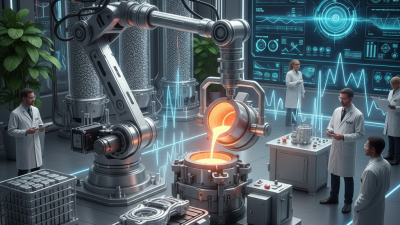
Technological advancements also play a crucial role in shaping future trends. Automation and AI integration are streamlining operations. These innovations promise efficiency and precision. However, they demand a skilled workforce ready to embrace change. The industry faces a talent gap that needs addressing. Finding skilled professionals remains a hurdle. As buyers navigate this landscape, they must balance innovation with practical implementation in their Aluminum Die Casting Mould strategies.
Emerging Technologies in Aluminum Die Casting Mould Manufacturing
The aluminum die casting mould manufacturing industry is experiencing notable transformations due to emerging technologies. Advanced automation is at the forefront, streamlining production processes and enhancing precision. A recent report from Grand View Research indicates that the global aluminum die casting market is projected to reach $45 billion by 2027. This growth signals a shift toward more efficient production techniques, emphasizing automation and robotics.
Additionally, 3D printing technology is changing how moulds are designed and produced. By using additive manufacturing, companies can create complex geometries that were difficult or impossible with traditional methods. This innovation reduces lead times and material waste significantly. According to a McKinsey study, companies that adopt 3D printing can reduce production costs by up to 30%. However, implementing this technology presents challenges. Many manufacturers face a steep learning curve and issues with integration into current systems.
Another trend is the increased focus on sustainability. More companies are adopting eco-friendly materials and processes. The Energy Information Administration reported that aluminum production contributes heavily to carbon emissions. However, innovative approaches like using recycled aluminum aim to mitigate this impact. Yet, transitioning to these sustainable practices can be resource-intensive and requires a shift in mindset across the industry.
Sustainable Practices and Eco-Friendly Materials in Die Casting
The die casting industry is shifting towards sustainable practices and eco-friendly materials. This transition is vital for reducing carbon footprints and enhancing product longevity. Many manufacturers now prioritize recyclable aluminum. By using recycled materials, they effectively lower energy consumption and production waste. This approach not only diminishes environmental impact but also appeals to eco-conscious consumers.
Tips: Consider partnering with suppliers that specialize in eco-friendly materials. This ensures compliance with sustainability goals. Regularly evaluate your sourcing strategies and seek innovative solutions.
Adopting green technologies in die casting processes is also essential. Techniques such as low-pressure die casting reduce energy usage. Implementing efficient cooling systems can minimize waste and drive down operational costs. However, the transition to these practices may encounter challenges, including initial costs and technology integration. Continuous assessment of these methods is necessary for long-term success.
Tips: Stay informed about emerging green technologies in die casting. Attend workshops and webinars to gain insights from industry experts. Creating a network with like-minded businesses can foster collaborative innovation.
Innovations in Mould Design and CAD Integration for Efficiency
The aluminum die casting industry is evolving rapidly. Innovations in mould design and CAD integration are pivotal. Reports show that advanced CAD tools can reduce design time by up to 30%. Efficient modelling leads to better production outcomes. In 2026, buyers should expect a shift toward more customizable solutions.
Integrating Computer-Aided Design (CAD) into mould design streamlines workflows. This integration reduces errors during the initial stages. According to industry analysis, accurate simulations minimize runtime by around 25%. However, reliance on software alone can be risky. Human oversight remains vital to catch nuanced design flaws.
The trend towards lightweight moulds enables faster casting processes. Lightweight designs lead to reduced material costs and shorter machining times. Data indicates that optimizing mould weight can enhance productivity by 15%. Yet, achieving the perfect balance between weight and durability can be challenging. Continuous innovation is essential for overcoming these hurdles. The future of die casting depends on embracing these design advancements while addressing inherent complexities.
2026 Trends in Aluminum Die Casting Mould Design
This chart illustrates the adoption rates of various trends in aluminum die casting mould design for 2026. The integration of 3D printing and intelligent automation are leading the way, showcasing innovations that enhance efficiency and sustainability in the industry.
Market Demand and Economic Factors Influencing Die Casting Trends
The demand for aluminum die casting is influenced by various economic factors. Current industrial growth patterns highlight a shift towards lightweight materials. Such trends are driven by the automotive and aerospace sectors. As these industries prioritize efficiency, aluminum die casting becomes increasingly attractive. Adopting this method often results in lower production costs and better performance.
Market demand also fluctuates with economic cycles. When global economies are robust, the need for innovative die casting solutions rises. Conversely, during downturns, businesses may hesitate to invest. Understanding market dynamics is essential for suppliers and buyers alike.
Tips for buyers: Focus on suppliers that showcase sustainability practices. Their commitment to eco-friendly processes can benefit your projects. Additionally, be open to feedback about changing demands. Flexibility in adapting to new trends will enhance your competitive edge. Keeping a pulse on economic indicators can also guide your purchasing decisions. Always assess the balance between cost and quality for optimal outcomes.
2026 Top Aluminum Die Casting Mould Trends for Global Buyers
| Trend |
Market Demand |
Economic Factors |
Projected Growth (%) |
| Sustainability in Die Casting |
Increasing demand for eco-friendly products |
Regulatory pressure and consumer preference |
12% |
| Automation and Smart Casting |
Growing demand for efficiency and speed |
Investment in technology and labor costs |
15% |
| Customization and Complexity |
Rising need for complex geometries |
Shifting consumer preferences and new industries |
10% |
| Lightweight Solutions |
Demand growth in automotive and aerospace sectors |
Fuel efficiency regulations and material costs |
14% |
| Advanced Alloy Development |
Increasing demand for high-strength materials |
Technological advancements and research funding |
9% |
Future Prospects: Automation and Industry 4.0 in Die Casting Processes
The die casting industry is on the brink of a revolution as automation and Industry 4.0 technologies take center stage. Automation enhances efficiency, reducing production times significantly. Robots and smart machines streamline workflows. They help minimize human error and improve safety on the factory floor. However, the transition to fully automated processes is not without challenges. Adapting existing machinery and training personnel to work with new technologies require time and investment.
Industry 4.0 introduces advanced data analytics and IoT connectivity. This level of integration allows for real-time monitoring of processes. Manufacturers can quickly respond to failures or inefficiencies. Data-driven decision-making may enhance product quality. Yet, the complexity of data systems poses risks. Over-reliance on technology might lead to vulnerabilities, such as cybersecurity threats.
The push towards sustainability also shapes die casting practices. Companies are exploring eco-friendly materials and energy-efficient processes. This shift is essential but may require deeper changes in operational philosophies. Balancing economic pressures with eco-consciousness is vital. Striving for innovation while managing these competing demands is a reality many face.

 +86-13516964051


 CONTACT NUMBER
 CONTACT NUMBER