Aluminum Casting Machine Benefits and Features for Buyers
The aluminum casting industry is evolving rapidly, driven by advancements in technology and increasing demand for high-quality components. Aluminum Casting Machines play a crucial role in this transformation. According to a recent market report, the aluminum casting machinery market is projected to grow at a CAGR of 4.5% over the next five years. This growth reflects the rising need for efficient and cost-effective manufacturing processes.
These machines offer numerous benefits for buyers, such as enhanced precision and reduced waste. They enable manufacturers to produce lightweight components that meet stringent industry standards. A reliable Aluminum Casting Machine ensures consistent product quality, which is critical in sectors like automotive and aerospace. However, not all machines provide equal performance. It's essential for buyers to analyze specifications carefully and consider long-term service and support.
Investing in an Aluminum Casting Machine can lead to significant savings and increased productivity. Buyers must weigh potential challenges, such as initial costs and maintenance requirements, against the long-term advantages. Making an informed decision requires thorough research and consultation with industry experts to avoid pitfalls.
Benefits of Aluminum Casting Machines for Manufacturing Efficiency
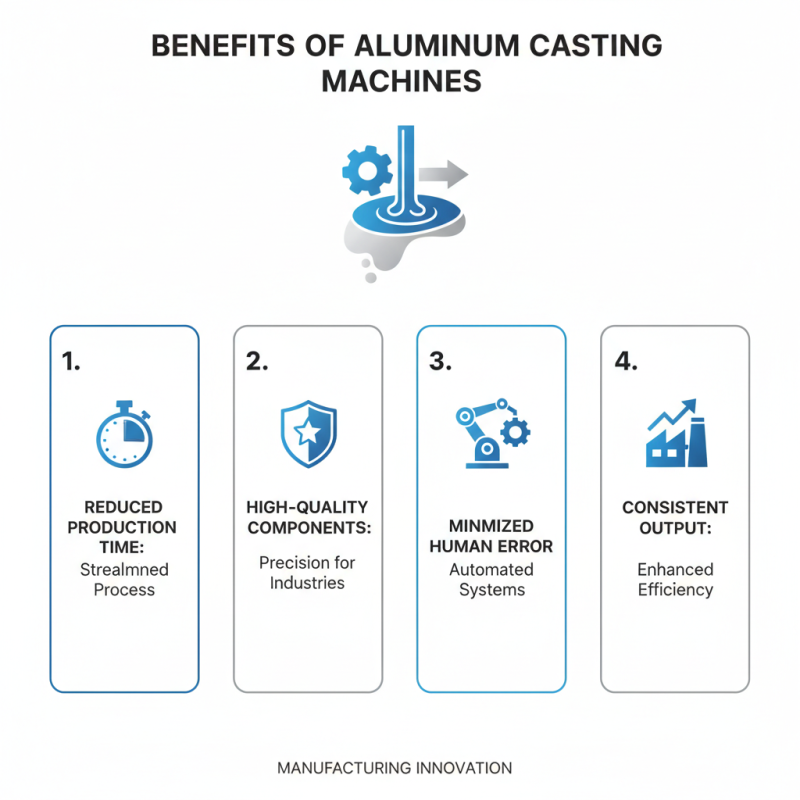
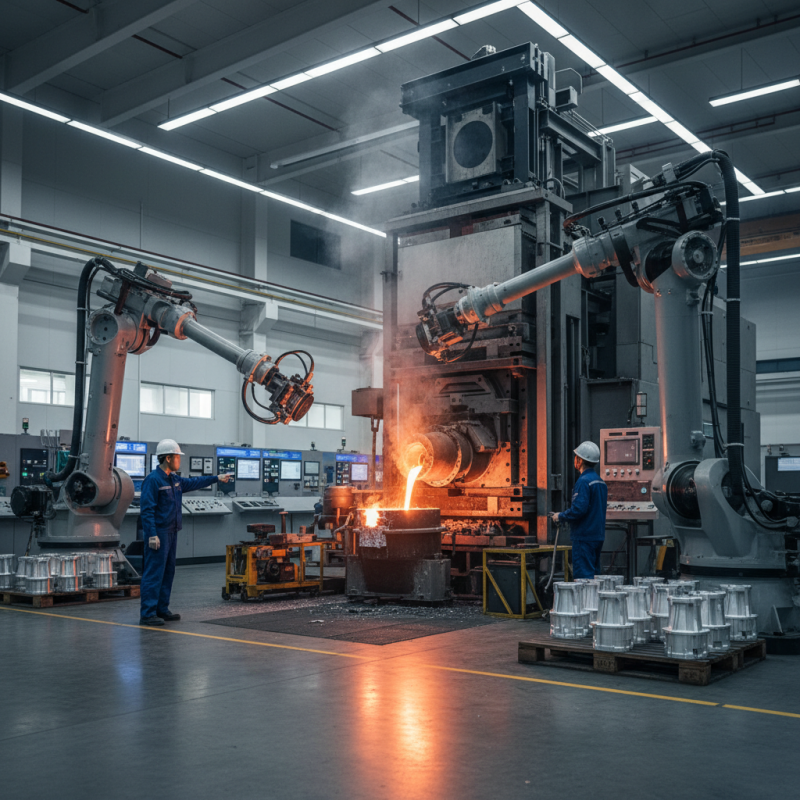
Aluminum casting machines play a crucial role in enhancing manufacturing efficiency. These machines streamline the casting process, reducing production time. Their ability to produce high-quality components is essential for industries requiring precision. Automated systems minimize human error, which is vital for consistent output.
Tips: Consider the machine's capacity before purchase. Assess how it aligns with your production needs. Investing in machines with high energy efficiency can lead to significant cost savings over time.
The setup and maintenance of these machines may seem daunting initially. Yet, understanding their operational mechanics can boost productivity. An effective training program for operators is beneficial. This fosters a deeper understanding of machine capabilities. Fine-tuning production processes can lead to unexpected enhancements.
Environmentally friendly practices are also significant. Many aluminum casting machines are designed to reduce waste. Keeping an eye on sustainability can enhance both corporate responsibility and market appeal. With constant advancements, staying informed about the latest technologies is crucial for optimizing performance.
Key Features to Look for in an Aluminum Casting Machine
When considering an aluminum casting machine, it's essential to recognize the key features that can enhance your production. Look for a machine with a robust construction. A sturdy design often leads to increased durability and reliability during operation. This is critical for maintaining consistent quality in your casting processes.
Another important aspect is the machine's precision capabilities. Precision affects the overall quality of the cast products. High precision reduces waste and improves the finish of your components. Advanced machines offer features like computer numerical control (CNC) for enhanced accuracy. This can significantly impact efficiency and effectiveness in manufacturing.
Tips: Research the machine’s specifications and user reviews. Understanding the experiences of others can provide valuable insights. Also, consider the machine's energy efficiency. While it may not seem like a priority, lower energy consumption can lead to cost savings.
Durability is necessary, but flexibility is equally important. A machine that adapts to different casting techniques can be beneficial. It ensures you can meet various production demands. Reflect on whether the features align with your specific production needs. A well-suited machine can streamline operations and reduce lead times.
Comparative Advantages of Aluminum Casting Over Other Methods
Aluminum casting offers distinct benefits over other manufacturing methods. It stands out due to its lightweight properties. This is crucial for industries like automotive and aerospace, where weight reduction enhances performance. The precision of aluminum casting allows for complex shapes and tight tolerances, which is often challenging with alternatives like steel or plastic molding.
Another advantage lies in its excellent corrosion resistance. Aluminum naturally forms a protective oxide layer, making it particularly suited for outdoor applications. Compared to iron or steel, aluminum parts maintain their integrity in harsh environments. This durability can lead to lower maintenance costs for buyers over time.
Despite its merits, aluminum casting does present challenges. For example, the initial cost of aluminum alloys can be higher than other materials. Additionally, the casting process itself requires skilled labor and finely-tuned machinery. It's important for buyers to consider these factors when choosing aluminum casting. Careful investment in quality processes is essential for maximizing the benefits.
Maintenance Considerations for Aluminum Casting Machines
Maintaining aluminum casting machines is crucial for optimal performance. Regular upkeep can prevent unexpected downtime. The industry reports indicate that equipment failure can contribute to 20% of production losses. This emphasizes the importance of a solid maintenance plan.
Monitoring key components is essential. Checking cooling systems, for instance, can enhance machine efficiency. Studies show that maintaining ideal cooling temperatures can extend the lifespan of the machine by 15%. However, neglecting these systems may lead to costly repairs and prolonged downtime. Machine operators should also be trained to recognize early signs of wear.
Oil analysis is another vital aspect of maintenance. This can detect contamination or breakdown early. According to industry data, regular oil checks can decrease maintenance costs by up to 30%. Remember, a proactive approach can mitigate bigger issues down the line, but it requires dedication and resources from operators. Skipping regular maintenance checks is a risky move that can have lasting repercussions.
Cost-Effectiveness of Aluminum Casting in Production Processes
Aluminum casting offers remarkable cost-effectiveness in production processes. This method allows manufacturers to produce high-quality parts with minimal waste. The lightweight nature of aluminum reduces shipping costs, making it ideal for various applications. With proper technique, companies can achieve more with less material. This translates to significant savings over time.
However, it is vital to consider the initial investment in aluminum casting machines. These machines can require substantial upfront costs, which may deter some buyers. Yet, the long-term benefits often outweigh the initial financial burden. Companies need to evaluate their production needs carefully. Some might find that traditional methods are still more feasible for their scale.
Efficient production processes hinge on precise equipment and skilled operators. Investing in training can be as critical as the machines. There is a balance to strike between automation and human expertise. Ignoring this factor can lead to inconsistent quality and increased waste. Ultimately, organizations must reflect on their unique situations before committing to aluminum casting solutions.

 +86-13516964051


 CONTACT NUMBER
 CONTACT NUMBER