The 5 Best Brake Bleeder Pumps You Need for Efficient Brake Maintenance?
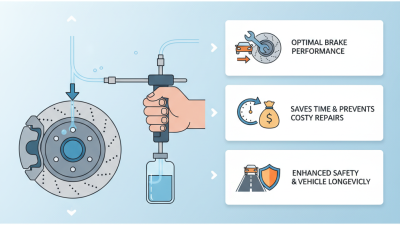
Efficient brake maintenance is crucial for vehicle safety. One essential tool for this task is the Brake Bleeder Pump. It helps remove air from the brake lines, ensuring optimal brake performance. Many car owners dread the thought of bleeding their brakes. However, having the right tools can make it easier.
Choosing a suitable brake bleeder pump is vital. Some pumps are easy to use, while others can be complicated. Factors to consider include ease of use, efficiency, and price. Unfortunately, not all pumps deliver the promised results. This creates frustration and sometimes can lead to dangerous situations.
In this guide, we explore the top five brake bleeder pumps available. We aim to provide a comprehensive overview of each option. With the right brake bleeder pump, you can enhance your vehicle's performance. Your comfort and safety depend on it.
Choosing the Right Brake Bleeder Pump for Your Needs
When choosing the right brake bleeder pump, consider your specific needs. Different pumps offer various features. For instance, some are manual, while others are powered.
Manual pumps are often more affordable. However, they may require more effort to use effectively. On the other hand, powered pumps can save you time and energy.
It’s essential to pay attention to the capacity and compatibility. Ensure the pump fits your vehicle type and brake system. Check if the pump comes with necessary adapters. This can simplify your bleeding process significantly.
Tips: Test the pump's functionality before starting. Make sure it maintains a consistent pressure. Monitor for any leaks or irregularities while in use. Don’t hesitate to read user reviews for further insights. Seeking advice from experienced mechanics can also guide you in your choice.
Understanding Different Types of Brake Bleeder Pumps
When it comes to brake maintenance, understanding the types of brake bleeder pumps is essential. These pumps are designed to remove air from brake lines. This air can cause a spongy brake feel. There are various types available, each with unique features and capabilities.
Manual bleeder pumps are simple and cost-effective. They require physical effort to operate, which may be tiring. However, many mechanics prefer them for their reliability. Vacuum pumps, on the other hand, create a vacuum to draw fluid and air out. They can be more efficient but often come with a higher price tag. Pressure bleeder pumps work by forcing brake fluid through the system, which ensures thorough bleeding. These can be more complicated to use and set up but may be ideal for a professional environment.
Understanding these options helps in choosing the right tool for specific needs. Some users may struggle with the learning curve associated with certain types. The effectiveness of a brake bleeder pump largely relies on correct usage. Any mistakes in the bleeding process can lead to poor brake performance. It's important to consider not just the ease of use, but the maintenance required for each type over time. This will ensure optimal performance and safety in your braking system.
The 5 Best Brake Bleeder Pumps You Need for Efficient Brake Maintenance
This chart represents the efficiency ratings for five different types of brake bleeder pumps based on their performance, ease of use, and maintenance speeds.
Step-by-Step Guide to Using a Brake Bleeder Pump
When using a brake bleeder pump, following a step-by-step guide can enhance your brake maintenance process. Ensuring that your brake system remains healthy is critical. According to a recent industry report, nearly 30% of brake failures stem from air in the brake lines. This often leads to reduced braking performance.
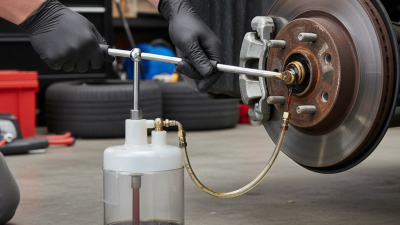
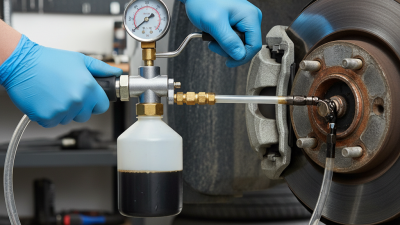
Start by gathering your tools. You will need a brake bleeder pump, a wrench for the bleeder valve, and brake fluid. Make sure to protect your vehicle's paint from any spilled fluid. Next, depress the brake pedal securely. It's crucial to ensure that the pump creates a solid vacuum to draw out air. A well-performed vacuum should expel several bubbles, indicating air removal.
After actively pumping, regularly check the brake fluid level. This ensures you do not run low during the process. Research shows that many DIY mechanics overlook this step, leading to potential brake fluid contamination. Each bleed cycle should be repeated until no bubbles appear in the fluid. It's essential to remain patient, as rushing this procedure can lead to inefficiencies in brake response.
Essential Features to Look for in Brake Bleeder Pumps
When it comes to brake maintenance, having a reliable brake bleeder pump is essential. You should consider several key features to make the best choice. Firstly, look for a pump that offers both efficiency and ease of use. A well-designed pump can save you time and effort during brake fluid changes.
Pressure capacity is another crucial aspect. A pump with sufficient pressure can help effectively remove air bubbles from the brake lines. This ensures optimal braking performance. Additionally, check for compatibility with various brake systems. A versatile pump can work with different vehicles, making it more valuable in the long run.
Tips: Regularly inspect your brake fluid levels. This helps maintain optimal braking power. Cleanliness is vital; ensure that your pump remains free from contaminants. Also, practice patience when bleeding brakes. Rushing can lead to mistakes. Remember, a meticulous approach pays off in the long run.
Maintenance Tips for Prolonging the Life of Your Brake Bleeder Pump
Maintaining your brake bleeder pump is essential for optimal performance. Regular inspections help identify wear and tear. Ensure that all components are clean and free of debris. This practice minimizes the risk of contamination in your brake system.
Always store the pump in a dry place. Moisture can lead to rust and damage over time. Consider applying a light oil to moving parts. This simple step can extend the life of your pump significantly. Avoid using harsh chemicals for cleaning, as they may cause more harm than good.
After each use, check for leaks. Minor issues can quickly escalate if left unattended. It’s also important to follow the manufacturer’s guidelines, even when they are not always detailed. Adhering to these basic principles will yield better results and keep your equipment functioning longer.

 +86-13516964051


 CONTACT NUMBER
 CONTACT NUMBER