Why Choose Zinc Casting for Your Manufacturing Needs?
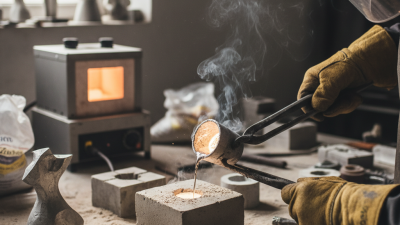
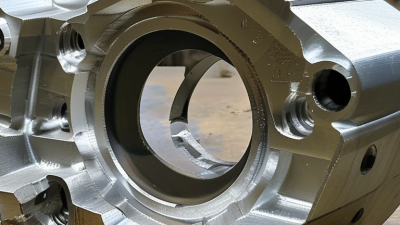
When considering manufacturing methods, Zinc Casting stands out for its versatility. This process allows for precise designs and detailed features, making it ideal for various applications. Zinc alloys are known for their excellent fluidity, which ensures that even the most intricate components are produced effectively. Manufacturers often choose Zinc Casting for its ability to create parts with a smooth surface finish, reducing the need for extensive post-processing.
Additionally, Zinc Casting is cost-effective. The process can be scaled up for large production runs without sacrificing quality. Many industries, including automotive and electronics, rely on zinc components. This indicates a proven trust in its capabilities. However, ensuring that all aspects are optimized requires a careful evaluation of the design and material selection.
Zinc Casting does have its limitations. It's not suitable for every project. For instance, some specialized parts may require different materials to achieve desired properties. Therefore, a thoughtful approach is essential when choosing this method. Ultimately, understanding both the strengths and potential drawbacks of Zinc Casting can lead to more informed manufacturing decisions.
Advantages of Zinc Casting in Manufacturing Processes
Zinc casting offers numerous advantages that are crucial for modern manufacturing processes. One of the standout features is its exceptional fluidity. According to a report by the Zinc Die Casting Association, this property allows zinc to fill complex molds effortlessly, resulting in intricate designs. Manufacturers can create parts with detailed features while minimizing material waste. This precision is essential in sectors such as automotive and electronics, where component reliability is mandatory.
Another significant advantage lies in zinc’s strength-to-weight ratio. Studies indicate that zinc castings are often 30% lighter than aluminum castings, yet they provide similar mechanical properties. This lightweight nature contributes to overall energy efficiency. Components made from zinc can help reduce fuel consumption in vehicles, leading to lower emissions. However, it’s important to note that while zinc is durable, it may not withstand extreme temperatures as well as other materials. Manufacturers need to assess their application requirements carefully.
The recyclability of zinc adds another layer of appeal. Research shows that 100% of zinc can be recycled without losing its properties. This sustainability aspect is increasingly important in today’s manufacturing landscape. Still, the recycling process requires energy and resources, which can offset some environmental benefits. Manufacturers should strive for a balance between utilizing zinc's advantages and addressing potential environmental impacts.
Comparison of Zinc Casting with Other Metal Casting Methods
Zinc casting stands out among various metal casting methods. Its unique properties make it an attractive choice for manufacturers. Compared to aluminum and magnesium casting, zinc offers a higher fluidity. This quality allows for intricate designs with sharp details. Zinc castings can achieve thinner walls, minimizing material waste.
The production process of zinc casting is also efficient. It typically involves lower melting temperatures than other metals. This leads to reduced energy consumption and faster cycle times. However, some may find the initial setup costs for zinc casting higher than alternatives. Understanding these dynamics helps manufacturers make informed decisions.
Durability is another advantage of zinc. It naturally resists corrosion, which is essential in many applications. Yet, it's important to note that zinc may not suit every project. Depending on the requirements, one must weigh zinc’s strengths and limitations carefully. Balancing these factors ensures optimal outcomes in manufacturing processes.
Applications of Zinc Casting Across Various Industries
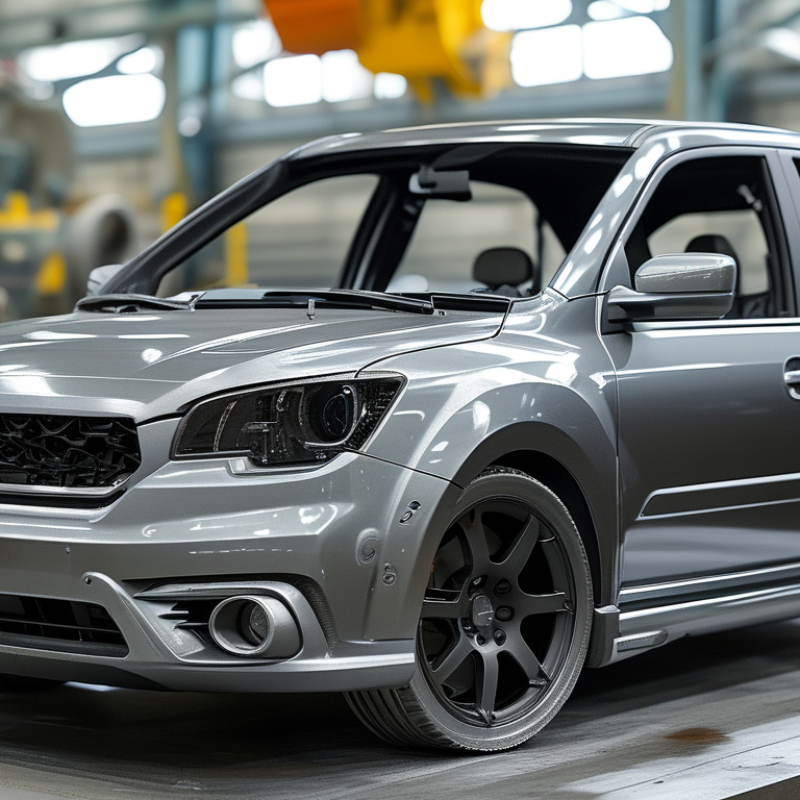
Zinc casting is gaining traction across multiple industries due to its unique properties. The automotive sector benefits significantly from zinc castings for making components like gear housings and brackets. These parts are lightweight yet strong, helping manufacturers improve fuel efficiency. They can be produced quickly, meeting the fast-paced demands of car production.
In the electronics industry, zinc casting is crucial for producing enclosures and housings. These protect sensitive components from damage. Zinc's corrosion resistance enhances the durability of electronic devices, which can be an oversight in material selection. However, the finishing process of zinc castings often requires precise techniques to prevent imperfections. Manufacturers must continuously refine these processes to ensure quality.
The consumer goods sector also utilizes zinc casting for decorative items and fittings. Although aesthetically appealing, the balance between design and functionality can be challenging. Often, a beautiful finish can mask a weaker structural integrity. Therefore, designers must remain vigilant about the trade-offs when using zinc castings. This ongoing need for reflection and adjustment is essential for progress in various applications.
Key Considerations in Selecting Zinc Casting for Projects
Choosing zinc casting for manufacturing projects requires careful consideration. Zinc is a popular material, known for its excellent castability and low melting point. It offers strength and durability, making it ideal for various applications. However, not all projects benefit equally from zinc casting.
Understanding the specific requirements of your project is crucial. Zinc casting works well for intricate designs. It ensures that even the finest details are replicated accurately. However, the environmental conditions could affect the final product. High temperatures or humidity can lead to increased risks of defects.
The cost-effectiveness of zinc casting is noteworthy. It often results in lower production costs compared to other materials. Yet, the initial tooling costs can sometimes be high. This factor requires careful budgeting and planning. Ultimately, weighing the pros and cons will lead to better decisions in your manufacturing process.
Why Choose Zinc Casting for Your Manufacturing Needs? - Key Considerations in Selecting Zinc Casting for Projects
| Consideration |
Description |
Advantages |
Applications |
| Material Properties |
Zinc offers good corrosion resistance and strength. |
Durability and longevity of products. |
Automotive, electronics, and hardware. |
| Cost-Effectiveness |
Lower melting point leads to reduced energy costs. |
Lower production costs compared to other metals. |
Consumer goods, fittings, and fixtures. |
| Precision |
High dimensional accuracy can be achieved. |
Reduces need for secondary machining. |
Complex and intricate designs in various sectors. |
| Surface Finish |
Zinc casting produces smooth finishes. |
Aesthetic appeal and reduced finishing work. |
Consumer electronics and decorative items. |
| Environmental Impact |
Recyclable and energy-efficient processes. |
Sustainable manufacturing practices. |
Green technology applications. |
Environmental and Economic Benefits of Zinc Casting Technology
Zinc casting offers a compelling combination of environmental and economic benefits. The use of zinc in industrial applications has increased significantly due to its unique properties. Zinc is abundant, and recycling it is easy. This creates a closed-loop for materials, considerably reducing waste. Unlike some other metals, zinc can be melted down multiple times without losing its integrity or properties.
In terms of economic advantages, zinc casting is cost-effective. It requires less energy compared to aluminum or steel casting methods. This leads to lower production costs, which is advantageous for manufacturers. The lightweight nature of zinc also reduces shipping costs, making it an appealing option. However, there are challenges. Some manufacturers may overlook the benefits of zinc due to a lack of information or experience.
Integrating zinc casting into your production process can be an efficient choice. It contributes to sustainability and offers long-term savings. Still, companies should evaluate their specific needs. Conducting a thorough analysis can refine these advantages and ensure that choices align with manufacturing goals. Exploring alternative materials may enhance solutions while addressing potential limitations in the market.

 +86-13516964051


 CONTACT NUMBER
 CONTACT NUMBER