How to Choose the Right Metal Casting Machine for Your Needs?
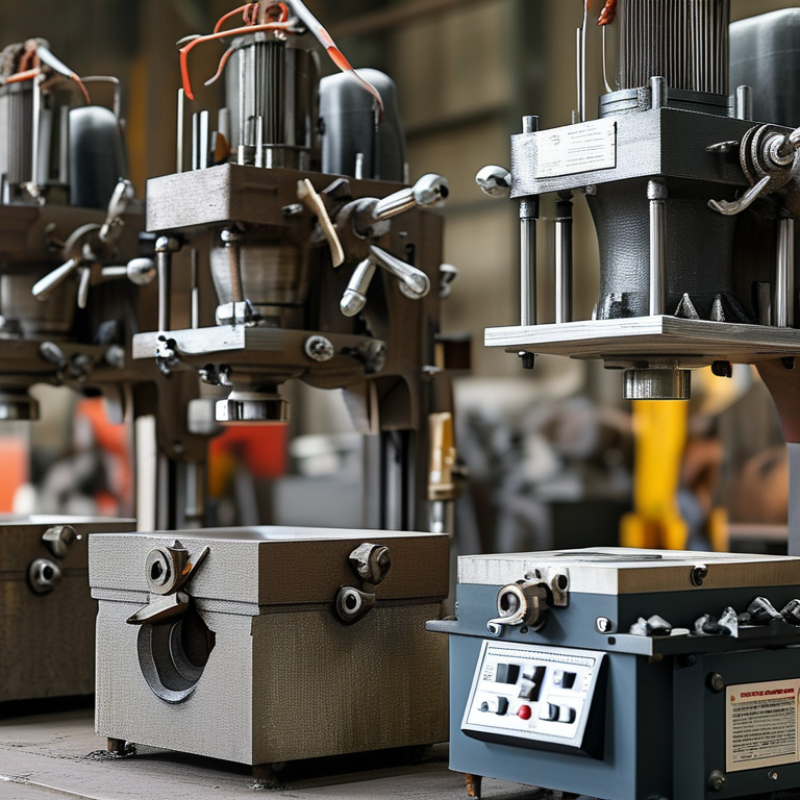
Choosing the right Metal Casting Machine can be a daunting task. There are various types and features to consider. Finding the suitable machine depends on your specific needs and production goals.
When selecting a Metal Casting Machine, think about your material requirements. Each machine caters to different metals and alloys. Assess the volume of production you expect. High volume needs often mean investing in advanced models.
Always consider machine reliability. A dependable Metal Casting Machine minimizes downtime and boosts efficiency. Research different brands and read user reviews. Testing a machine before purchase can provide valuable insights. Balancing cost and quality is essential but challenging. Your choice significantly impacts your overall production process.
Understanding Different Types of Metal Casting Machines Available
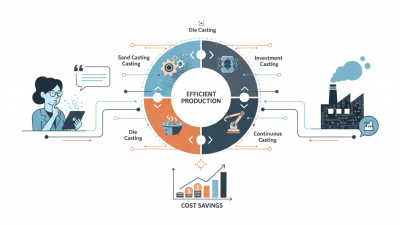
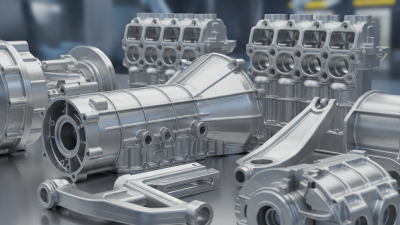
When considering metal casting machines, it's crucial to understand the various types available. Each machine has its specific functions and processes. The main categories include sand casting, investment casting, and die casting machines.
Sand casting machines are versatile and commonly used for creating intricate shapes. They typically utilize a mold made of sand, making the process more flexible for different designs.
Investment casting machines are known for high precision. They use a wax pattern that gets melted away, leaving a perfect mold. This method is ideal for small, detailed parts often used in aerospace and medical equipment.
Die casting machines, on the other hand, are great for large production runs. They inject molten metal into hardened steel molds, ensuring uniformity. However, these machines require significant maintenance.
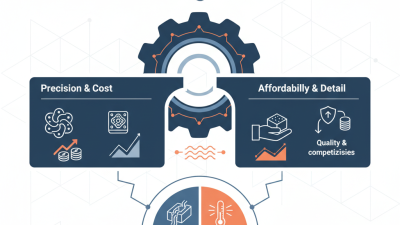
Choosing the right machine depends on your specific needs. Think carefully about the
production volume,
material types, and desired
detail level. Some machines can be costly, so budgeting is essential. It's often a good idea to consult with
industry experts or gather user feedback. This helps you avoid common pitfalls in purchasing and ensures you select the machine that best fits your operational requirements.
Evaluating Your Production Requirements and Volume Needs
When evaluating your production requirements for metal casting, start by assessing the volume needs.
Determine how many parts you need to produce daily, weekly, or monthly. For instance, manufacturers looking at a production scale of
500 to 1,000 parts weekly often benefit from mid-sized machines, while those needing over
2,500 parts typically require high-capacity systems. According to a report by the
American Foundry Society, 56% of manufacturers prioritize consistent production rates
over flexibility in their casting processes.
Next, consider the type of materials you will be casting. Different machines excel at different materials. If working with aluminum,
look for machines that can handle low-density workflows. Machines that process cast iron often carry heavier equipment and are designed for
higher melting points. Precision is critical: 70% of metal casting defects stem from equipment inadequacies, impacting both production quality and costs.
Lastly, factor in the potential for growth. Start with machines that accommodate increased volume, if the market demands it. Many companies overlook
future scalability, which can lead to inefficiencies. Tread carefully here; retrofitting can be more costly than purchasing a versatile machine upfront.
By understanding production needs and adapting accordingly, you can make informed decisions that align with industry standards and long-term goals.
Assessing Material Compatibility with Casting Machines
Choosing the right metal casting machine involves understanding material compatibility. Different materials require specific machines for optimal results. Casting machines can work with aluminum, bronze, or steel, but each metal imposes unique demands. For example, a high-temperature resistant machine is essential for steel casting, while aluminum requires machines designed for lower melting points.
Tips: Always check the machine specifications. A mismatch can lead to poor casting quality. Consider the melting point and flow characteristics of the metal you plan to use. Also, think about your production scale. A machine suitable for small runs may not handle mass production efficiently.
It’s crucial to analyze the casted metal's properties. Ductility and strength play significant roles in selecting the right machine. There's a risk in overlooking these qualities. A choice based solely on cost can lead to inefficiencies. Even slight differences in metal composition can affect the casting process. Understanding these nuances is key to successful operations.
How to Choose the Right Metal Casting Machine for Your Needs? - Assessing Material Compatibility with Casting Machines
| Metal Type |
Casting Method |
Machine Compatibility |
Production Volume |
Cost Implication |
| Aluminum |
Die Casting |
High |
High Volume |
Moderate |
| Cast Iron |
Sand Casting |
Medium |
Medium Volume |
Low |
| Bronze |
Investment Casting |
High |
Low Volume |
High |
| Steel |
Lost Foam Casting |
Medium |
Medium to High Volume |
Moderate to High |
| Zinc |
Die Casting |
High |
High Volume |
Moderate |
Considering Budget and Maintenance Costs of Casting Equipment
Choosing the right metal casting machine goes beyond just selecting a model based on features. One major factor to consider is the budget and maintenance costs associated with the equipment. According to industry reports, maintenance can account for up to 15% of operational costs for casting facilities. Choosing machines with lower maintenance needs can lead to significant savings over time.
When evaluating your budget, remember to factor in ongoing costs. High initial purchase prices can quickly add up when combined with maintenance, parts replacement, and operational expenses. Look for machines that offer comprehensive warranty packages. This can help reduce unexpected outlay and ensure reliability.
Tips: Consider machines designed for easy access to components. This can decrease downtime during repairs and prolong machine life. Preventative maintenance, though it may seem like an added cost, can prevent more expensive repairs down the line. Regular service can also improve the machine’s operational efficiency.
Finally, research the average lifespan of machines in your category. Many casting machines can last over a decade with proper care. However, poor maintenance can lead to breakdowns and additional costs. Balancing upfront costs with long-term maintenance will lead you to a more sustainable choice.
Researching Manufacturers and Customer Support Options
When selecting a metal casting machine, understanding manufacturers and customer support is crucial. Research plays a significant role in ensuring your investment is well-grounded. A report from the Foundry Association indicates that more than 70% of foundries prioritize reliable customer support when making purchasing decisions. This data suggests that a machine's performance can significantly hinge on the level of support provided.
Engaging with manufacturers should go beyond initial sales pitches. It is vital to assess their responsiveness to inquiries and availability of technical assistance. Some studies show that 50% of users experience operational challenges within the first year of use. A trustworthy manufacturer will offer comprehensive training resources and prompt service to mitigate these issues.
Moreover, reviews from industry peers can be enlightening. Many foundries report that the quality of customer support often dictates machine longevity and overall satisfaction. Consider reaching out to existing customers of potential manufacturers. They can provide firsthand insights into the reliability and support they received. Investing in a machine is only one part of your strategy; ensuring solid support can make or break your operational success.

 +86-13516964051


 CONTACT NUMBER
 CONTACT NUMBER