How to Source Quality Aluminum Cast Parts for Your Business?
Sourcing quality Aluminum Cast Parts is crucial for any manufacturing business. These components significantly affect product performance and lifespan. A reliable supplier can make a big difference in your operations.
Choosing the right supplier requires careful consideration. You need to evaluate their expertise in Aluminum Cast Parts. Look for companies that have years of industry experience. They should also provide certifications to ensure quality standards. In this journey, it's important to reflect on your specific needs. What characteristics do you prioritize? Cost, durability, or design precision?
Many businesses overlook the importance of supplier communication. Establishing a good relationship can help you address issues promptly. Explore samples before placing bulk orders. This step can reveal the supplier's actual capabilities. Quality control is not always guaranteed and can vary by manufacturer. By conducting thorough research and due diligence, you can mitigate risks and find the right fit.
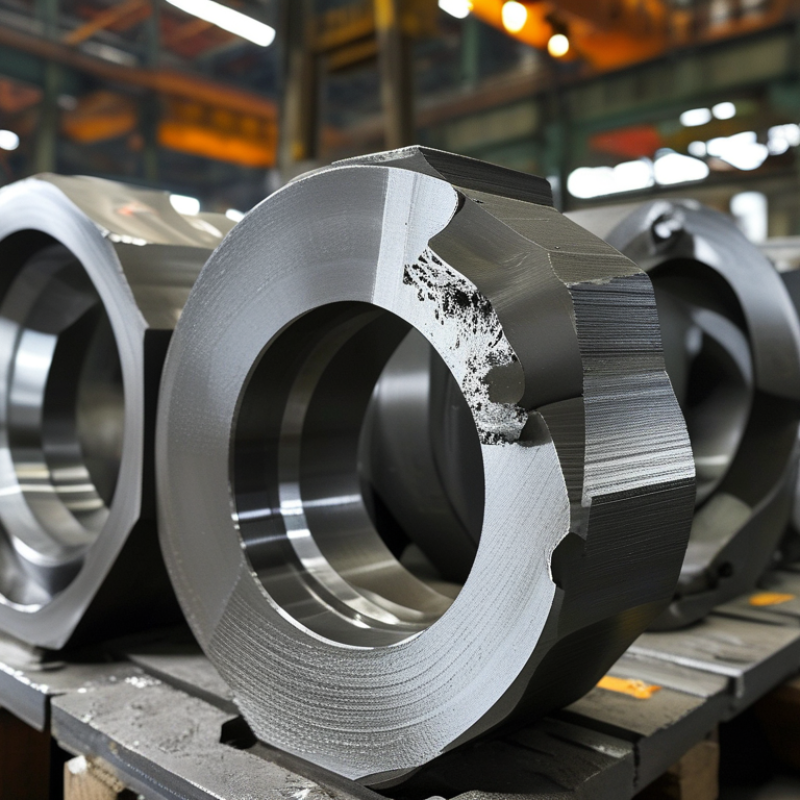
Understanding the Importance of Quality in Aluminum Cast Parts Sourcing
Quality sourcing of aluminum cast parts is crucial for manufacturing success. According to a report by the International Aluminum Institute, high-quality aluminum components can improve product durability by up to 30%. However, this often depends on careful supplier selection and rigorous quality control processes. Many businesses underestimate how inconsistencies in part quality can lead to production delays and increased costs.
Investing in certified suppliers is essential. A survey by the American Foundry Society reveals that companies using ISO-certified foundries reported a 15% reduction in defects. These statistics highlight the importance of choosing suppliers with proven track records. It’s also vital to maintain open communication with these partners. Establishing clear expectations can prevent misunderstandings that lead to quality issues.
It’s worth noting, though, that not all suppliers will meet expectations. Some may fall short of delivering consistent results. Regular audits of production processes can identify potential pitfalls. This proactive approach can help mitigate risks associated with poor-quality supplies. Quality sourcing is not just an option; it’s a necessity for sustainable business growth.
How to Source Quality Aluminum Cast Parts for Your Business?
| Supplier Location |
Surface Finish |
Alloy Type |
Tolerances (mm) |
Production Capacity (units/month) |
Lead Time (weeks) |
| China |
Anodized |
6061 |
±0.5 |
10,000 |
4 |
| USA |
Powder Coated |
A356 |
±0.3 |
8,000 |
6 |
| Germany |
Natural |
A380 |
±0.2 |
5,000 |
5 |
| India |
Machined |
ADC12 |
±0.4 |
7,500 |
7 |
| Italy |
Blasted |
7075 |
±0.5 |
6,000 |
4 |
Key Factors to Consider When Selecting Aluminum Casting Suppliers
When selecting aluminum casting suppliers, understanding key factors is vital. Quality assurance is paramount. According to a recent industry report, 30% of companies experience product failures due to poor casting quality. Consistency in output is crucial. Look for suppliers who offer comprehensive quality control processes, including third-party inspections.
Cost-effectiveness shouldn't come at the expense of quality. The average cost of aluminum casting can vary widely, from $2 to $20 per pound. Ensure that your supplier provides a transparent breakdown of costs. Some suppliers may offer lower prices but compromise on materials or processes, resulting in increased long-term expenses.
Tip: Always request samples before making large commitments. This helps evaluate the supplier's capabilities. Engage in open communication regarding timelines and expectations. Building a solid relationship encourages accountability and improves reliability. Remember, choosing the right supplier is not just about saving costs; it's about building a partnership that enhances your business's reputation.
Evaluating Supplier Capabilities: Certifications and Quality Standards
When sourcing aluminum cast parts, evaluating supplier capabilities is crucial. Certifications play a key role in this process. They indicate that a supplier meets industry standards. Look for certifications such as ISO 9001, which ensures quality management. Suppliers with this certification demonstrate an ongoing commitment to improving processes and meeting customer expectations.
Understanding quality standards is equally important. Different industries have specific requirements. For instance, automotive and aerospace sectors require strict adherence to quality control measures. Assess the supplier's adherence to these standards. Do they conduct regular audits? What is their defect rate? Gathering this information helps build a reliable partnership.
In addition, don’t overlook the importance of communication. A supplier who is unresponsive or vague could be a red flag. Transparency in operations is essential. You want to work with a partner who openly shares information about materials and processes. If a supplier hesitates to provide details, consider it a warning. A thoughtful approach to evaluating supplier capabilities can lead to more informed decisions. Seeking quality is a journey, not a destination.
Industry Trends: The Rise of Sustainable Practices in Aluminum Casting
The aluminum casting industry is evolving. Sustainability is now a key focus. Companies are prioritizing eco-friendly processes. This shift reflects growing consumer awareness about environmental issues. Many manufacturers are integrating recycled materials in their productions. This reduces waste and energy consumption. The result is a greener approach without sacrificing quality.
Sourcing aluminum cast parts requires careful consideration. Evaluating a supplier's sustainability practices is essential. Look for those who minimize waste and utilize renewable energy sources. Transparency in operations builds trust. Additionally, check for certifications that indicate commitment to sustainability. However, it’s crucial to balance cost and environmental practices. Cheaper options may compromise on quality or ethical standards. This creates a dilemma for many businesses.
While there’s a push for innovation, challenges remain. Not all suppliers may follow sustainable practices. Evaluating these claims can be complex. Companies should continuously assess their own sourcing strategies. This ensures they are aligned with both quality and sustainability objectives. Reflecting on these choices is vital in this changing landscape. It’s not just about materials; it’s about preserving the planet for future generations.
Cost Analysis: Balancing Quality and Affordability in Casting Parts
When sourcing aluminum cast parts, cost analysis is crucial. Balancing quality with affordability requires a strategic approach. Businesses must evaluate the quality standards necessary for their specific applications. This often involves understanding the alloy types and casting techniques that meet their performance requirements. While lower-cost options may appear appealing, they can lead to compromised quality that impacts final products.
It's essential to engage with suppliers who exhibit transparency in their pricing structures. Evaluate labor costs, manufacturing processes, and the timeline for delivery. A supplier might offer cheaper parts, but their reliability could be questionable. Reflecting on prior experiences can guide decision-making. Continuous assessment of supplier performance helps in maintaining a sustainable relationship.
Testing small batches before committing to larger orders can also be beneficial. Accidental flaws in casting can occur, so it's wise to expect some imperfections. Gathering feedback from engineering teams on functional aspects can highlight areas for improvement. This iterative process fosters a closer alignment between cost and quality, ultimately supporting better business outcomes.

 +86-13516964051


 CONTACT NUMBER
 CONTACT NUMBER