Top 5 Tips for Choosing an Aluminum Casting Machine?
Choosing the right Aluminum Casting Machine is crucial for successful manufacturing. With various options available, making an informed decision can be challenging. Each machine offers unique features and benefits tailored to different production needs. Therefore, understanding these elements is vital.
Manufacturers often overlook key factors. They may focus solely on price, neglecting quality or efficiency. A reliable Aluminum Casting Machine can enhance productivity and reduce costs in the long run. Investing in the wrong machine can lead to production delays and financial losses.
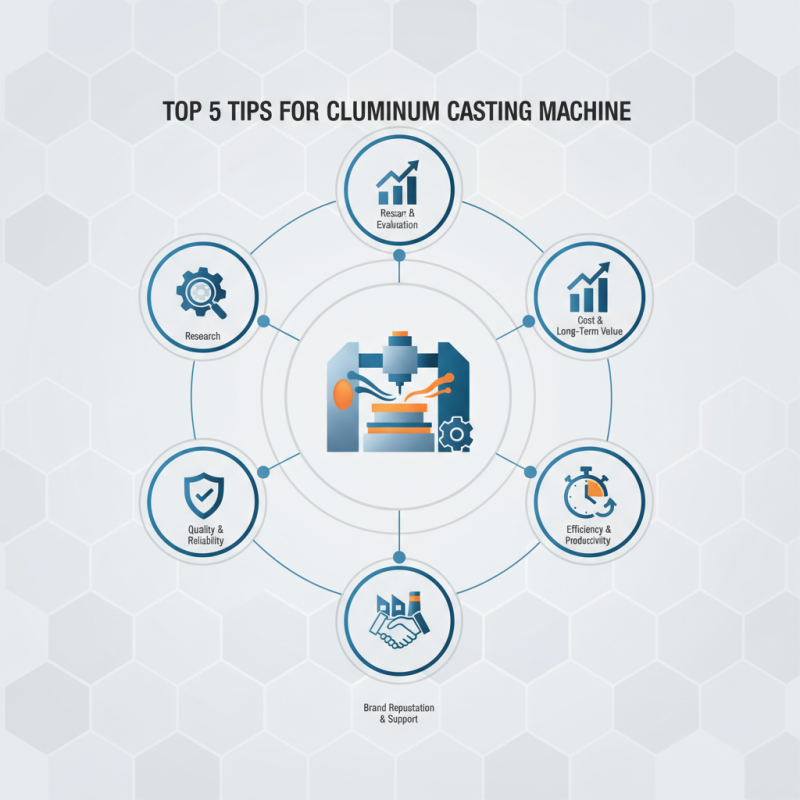
Researching and evaluating different machines is essential. Take the time to assess your specific requirements. Look for reputable brands that offer proven technology and support. This ensures you choose an Aluminum Casting Machine that meets your demands effectively.
Choosing the Right Aluminum Casting Machine Based on Production Needs
When selecting an aluminum casting machine, it's essential to align your choice with your production needs. Different projects demand various capabilities and functions. For instance, consider the casting volumes and types of aluminum alloys you will use. A machine that can handle a wide range of sizes may benefit a workshop with multiple projects. It’s critical to evaluate these factors early to avoid future challenges.
Another consideration is the machine's production speed. A faster machine might increase output, but it could sacrifice quality. Balancing speed and quality is key. Think about your team's skills too. An advanced machine requires trained operators, which might add costs. Choosing a user-friendly machine can mitigate this challenge, especially for smaller teams.
Lastly, ensure the machine offers reliable customer support and service. Machines can face issues, and prompt support is vital. Research service reliability from other users to gauge long-term partnership stability. This step is often overlooked but should be a priority in your decision-making process.
Evaluating Casting Machine Features: Automation, Size, and Capacity
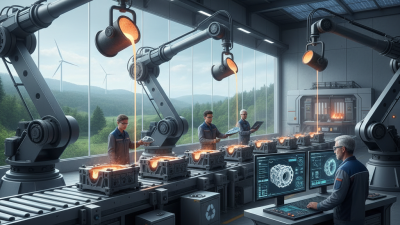
When selecting an aluminum casting machine, evaluating features like automation, size, and capacity is crucial. Automation can significantly enhance production efficiency. Machines with advanced automation reduce labor costs and minimize human error. However, the complexity of automated systems may increase maintenance needs. This balance between efficiency and upkeep is essential.
Size is another important factor. The machine must fit your facility's layout while accommodating production requirements. A compact machine might save space but may limit your output. Consider future growth when choosing a size. Will the machine still meet your needs in five years?
Capacity directly impacts your production line. It's vital to choose a machine that aligns with your output goals. Underestimating required capacity can lead to bottlenecks. Overestimating can result in unnecessary costs. Analyze your production schedules and demand forecasts. Ensure that the chosen machine can adapt to fluctuating needs. It's a fine line between capability and practicality.
Top 5 Tips for Choosing an Aluminum Casting Machine
| Feature |
Importance Level |
Recommended Value |
Description |
| Automation |
High |
Fully Automated |
Minimizes labor costs and improves production consistency. |
| Size |
Medium |
2000mm x 1200mm |
Adequate for various production demands while maintaining space efficiency. |
| Capacity |
High |
1000 kg/hour |
Supports large-scale production without significant downtime. |
| Energy Efficiency |
Medium |
Less than 60 kWh/ton |
Reduces operational costs and environmental footprint. |
| Maintenance |
High |
Easy Access for Routine Checks |
Simplifies upkeep and minimizes repair time. |
Understanding the Role of Machine Material Quality in Durability
When choosing an aluminum casting machine, machine material quality is critical for durability. According to industry research, aluminum machines made from high-grade alloys outperform those made from lower quality materials in terms of longevity. Machines with a higher tensile strength resist deformation and wear, helping to reduce long-term operational costs. The right choice can significantly impact productivity and less downtime for maintenance.
Tip: Inspect the alloy composition of the machine. Look for those featuring several elements like magnesium or silicon, enhancing mechanical properties. Poor material choices can lead to quick degradation under high stress.
Furthermore, consider the thermal conductivity of the machine’s material. Efficient thermal management ensures consistent casting quality and helps prevent defects. Updated studies show that machines designed with advanced coatings improve lifespan, as they resist oxidation and corrosion effectively.
Tip: Research the manufacturer’s reputation. Reliable brands usually provide transparent information on material standards and manufacturing processes. Neglecting these details can lead to regrettable investments that underestimate the machine’s operational life.
Durability of Aluminum Casting Machines Based on Material Quality
Cost Analysis: Initial Investment vs. Long-Term Operational Efficiency
When considering an aluminum casting machine, the cost analysis is crucial. The initial investment may seem daunting, often ranging from $50,000 to $300,000. This figure depends on the machine’s capabilities and size. While upfront costs can be high, the long-term benefits can offset these expenses significantly.
For instance, research shows that efficient aluminum casting machines can enhance production rates by up to 30%. With higher output, companies experience lower labor costs and reduced operational downtime. Moreover, advanced machines may utilize energy-saving technologies, leading to a reduction in energy consumption by as much as 20%.
However, it’s vital to analyze not just the purchase price but also the maintenance costs. Regular upkeep is necessary to ensure optimal functioning. Neglecting this can lead to higher repair expenses over time. Manufacturing leaders recommend comprehensive cost assessments over a machine's projected lifespan, typically 10-15 years. Balancing initial costs and projected savings is key to making an informed investment in aluminum casting technology.
Assessing Manufacturer Reputation and Customer Support in the Industry
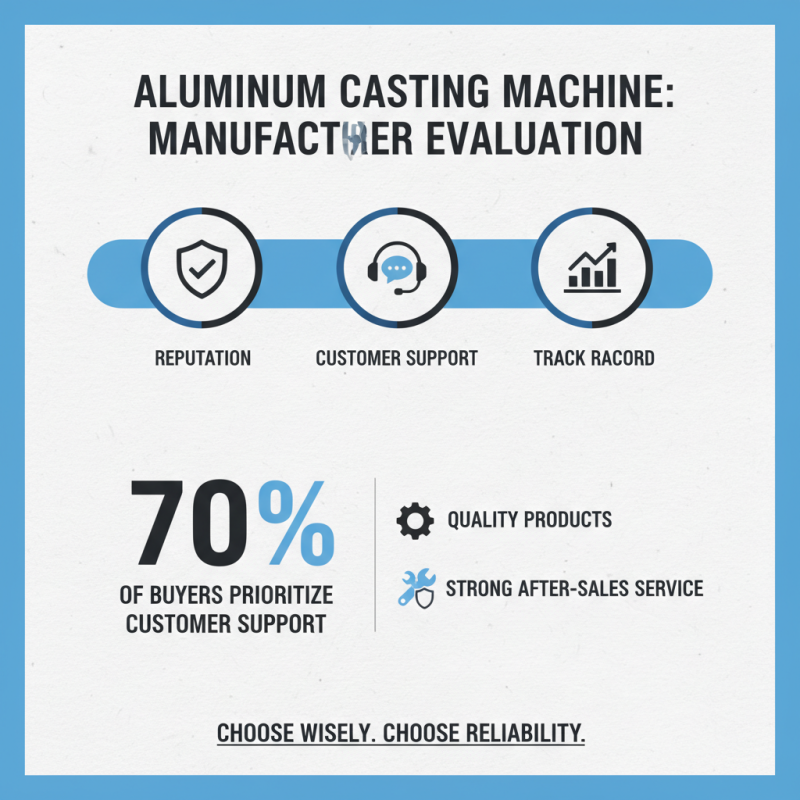
When selecting an aluminum casting machine, evaluating the manufacturer’s reputation is crucial. Industry reports indicate that nearly 70% of buyers prioritize customer support when making purchase decisions. A reliable manufacturer often has a proven track record in the market. They should demonstrate not only quality products but also strong after-sales service.
Moreover, customer feedback plays a significant role. Reviews and testimonials reveal valuable insights. You might find that some manufacturers excel in innovation, while others may struggle with consistent performance. Engaging with current customers or industry peers can provide clarity on potential issues.
When considering choices, look for manufacturers that offer comprehensive warranties. Additionally, their response time to inquiries can be telling. A manufacturer that is transparent about their processes is typically more trustworthy. Explore case studies that showcase their successes. The best decisions often come from informed sources.
In the end, with the right information, you’ll feel empowered to make the best choice for your production needs.

 +86-13516964051


 CONTACT NUMBER
 CONTACT NUMBER