+86-13516964051


Sand Aluminium is not one alloy; it is a family of aluminium grades poured into sand moulds. In 2026, “top” should mean suitable for a part’s strength, corrosion, machining, and cost requirements—not simply the most popular name. The USGS Mineral Commodity Summaries 2025 estimated world primary aluminium production at about 72 million metric tons in 2024. The International Aluminium Institute’s production statistics also document the industry’s large global output. Those figures describe primary metal, not sand-casting alloy sales. That distinction matters: public reports do not provide a definitive global ranking of sand-cast grades for 2026.
Common candidates include A356 and A357 for strength and corrosion resistance, 319 for many automotive and machinery components, and 535 where corrosion resistance is important. Selection still depends on casting geometry and heat treatment. A thin rib may fill poorly, while a thick hub can cool unevenly. Metallurgist John Campbell’s casting principle is often expressed as: “The first principle of casting is that we should always avoid turbulence.” His work highlights why mould design and controlled metal flow matter alongside alloy choice. A grade name alone cannot guarantee a sound casting.
This guide compares leading Sand Aluminium types by practical use, properties, and trade-offs. Treat rankings as application-based, not universal. The evidence has limits. Check supplier datasheets and applicable specifications before making a final material decision.
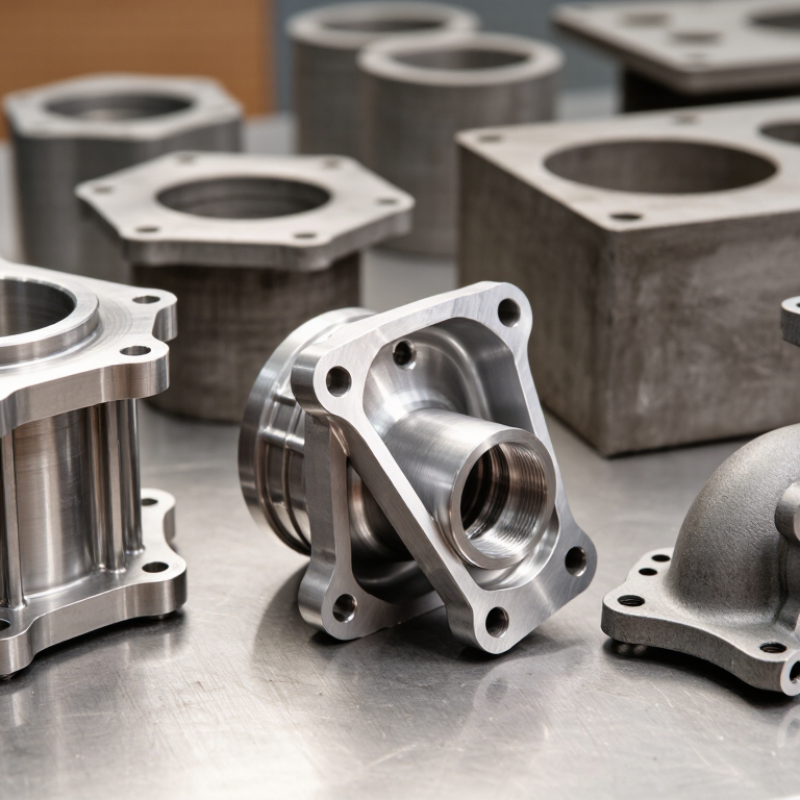
Sand-cast aluminum alloys are classified mainly by chemical composition, then by temper and intended use. This system helps explain differences in mold filling, strength, corrosion resistance, and heat-treatment response. Silicon-rich alloys flow well into detailed molds. That matters. Common families include aluminum-silicon, aluminum-silicon-magnesium, aluminum-silicon-copper, and aluminum-magnesium alloys.
A356 is a familiar aluminum-silicon-magnesium alloy, valued for its balance of castability and strength after suitable heat treatment. Alloy 319 combines silicon and copper, making it useful where strength and elevated-temperature performance matter. Its corrosion resistance may require closer attention. Aluminum-magnesium alloys, such as 535, can offer good corrosion resistance, but their properties and processing needs differ.
Designations and limits can vary by standard, so check the applicable specification and foundry data sheet before comparing grades. Names alone are not enough.
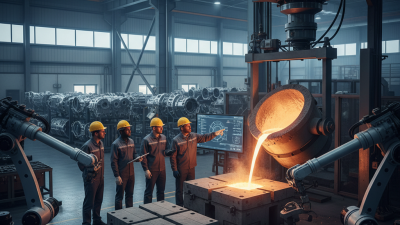
The Leading Aluminum Alloy Types for Sand Casting in 2026
For sand casting in 2026, A356 remains a practical choice for many structural parts. Its aluminum-silicon-magnesium composition offers good castability and can respond to heat treatment. It suits housings, brackets, and components that need a balance of strength and weight. A319 is another common option. Its copper content can support strength at higher operating temperatures, though corrosion protection may need extra attention.
A413 contains more silicon, helping molten metal flow into thin sections and detailed mold features. It is useful when filling the mold reliably matters more than maximizing strength. Alloy 535, an aluminum-magnesium type, offers strong corrosion resistance and a clean surface finish. Yet it may not fit every production process. The best choice depends on part geometry, service conditions, and foundry capability—not alloy names alone. Small details matter.
Tips: Share the part drawing, expected loads, and operating environment with the foundry. Ask which alloy standard and temper are specified, and confirm test requirements before production. A casting may look sound but still need inspection for porosity or dimensional variation. I would not assume one alloy works for every job; that shortcut can be costly.
In 2026, sand-cast aluminum choices still depend on the balance between strength, mold filling, and exposure conditions. A356 and 356 are widely used because they fill complex molds reliably and respond well to heat treatment. In practice, a sound heat-treated casting can offer useful strength without excessive weight. Thin ribs and sharp corners still need careful gating and design.
For higher strength, 206 can be considered, but it is less forgiving during casting and generally needs more attention to hot cracking and corrosion protection. Alloy 319 offers good machinability and useful strength, especially in thicker sections. Its copper content, however, usually makes it less corrosion resistant than 356. Salt spray changes the calculation. A protective finish may be needed.
Alloy 535, an aluminum-magnesium option, resists corrosion well and can suit marine or damp environments. Its casting behavior may be more demanding, particularly in thin, intricate shapes. There is no clean winner. A practical comparison should use the actual wall thickness, heat-treatment plan, and service environment—not just a strength figure on a data sheet. One judgment call remains: a simple, well-fed casting may outperform a nominally stronger alloy when the design is difficult to fill.
A356 and A357 are common choices when a sand casting needs strength, corrosion resistance, and heat treatment. They suit suspension arms, pump housings, and some aerospace components. A356 can fill complex molds well, but the final performance depends on heat treatment and casting quality. A small pore in a heavily loaded part matters.
The 319 family contains more silicon and copper, helping it flow into detailed molds. It is often used for engine blocks, transmission cases, and machinery housings. Copper supports strength at higher temperatures, though it can reduce corrosion resistance compared with A356. Not interchangeable. Match the alloy to the environment, load, and finishing process.
For saltwater exposure, 535 aluminum alloy offers strong corrosion resistance. Sand-cast pump bodies and marine fittings are typical applications. The International Aluminium Institute reports that about 75% of all aluminum ever produced remains in use; that broad figure does not describe sand-cast parts specifically. The USGS Mineral Commodity Summaries 2025 estimates 2024 global primary aluminum production at roughly 72 million metric tons. These figures show the material’s scale, not a reason to choose one alloy blindly. Fit matters. Check the design’s mechanical requirements and service conditions with a qualified foundry.
Choosing a sand-cast aluminium alloy starts with the part’s job, not a popularity list. A356 is often considered when strength, corrosion resistance, and heat treatment matter. Alloy 319 can suit parts needing good castability and machinability. For marine or damp environments, 535 may be worth comparing because of its corrosion resistance. These are starting points, not automatic answers. Actual performance depends on casting quality, design, and heat treatment.
Check the expected load, operating temperature, wall thickness, and finish requirements. A thin bracket with drilled holes may need different properties than a thick housing exposed to moisture. Ask the foundry about achievable tolerances and local section thickness; alloy data alone cannot predict every result. I would not select by alloy name alone. That shortcut can mislead, and I have seen simple project assumptions change after machining trials.
Tips: Share a drawing, service conditions, and machining needs before requesting a quote. Compare test data for the specific casting, not just a generic alloy sheet. Leave room for a prototype; real parts can reveal awkward details.