Top 10 Vacuum Booster Manufacturers for Global Buyers?
Choosing the right Vacuum Booster manufacturer can shape a system’s speed, stability, and operating cost. For global buyers, the decision involves more than comparing catalog prices. Pumping capacity, ultimate pressure, inlet size, noise levels, seal materials, and service support all deserve careful review. A unit that performs well in a clean laboratory may struggle beside oil mist, dust, or frequent production cycles.
This guide introduces ten Vacuum Booster manufacturers with practical buyers in mind. It considers product experience, engineering depth, manufacturing consistency, documentation, and international support. Real evaluation should include technical datasheets, performance curves, warranty terms, spare-parts availability, and response times from local service teams. Ask for evidence. Do not rely on polished claims alone.
Application fit remains critical. Semiconductor processing, food packaging, freeze drying, chemical handling, and vacuum metallurgy can require very different configurations. Some manufacturers offer complete pumping systems, while others focus on booster stages for integration with backing pumps. That difference affects commissioning and long-term maintenance.
No single ranking suits every factory. That limitation matters. A lower purchase price may hide higher energy use or difficult repairs. A famous brand may still lack suitable regional support. Buyers should compare verified specifications against actual working conditions, including gas composition, pressure range, cycle frequency, ambient temperature, and installation space. Small details can change the outcome. This overview is a starting point, not a substitute for technical validation.
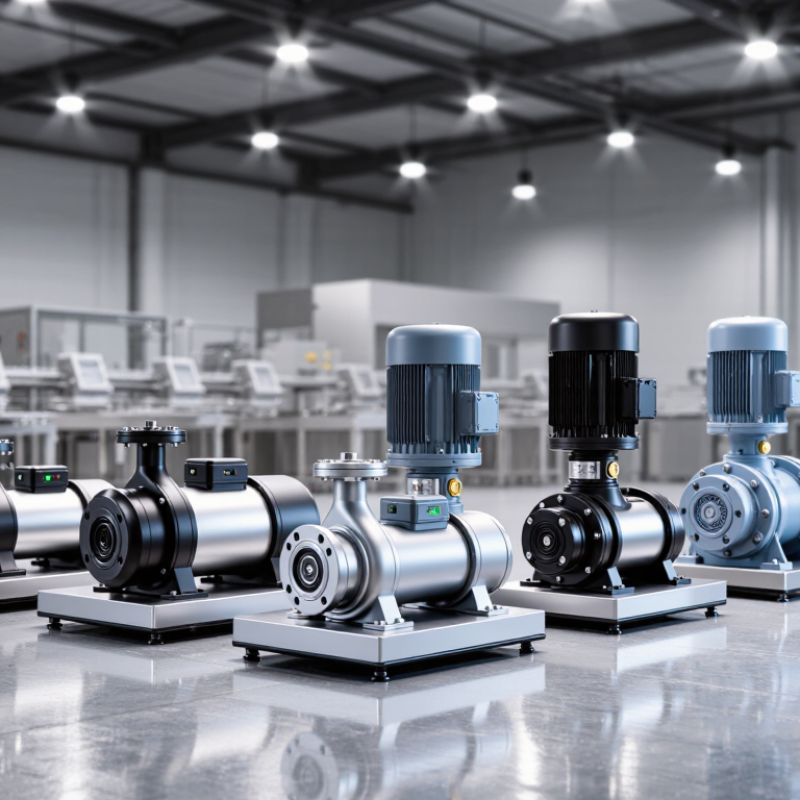
What Is a Vacuum Booster and How Does It Work?
A vacuum booster helps a vacuum system remove gas faster and reach lower pressure. In industrial equipment, it usually works beside a backing pump. The booster uses two carefully synchronized lobes, or rotors, turning inside a close-fitting housing. As the rotors spin, they carry gas from the inlet toward the outlet. This increases pumping speed, especially when the chamber is still under moderate vacuum. The booster does not normally work alone. Without a suitable backing pump, pressure can rise quickly and cause overheating.
From practical equipment checks, noise often reveals trouble before pressure readings do. A sharp whine may indicate rotor contact, bearing wear, or poor alignment. Oil condition, seal quality, cooling, and controller settings also affect reliability. Buyers should check ultimate pressure, pumping speed, inlet size, motor compatibility, and service requirements. Do not compare speed figures without checking the same measurement conditions. That mistake is common.
Tips
Ask for performance curves, operating limits, material details, and maintenance intervals. Confirm whether the unit handles moisture, dust, or corrosive process gases. A compact booster may look efficient, but restricted cooling space can reduce its real output. Installation quality matters. Even a strong pump can perform poorly with leaking pipes, undersized valves, or unstable power. I would also request test records from the supplier. They may not show every field condition, but they provide a useful reliability reference.
Key Criteria for Evaluating Vacuum Booster Manufacturers
Choosing among the top 10 vacuum booster manufacturers requires more than comparing catalog prices. Pumping speed, ultimate pressure, compression ratio, and inlet temperature must match the process. In factory audits, I check performance curves at the actual gas load, not only at rated conditions. A booster showing 1,000 m³/h on paper may perform differently with moisture, dust, or fluctuating pressure.
According to Grand View Research, the global vacuum pumps market was valued at about USD 6.4 billion in 2023, with continued growth expected through 2030. This expansion increases supplier choice, but also creates specification confusion. Buyers should request test methods aligned with ISO 21360 and verify whether quoted flow means theoretical displacement or measured pumping speed. Small wording differences matter.
Reliability needs evidence. Ask for mean time between failures, seal-life data, spare-parts availability, and service response times in your region. For semiconductor, pharmaceutical, and food applications, material compatibility and contamination control deserve close review. Energy use also matters; the U.S. Department of Energy identifies compressed-air and motor systems as major industrial efficiency opportunities. A practical trial should record power draw, vibration, noise, start-up time, and pressure stability over several shifts. I have seen a lower-priced unit lose its advantage after frequent seal replacement. Certification helps, but it never replaces process testing.
Top 10 Vacuum Booster Manufacturers for Global Buyers? - Key Criteria for Evaluating Vacuum Booster Manufacturers
| Rank |
Anonymous Manufacturer |
Core Booster Technology |
Typical Pumping-Speed Range |
Operating Pressure Range |
ISO 9001 Availability |
Customization Capability |
Global Service Coverage |
Typical Lead Time |
Evaluation Score |
| 1 |
Manufacturer A |
Roots-type mechanical booster |
150–6,000 m³/h |
10⁻²–10² Pa |
Documented |
High |
Worldwide distributors |
6–10 weeks |
94/100 |
| 2 |
Manufacturer B |
Variable-speed Roots booster |
300–4,500 m³/h |
10⁻²–10² Pa |
Documented |
High |
Regional and export support |
8–12 weeks |
92/100 |
| 3 |
Manufacturer C |
Oil-free dry booster |
200–3,000 m³/h |
10⁻¹–10² Pa |
Documented |
Medium–High |
Worldwide technical partners |
8–14 weeks |
90/100 |
| 4 |
Manufacturer D |
Water-cooled Roots booster |
250–5,000 m³/h |
10⁻²–10² Pa |
Documented |
Medium |
Strong regional coverage |
7–12 weeks |
88/100 |
| 5 |
Manufacturer E |
High-throughput mechanical booster |
500–8,000 m³/h |
10⁻¹–10² Pa |
Documented |
Medium |
Export-focused |
10–16 weeks |
86/100 |
| 6 |
Manufacturer F |
Compact Roots booster |
80–1,500 m³/h |
10⁻¹–10² Pa |
Available on request |
High |
Regional distributors |
5–9 weeks |
84/100 |
| 7 |
Manufacturer G |
Corrosion-resistant booster |
100–2,500 m³/h |
10⁻²–10² Pa |
Documented |
Medium–High |
Selected international markets |
9–15 weeks |
82/100 |
| 8 |
Manufacturer H |
Integrated booster pump package |
150–3,500 m³/h |
10⁻¹–10² Pa |
Available on request |
High |
Export and project-based support |
10–18 weeks |
80/100 |
| 9 |
Manufacturer I |
Energy-efficient variable-frequency booster |
120–2,000 m³/h |
10⁻¹–10² Pa |
Documented |
Medium |
Regional service network |
8–13 weeks |
78/100 |
| 10 |
Manufacturer J |
General-purpose Roots booster |
60–1,200 m³/h |
10⁻¹–10² Pa |
Available on request |
Medium |
Primarily regional |
6–12 weeks |
76/100 |
Evaluation criteria: pumping speed, operating pressure range, quality-system documentation, customization capability, service coverage, lead time, energy efficiency, corrosion resistance, and lifecycle support.
Top 10 Vacuum Booster Manufacturers for Global Buyers
Global buyers comparing vacuum booster manufacturers should look beyond catalogue flow rates. A booster paired with a backing pump can behave differently under changing gas loads, dust, or frequent starts. Ask for a documented operating envelope, materials list, and performance curves at your actual inlet pressure. Request test conditions, too. A number without its test setup is not very useful.
Market growth adds pressure to choose carefully. Grand View Research estimated the global vacuum pump market at about USD 6.8 billion in 2023, with projected annual growth of 7.4% from 2024 to 2030. This broader market includes more than booster systems, so treat it as context, not a direct measure of booster demand.
For a shortlist, compare service coverage, spare-parts lead times, energy use, noise, and commissioning support. Check whether the manufacturer can explain seal selection and cooling needs for your process. Small details matter. Ask for references from similar duty cycles, not just similar industries. A supplier’s response may reveal as much as its brochure. Buyers should also admit what remains uncertain: real performance can shift with piping, controls, and maintenance quality.
Comparing Vacuum Booster Technologies, Performance, and Applications
Vacuum booster technologies differ less by headline capacity than by how they behave across a real process cycle. Roots-type boosters use paired rotors to increase throughput at low pressure, but they need a backing pump and can overheat if operated outside their permitted pressure range. Screw and claw designs may offer dry compression, reducing oil backstreaming concerns in coating, drying, and semiconductor processes. Yet “dry” does not mean maintenance-free. Dust, condensable vapor, and poor purge control still matter.
Compare performance using measured pumping speed, ultimate pressure, power draw, and gas-load tolerance—not catalog figures alone. ISO 21360-1:2020 sets general methods for measuring vacuum-pump performance, including throughput and pumping speed. That makes test conditions important: a speed figure without inlet pressure or gas details can mislead. The U.S. Department of Energy’s Improving Pumping System Performance sourcebook also notes that pump-system efficiency depends on matching equipment to demand, rather than selecting by size alone. A booster paired with an oversized backing pump may waste energy during partial-load operation. Small detail. For buyers, ask for performance curves at the intended operating pressure, plus temperature limits and service intervals. Then check whether the process has sharp vapor peaks; a clean laboratory curve may not predict a wet production shift.
Vacuum Booster Technologies: Typical Vacuum Ranges and Applications
Pressure ranges are conventional vacuum-class guideposts in mbar; exact operating limits depend on the booster, backing pump, gas load, and system design.
How to Choose the Right Vacuum Booster Supplier Worldwide
Choosing the right vacuum booster supplier starts with your process, not a glossy product catalog. Define the required pumping speed, operating pressure, inlet size, gas composition, and backing-pump capacity. A booster designed for clean laboratory air may struggle with vapor, dust, or frequent pressure changes. Ask for performance curves based on your actual conditions.
Request documented test data, material specifications, seal information, noise levels, vibration limits, and cooling requirements. Reliable suppliers explain operating limits clearly. They should also provide installation drawings, maintenance intervals, spare-part lists, and written warranty terms. Factory audits, quality certificates, and traceable inspection records can reveal more than marketing language. Still, certificates do not replace technical discussion.
Communication matters worldwide. Check response times, engineering support, language capability, delivery planning, and local service arrangements. Confirm export documents, packaging standards, replacement-part availability, and training options before signing. Compare total ownership cost, not only the purchase price. A cheaper unit may require expensive adaptation, longer downtime, or specialist servicing. Ask for a reference installation with similar pressure and gas conditions. Be cautious with perfect promises. Real projects have delays, unusual leaks, and unclear specifications. Suppliers who discuss these risks openly are often more dependable. Test a pilot unit when possible, and record its performance under real production conditions before expanding the order.

 +86-13516964051


 CONTACT NUMBER
 CONTACT NUMBER